Singapore’s weekday peaks run roughly 7am to 9am and 5pm to 8pm, and they hit trains, roads and taxi fares at the same time. For a solo commuter with a day pass that is an inconvenience. For a family with luggage, a team heading to a meeting or a group landing at Changi, it decides whether you arrive on time. The most reliable fix is to take the variable out of the journey: a pre-booked chauffeured vehicle is waiting at a set time, sized to your group, whatever the platforms look like. Below, we set out when the peaks fall, what they cost in time and money, and how to plan around them.
TL;DR
- MRT trains run every 2 to 3 minutes at weekday peak, but platforms and carriages are fullest between about 7am and 9am and 5pm and 7pm.
- Roads are measured at 8am to 9am and 6pm to 7pm on weekdays. In late 2026 the PIE took around 57 minutes at 6pm, against roughly 37 to 41 at night.
- Taxis add a 25% peak surcharge on the metered fare, and the Changi Airport surcharge is higher in the evening.
- Weekends are not simply quieter: leisure areas such as Orchard fill up while office districts empty out.
- For flights, group moves and staff runs, a booked transfer removes the guesswork. Our rates are published per trip and per hour.
Table of Contents
- When peak hour actually falls in Singapore
- The MRT at peak: frequent, but full
- Roads: what peak hour does to a car journey
- Taxis at peak: the surcharges that stack up
- Weekends: a different kind of peak
- How much extra time to allow
- Who feels peak hour most, and what suits each
- Booking a chauffeured transfer for peak travel
- Practical rules for travelling at peak
- FAQ
- Sources
When peak hour actually falls in Singapore
There is no single “peak hour”. Each mode defines it differently, and that matters when you are planning a door-to-door journey.
| Mode | Weekday peak | Source |
|---|---|---|
| MRT | 7am to 9am, trains every 2 to 3 minutes | LTA rail network |
| Road speed measurement | 8am to 9am and 6pm to 7pm | data.gov.sg, LTA |
| Taxi peak surcharge | 6am to 9.29am and 5pm to 11.59pm | LTA taxi fares |
The taxi window is far wider than the road-speed window. The evening “peak” for taxi pricing starts at 5pm and runs to midnight, so a late dinner in town is priced as peak too.
The MRT at peak: frequent, but full
LTA states that MRT trains run from about 5.30am to around midnight, with a frequency of 2 to 3 minutes at the 7am to 9am peak and about 5 to 7 minutes off-peak (LTA). Frequency is not the same as space. LTA’s own commuter guide singles out the most crowded weekday morning windows at 20 stations, for example Woodlands at 7.15am to 7.45am, Admiralty at 7.30am to 8am and Yishun at 7.45am to 8.15am (LTA, Options to Travel Smarter).
Three practical points follow for visitors and for staff:
- Luggage and trains do not mix at peak. A standing carriage at 8am leaves little room for a suitcase or a pushchair.
- Groups get split. Four or more people tapping through a busy interchange rarely board the same carriage together.
- Starting earlier pays. Commuters who tap in before 7.45am on weekdays (except public holidays) get a pre-peak fare discount of up to 50 cents, a scheme designed to move people out of the busiest window.
The evening is not always the lighter half. One analysis of platform readings from October and November 2026 found the North South Line busier at 6pm than at 7am, while the East West Line was close between the two hours (PantauSivik). That is the pattern you would expect on a line that carries office workers home.
Roads: what peak hour does to a car journey
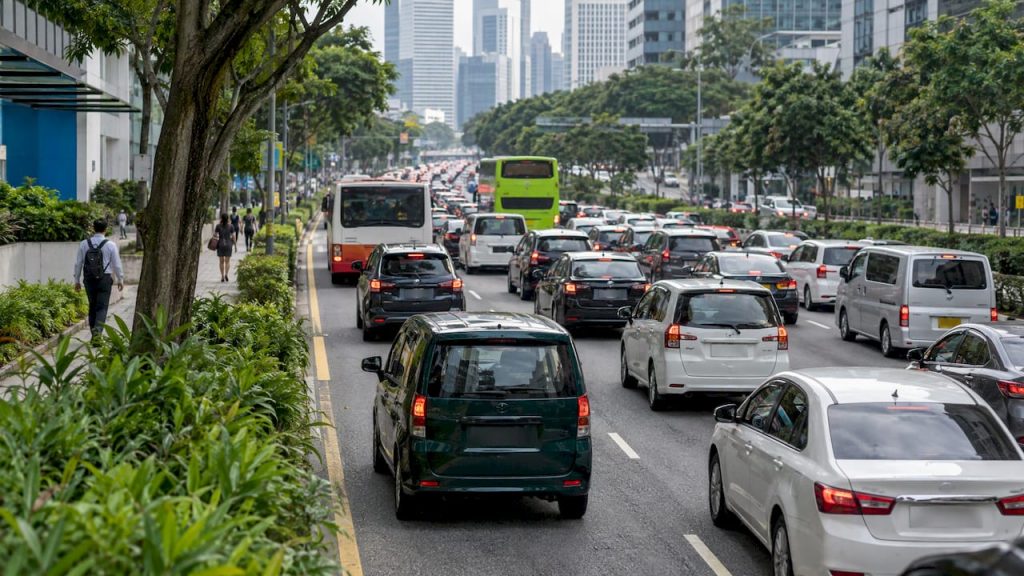
For anyone travelling by road, whether in a taxi, a private car or a chauffeured vehicle, the question is how many minutes peak hour adds. LTA data analysed in October and November 2026 gives a clear picture on the expressways (PantauSivik, Expressway Travel Times by Hour):
- The PIE peaks at 6pm at around 57 minutes in both directions, against roughly 37 to 41 minutes at night.
- The BKE towards Woodlands roughly doubles, from about 9 minutes at night to 18 minutes at 6pm.
- The TPE towards the PIE rises from about 12 to about 22 minutes at 8am.
The same analysis found weekend peaks lower on all 16 road-direction combinations it tracked, about 20% shorter on average than the busiest weekday hour.
The lesson is that peak hour does not just slow the journey, it makes the journey time unpredictable. Whoever plans the trip needs a buffer, and the buffer should be sized to the most important appointment, not to the average day.
Taxis at peak: the surcharges that stack up
LTA sets the peak periods and surcharges for metered taxis (LTA taxi fares):
- Weekdays: 6am to 9.29am (excluding public holidays) and 5pm to 11.59pm.
- Weekends and public holidays: 10am to 1.59pm and 5pm to 11.59pm.
- Peak surcharge: 25% of the metered fare.
- Late-night surcharge: 50% from midnight to 5.59am.
- Changi Airport location surcharge: S$8 from 5pm to before midnight, and S$6 at other times.
A short worked example shows why this matters for a family. A S$40 metered fare in the evening peak becomes S$50 with the 25% surcharge, before any airport charge or booking fee. Ride-hailing apps price demand dynamically, and when many people want a car at once, in rain or at the end of the working day, both the price and the wait can rise. Neither gives you a guaranteed vehicle size: a family of five with bags needs a minivan, and finding one on the spot at 6pm is the hard part.
Weekends: a different kind of peak
Many visitors assume the weekend is the quiet option. It is quieter in some places and busier in others. One analysis of LTA tap-in data for July to September 2026 found that no single weekend hour carries more than 8% of daily MRT traffic, with flow building from mid-morning and staying high until about 9pm, and the busiest hour at 5pm to 6pm (Ideal Connection analysis). Location changes the picture sharply:
- Shopping and leisure stations get busier. Orchard was the busiest weekend station in that data, and Stadium rose by about 155%.
- Office districts empty out. Raffles Place fell by about 72% and one-north by about 79%.
So a Saturday afternoon on Orchard Road is a peak of its own, with crowds at the station, the pavements and the pick-up kerbs. If your group is shopping, the logistics are worth planning in advance, and our guide to shopping group transport in Singapore covers how to choose a vehicle for it.
How much extra time to allow
There is no official rule, but the data above supports a simple approach: take your off-peak journey time and plan for the road to be around 1.5 times as long in the 8am and 6pm windows. The PIE example (about 57 minutes at 6pm versus 37 to 41 at night) is a ratio of roughly 1.4 to 1.5. Then add the fixed items that do not shrink at peak.
For a departing flight:
- Work back from the check-in recommendation of your airline.
- Add the peak road buffer for your route to Changi.
- Add time to load luggage and for everyone to be ready at the kerb.
For an arriving flight:
- Allow for immigration and baggage reclaim, which vary with the number of flights landing together.
- Add the peak road buffer to your hotel or office.
- If the arrival falls in the evening peak, expect the longest queue at the taxi stand and the longest ride after it.
Buffers matter even on rail. Singapore’s network is dependable but not free of disruption, so anyone with a flight or a meeting fixed in time should keep spare minutes and a road-based plan B (Erudite Travel).
Who feels peak hour most, and what suits each
Tourists and families
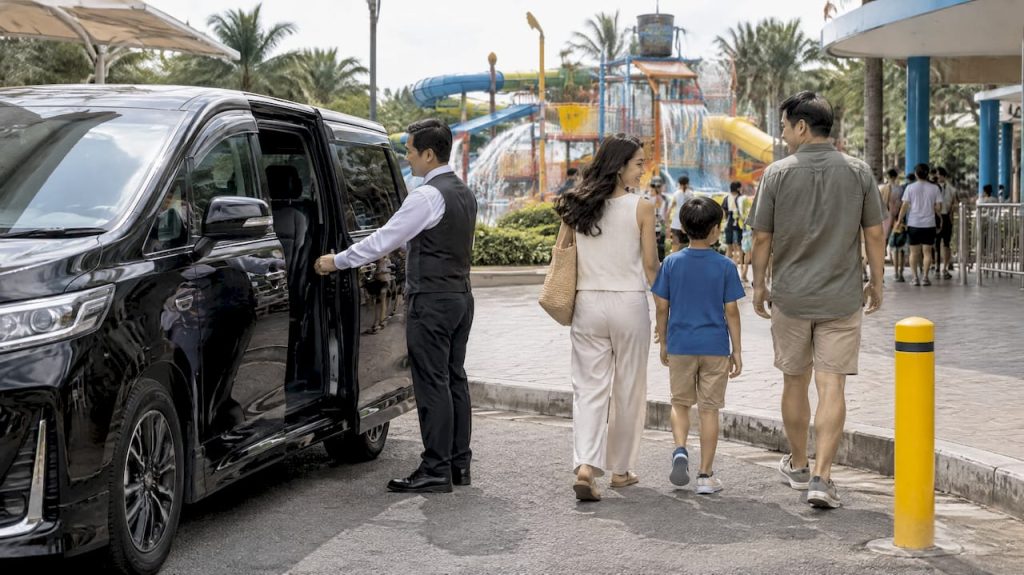
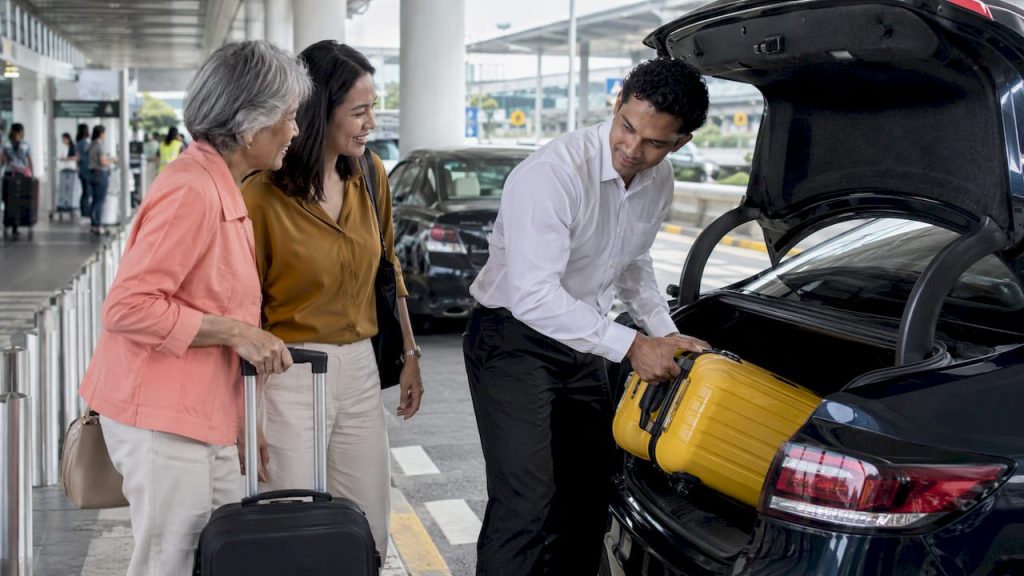
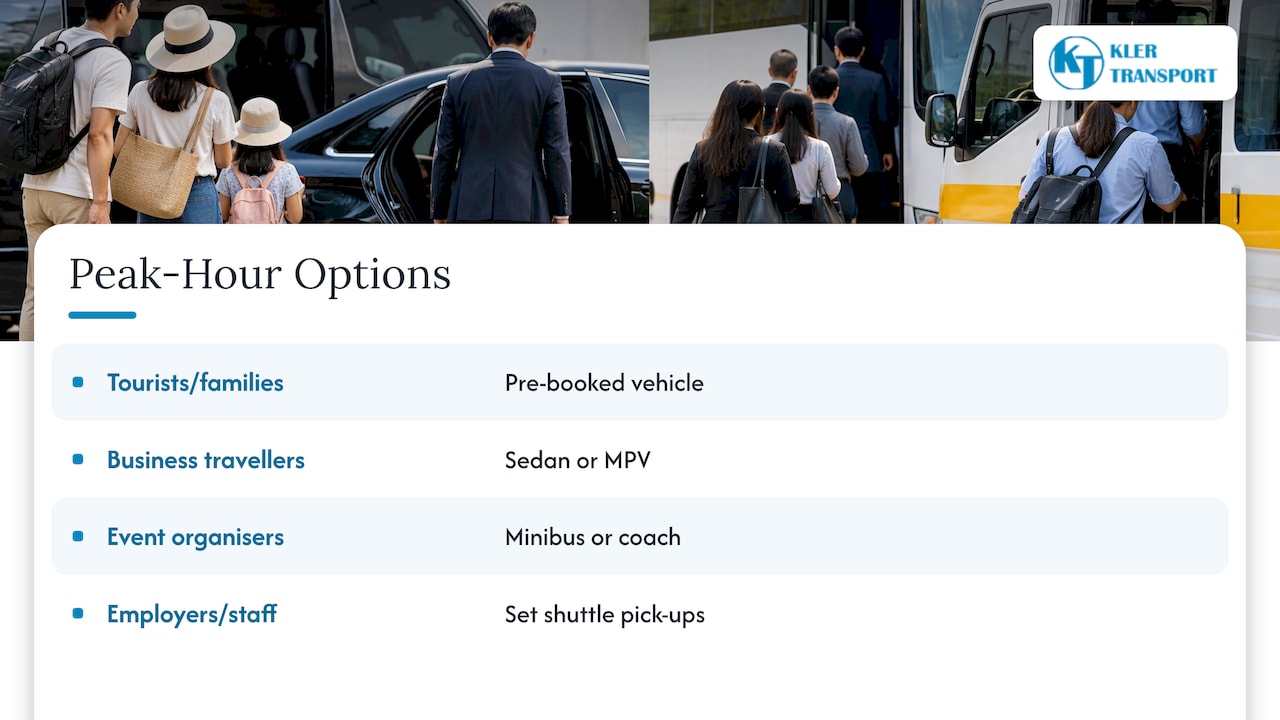
Travelling with children, strollers and cases at 8am or 6pm is the hardest version of the Singapore commute. A pre-booked private vehicle means one pick-up point, one vehicle for the whole family and a driver who handles the luggage. Our drivers are experienced and English-speaking, and our airport service includes meet-and-greet and luggage handling. For larger parties, see our group airport transfer guide.
Business travellers
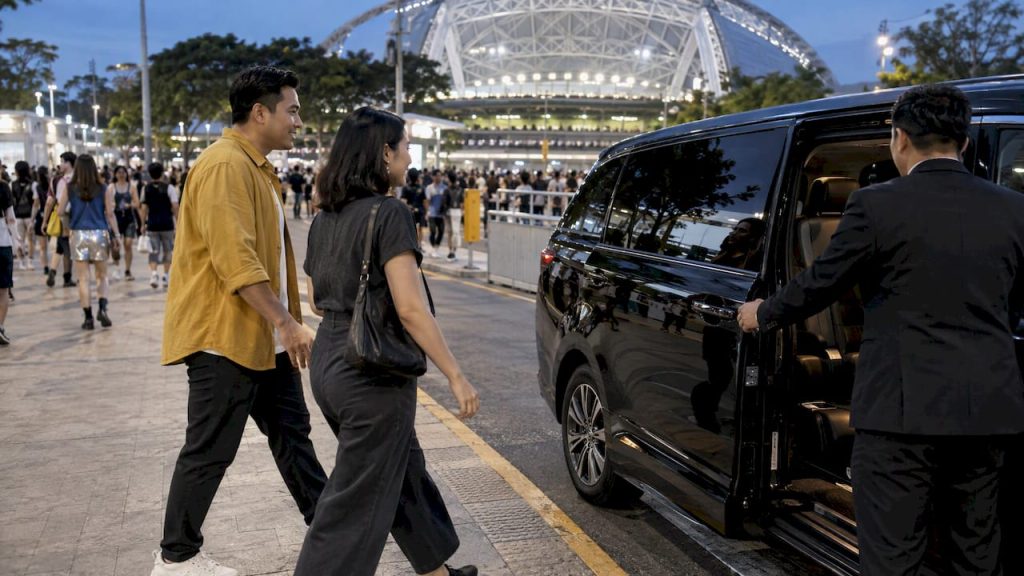
A 9am meeting in the CBD sits squarely in the morning peak. Pre-booking a chauffeured sedan or MPV from the hotel or Changi turns the commute into a fixed time and a fixed pick-up. Our business and corporate transport covers personal and corporate transfers, and hourly bookings suit a day of back-to-back meetings across town.
Event organisers
Guests arriving together create their own peak at the venue. Minibuses and coaches let you move a whole group in one wave rather than dozens of separate taxis. Our guides on conference shuttle planning and coach charter in Singapore go through the details.
Employers and staff
For daily commutes, peak hour is a fixed cost in lost time. Staff and worker transport spreads arrivals across set pick-ups. Read our guides to employee commute solutions and staff shuttle planning, and the cost guide for employee shuttles for budgeting.
Booking a chauffeured transfer for peak travel
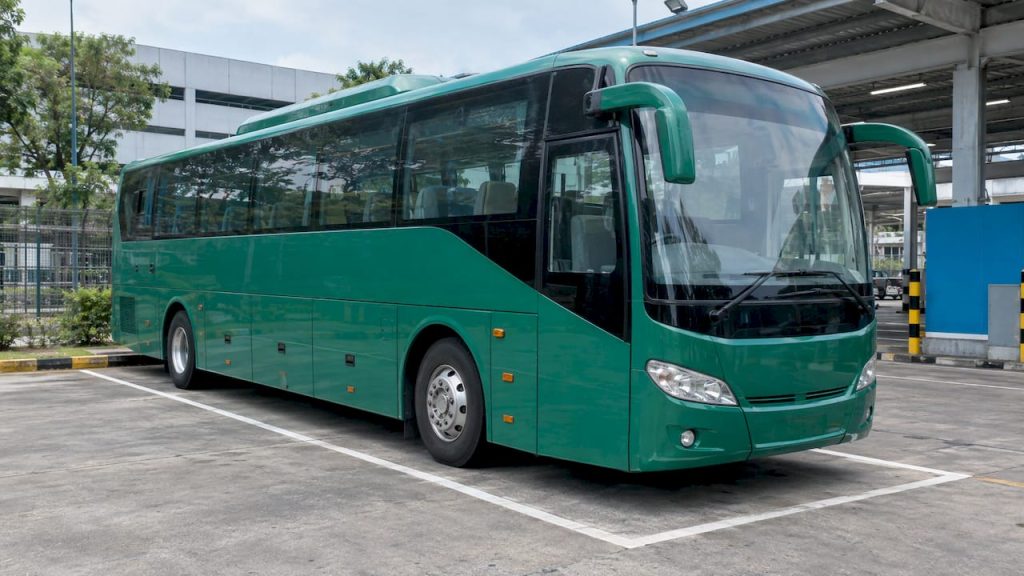
Our fleet runs from luxury sedans and MPVs to minibuses and coaches, so the vehicle is chosen by group size rather than by what happens to be free. Rates are set per trip, per hour or per charter, based on the vehicle, the group size and the service. The published ranges on our rates page are:
| Service | Published rate |
|---|---|
| Airport arrival | S$65 to S$140 per trip |
| Airport departure | S$60 to S$130 per trip |
| Point-to-point transfers | S$60 to S$130 per trip |
| Hourly booking | S$50 to S$100 per hour |
| Midnight charge | S$10 to S$20 |
For a full day, a charter vehicle is S$450 per day on our Malaysia rates page. Compare that with a peak-hour taxi: once a 25% surcharge and the airport charge are added to a long metered fare, a fixed per-trip rate for the right vehicle size is easier to plan around. That is also true of the Changi ferry and Tanah Merah routes, which we cover on our ferry terminal transfers page, and of cross-border runs to Johor and Malacca.
If you are arriving or departing at Changi, our airport transfer service is available around the clock. To fix a time and vehicle, use the booking form.
Practical rules for travelling at peak
- Book the vehicle before the day, especially for departures between 5pm and 8pm on weekdays.
- Leave before the peak, not inside it. Leaving the hotel at 7am instead of 8am can take a significant slice off a CBD run, given the 8am to 9am road measurement window.
- Choose the pick-up carefully. Orchard, Marina Bay and the CBD kerbs are the hardest to reach at peak; agree the exact point beforehand.
- Allow for weekends too. Leisure areas peak on Saturday afternoons and Sunday evenings.
- Tell your driver your flight number so timing can be matched to the actual landing.
FAQ
What are the peak hours for Singapore public transport?
On weekdays, MRT trains run every 2 to 3 minutes at the 7am to 9am peak, and the evening peak is commonly taken to be around 5pm to 7pm or later. Roads are measured at 8am to 9am and 6pm to 7pm. Check the live crowding information of the operators for your exact station.
What time is peak hour for taxis and ride-hailing?
For metered taxis, LTA’s peak periods are 6am to 9.29am and 5pm to 11.59pm on weekdays, with a 25% surcharge. Ride-hailing apps set prices by demand rather than by clock, so fares rise when many people book at once, such as at the end of the working day or in the rain.
Is the weekend quieter than a weekday?
The network overall is about 21% quieter at weekends, but not everywhere. Shopping and leisure areas such as Orchard are busier on Saturdays, while office districts like Raffles Place are far quieter.
How early should I leave for Changi at peak hour?
Take the normal off-peak journey time and plan for roughly 1.5 times as long on the road between 8am and 9am or 6pm and 7pm, then add check-in time. A pre-booked transfer with a driver waiting removes the need to find a vehicle at the busiest moment.
Sources
- LTA, Rail Network
- LTA, Options to Travel Smarter
- LTA, Taxi Fares and Payment Methods
- data.gov.sg, Average Speed During Peak Hours
- Public Transport Council, Morning pre-peak fares
- PantauSivik, Expressway Travel Times by Hour
- PantauSivik, A Normal School Week in Singapore
- Ideal Connection, Busiest MRT Stations in Singapore
- Erudite Travel, Transportation Systems in Singapore