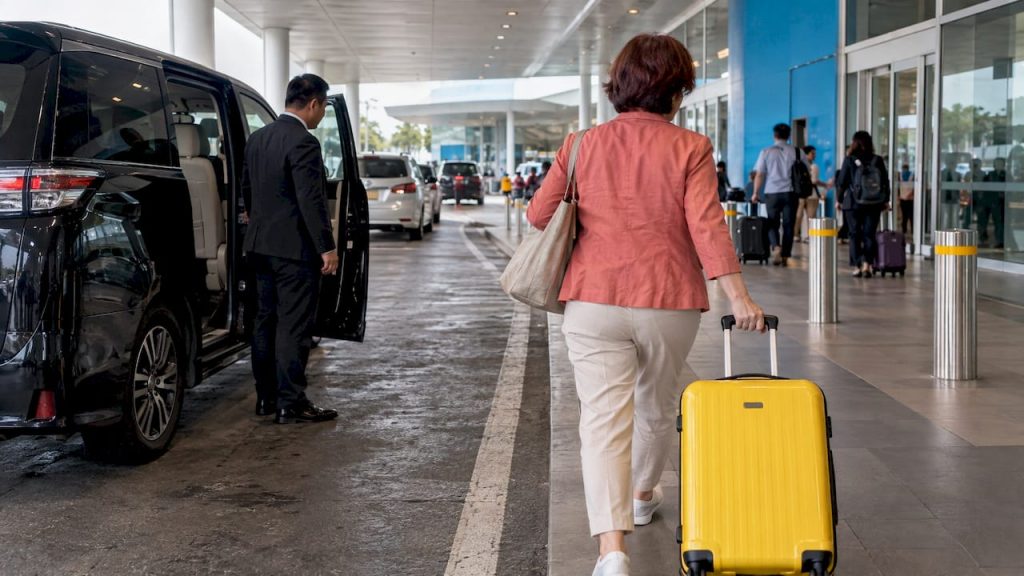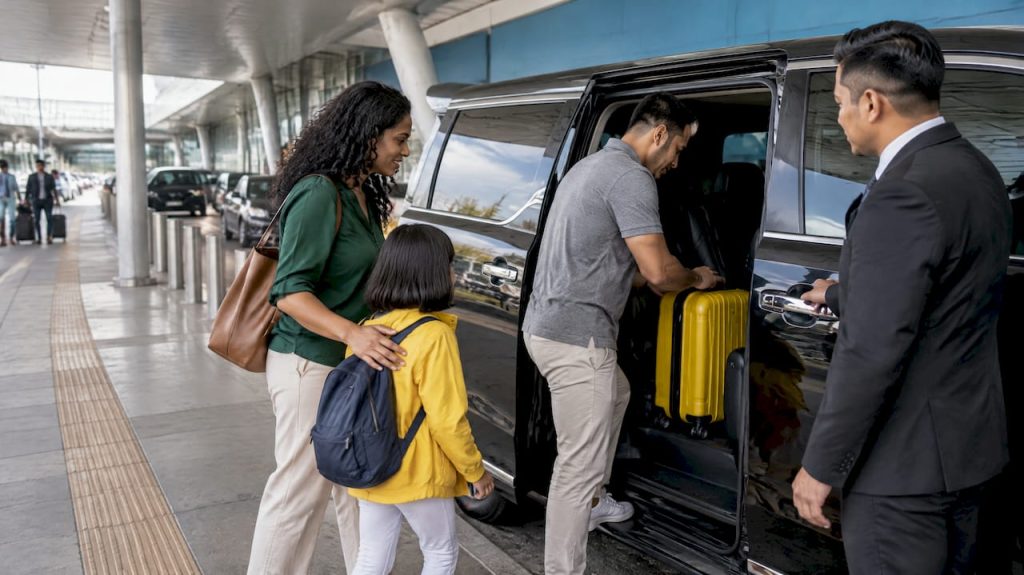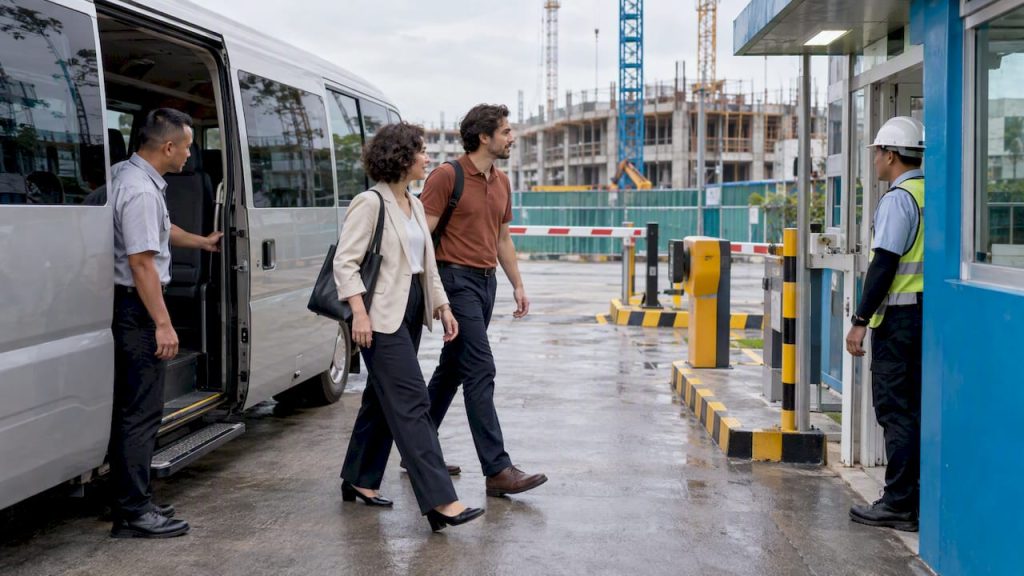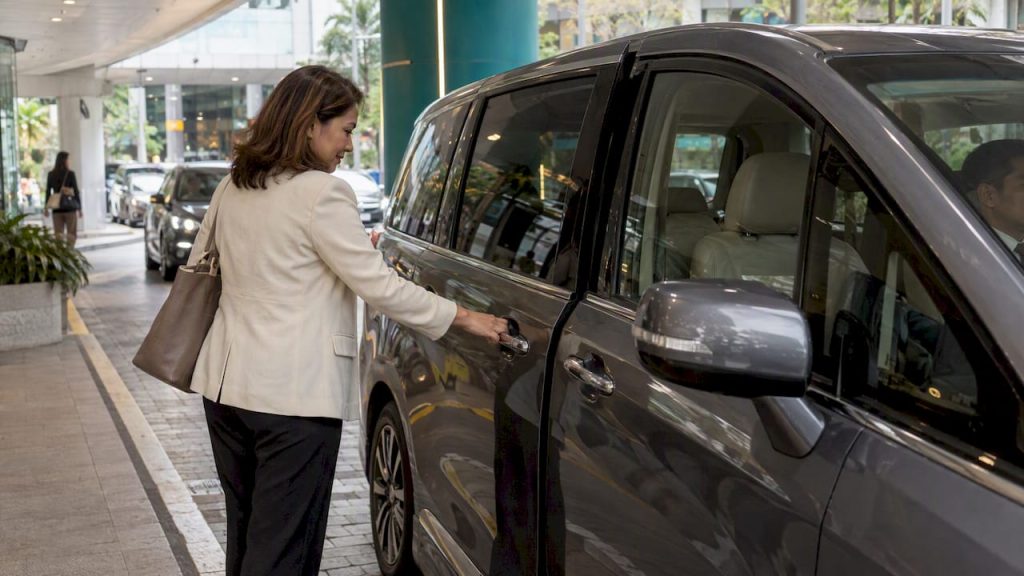
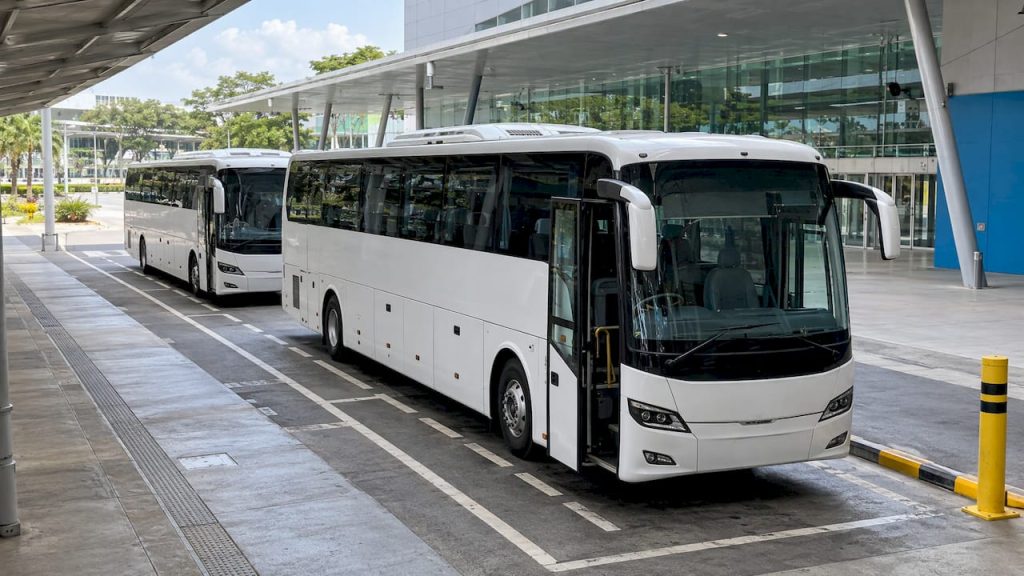
A good conference shuttle plan comes down to five decisions: how many delegates move at the same time, which vehicles carry them, which loop or point-to-point routes they run, when each run leaves, and who tells delegates when something changes. Get those right and the rest is booking and briefing. This guide walks through each one for Singapore, with a worked example you can adapt to your own delegate list.
TL;DR
- Size the fleet by the peak wave, the busiest 30 to 60 minutes, and not by total delegate numbers.
- Time one full loop on the day of week and hour you will actually run it, then divide by the interval you want between departures.
- Build one movement schedule around the fixed points: flight arrivals, hotel check-in, registration opening, session starts and departures.
- Book early for large groups, and send the operator a manifest with names, flights, hotels, luggage and accessibility needs.
- Check venue drop-off rules and vehicle rules before you confirm, and agree a delay message plan in advance.
Table of Contents
- Start with who moves, and when
- How to estimate the number of vehicles
- Choosing vehicles for your group size and luggage
- Designing routes, stops and loops
- One movement schedule for the whole event
- When to book and what to send the operator
- Contingency and communication
- How we can support your conference
- FAQ
- Sources
Start with who moves, and when
Total delegates is the wrong number to plan from. A 600-person conference rarely moves 600 people at once. What matters is how many people need a seat in the same short window.
Build a simple table before you talk to any operator. List every movement type and how many people it involves:
| Movement | Typical peak window | What to capture |
|---|---|---|
| Airport arrivals to hotels | The day before and morning of day one | Flight numbers, landing times, terminal, bags per person |
| Hotel to venue | 45 to 60 minutes before registration or first session | Hotel names, guests per hotel |
| Venue to hotel | Within 30 minutes of the last session | Which hotels, how many people |
| Evening events and dinners | Start and end of the event | Venue, finish time, late-night needs |
| Hotels to airport | Early morning on departure day | Flight times, check-out times |
Most organisers find that the morning hotel-to-venue run and the end-of-day return are the real peaks. Airport movements are spread across flight times, so they need smaller, more frequent vehicles rather than one large wave.
If you already hold a registration list, sort it by hotel and by arrival flight. Two columns of data will tell you more than any rule of thumb. Our own guide to conference delegate transport in Singapore covers the split between shuttles for crowds and cars for VIPs in more detail.
How to estimate the number of vehicles
The sizing logic is the same whatever the vehicle. You need three numbers:
- Peak wave: the number of people who must leave a pick-up point within your target window.
- Seats per vehicle: the usable seats, not the headline figure, after allowing for luggage and any reserved seats.
- Round-trip time: the time from leaving the first stop to being ready to load again.
Then the arithmetic is straightforward. Vehicles needed = peak wave ÷ (seats per vehicle × trips each vehicle can make in the window).
A worked example
This is an illustration with made-up figures, not a quote. Say 240 delegates stay at three hotels and all need to reach the venue in the 45 minutes before registration closes.
- Hotel A has 120 delegates, hotel B has 80, hotel C has 40.
- You plan on 45-seat coaches for hotel A and minibuses for the smaller hotels.
- A coach takes about 20 minutes each way, so 40 minutes round trip. In a 45-minute window, each coach can make one full trip and, with a staggered start, possibly a second short one.
On one trip per vehicle, hotel A needs three coaches. Hotels B and C could share a loop. The point is the method: take the peak, divide by seats, then test it against the clock. If the maths needs every vehicle to arrive on time with no slack, add one.
A useful rule is to plan for a margin of one spare vehicle at each major pick-up point on the busiest run, and to treat a full load as around 85 to 90 per cent of seats, because delegates arrive in clusters and rarely fill every row.
Measure the loop time properly
Do not take loop time from a map app at midnight. Check the route at the same hour and day you will operate it, and include loading time at each stop. Singapore’s expressways can move fast in the early morning and slow sharply as offices open, so a 15-minute journey at 6am may take noticeably longer at 8.30am. Ask your operator to confirm the timing from their dispatch experience, and add loading time of several minutes per stop.
Choosing vehicles for your group size and luggage
No single vehicle suits every movement. A mixed fleet usually works best:
| Need | Vehicle type | Why it fits |
|---|---|---|
| Speakers, VIPs, executives | Chauffeured sedans | Door-to-door, flexible timing, quiet for calls |
| Small teams of delegates with luggage | MPVs and chauffeured minivans | Space for bags, quick to load and dispatch |
| Mid-sized groups from one hotel | Minibuses | Fewer vehicles at a kerb, one driver per group |
| Large peak waves | Coaches | Moves the most people per vehicle, cuts congestion at the venue |
We run sedans, MPVs, minibuses and coaches, so one operator can cover all four rows of that table. For guidance on the vehicle side, see our checks for coach charter in Singapore and for compliant minibus charters.
Luggage changes the count
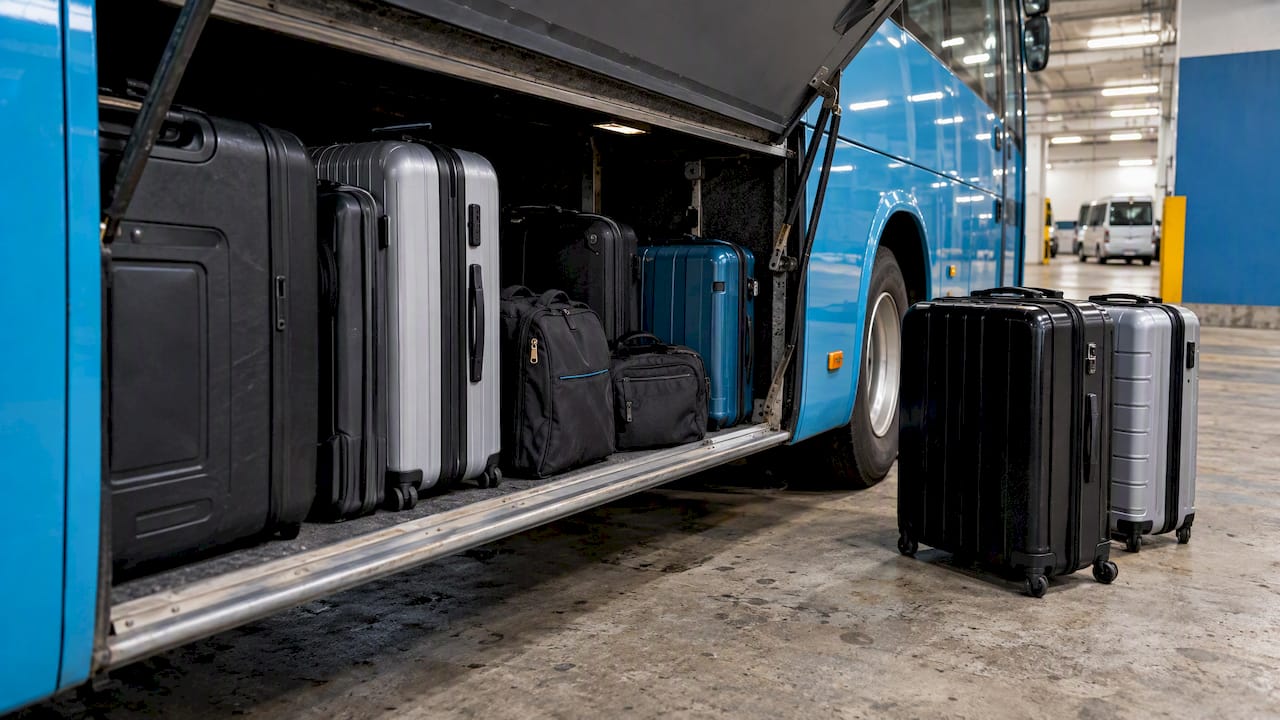
Seat count is only half the story. Airport runs with delegates carrying suitcases need boot or hold space. If every delegate has a large case plus a laptop bag, a vehicle that is comfortable for 10 people on a hotel loop may only carry six or seven from the airport. Ask the operator for seats at full luggage load, and put the bags-per-person figure in your manifest.
Vehicle rules worth knowing
The Land Transport Authority sets technical rules for buses. Two are useful when you are comparing quotes. Buses over 8,000kg maximum laden weight registered from 1 October 2015 must have mirrors or camera devices covering the left and front blind spots, and certain bus types, including Excursion and Private Hire buses, may carry standing passengers only if they meet requirements such as sufficient handrails. Both points are set out on the LTA bus page. In practice, you do not inspect the vehicle yourself. You ask the operator to confirm that their coaches and minibuses are compliant, and you do not plan standing passengers into a schedule unless the operator confirms the vehicle is allowed to carry them.
Designing routes, stops and loops
For most conferences, one of three patterns fits.
Point-to-point. One hotel, one venue. Vehicles shuttle back and forth on demand or at fixed times. Simple, and best when most delegates stay in the same place.
Hub loop. Delegates are spread across several hotels. A vehicle runs a circuit: hotel A, hotel B, hotel C, venue, and back. Keep loops short. Each extra stop adds loading time and makes the last hotel wait longer.
Hub and spoke. Delegates gather at one or two main hotels, and a smaller vehicle feeds them in from the others. This suits events with a few large hotels and several small ones.
A few rules make loops work:
- Group delegates by hotel when you block-book rooms. Fewer hotels means fewer stops.
- Give each hotel a fixed pick-up point and a named marshal or sign, so drivers are not waiting for guests who are in the lobby café.
- Put the busiest hotel first on the morning loop and last on the evening loop so its larger group is not left waiting.
- Never run a loop longer than you can explain on a card. If delegates need a map to understand it, simplify it.
If you have run group transport for other formats, the same thinking applies. A piece on group golf transport options shows how route timing and passenger volumes shape the choice of vehicle, and the same trade-offs appear when you move delegates between hotels and a venue.
Venue access and drop-off rules
Before you fix a drop-off point, ask the venue where coaches may stop. Rules differ. At Marina Barrage, for example, PUB requires chartered buses to use the designated drop-off point rather than the car park, and it advises group activity organisers to write at least 14 working days ahead to check public-space availability, as the PUB visitor etiquette page explains. Conference centres and hotels have their own loading bays and height limits, so ask for the bay location, the maximum vehicle size and any access passes.
If your event also involves a closed road, a public space or a large crowd, permits can add weeks. Our piece on event shuttle planning and permit delays explains how to avoid being caught by that lead time.
One movement schedule for the whole event
The most common mistake is to plan airport transfers, hotel shuttles and session timings as separate jobs. Delegates experience them as one journey. Build one schedule, in one document, anchored on the fixed points:
- Flight arrivals. Group by landing time. Plan for the time it takes to clear immigration and collect bags, and do not send a vehicle to leave at the scheduled landing minute.
- Hotel check-in. Standard check-in times may be later than morning arrivals. Agree early check-in or luggage storage with the hotel so delegates are not dropped at a lobby with nowhere to go.
- Registration opening. Work backwards. If registration opens at 8am and you want the first delegates there at 7.45am, the first loop leaves the hotels at about 7.15am.
- Session starts. Run the last loop 15 to 20 minutes before the session. Late delegates then miss the shuttle, not the opening keynote.
- Session ends. Stagger the return. If 400 people leave at the same moment, you need a big fleet for half an hour. If you release breakout rooms in two waves, you need less.
- Departures. Group by flight time and plan to arrive at the airport well ahead of check-in closing. Your airline’s own guidance sets the time.
Once the plan is on one page, share it with the venue, the hotels, the operator and your own registration desk. Everyone should read the same times.
For the airport side, our group airport transfer guide explains how to shortlist and book, and our airport transfer service page covers pick-ups at Changi.
When to book and what to send the operator
Book as soon as your dates, venue and hotels are firm. For a large delegation, start the conversation well before you open registration, because fleet availability tightens around big events and public holidays. Smaller groups can move more quickly, but earlier is almost always better and gives you time to fix problems. We cover lead times for another type of event in our guide to sports event transport.
When you contact an operator, send:
- Event name, dates and venue address
- Hotel names and the number of delegates at each
- A draft movement schedule with the peak waves marked
- Flight numbers and landing times, where you have them
- Luggage expectations, such as one large case per person
- Any accessibility needs, such as wheelchair users or delegates who need step-free boarding
- A named contact on the day and a back-up, with mobile numbers
- Any late-night runs
Late-night runs may add a fee. Our published rates list midnight charges of S$10 to S$20, shown on our rates page, so flag any after-hours finish early.
What it can cost
Our rates depend on the vehicle, the group size and the service. The published ranges on our rates page are S$65 to S$140 for an airport arrival, S$60 to S$130 for an airport departure or a transfer, and S$50 to S$100 per hour for hourly bookings. A full-day charter vehicle for Malaysia trips is S$450 per day, listed on our Malaysia rates page. Coach and minibus quotes for conference loops depend on the schedule, so send your draft plan and ask for a quote on that basis.
Contingency and communication
Things go wrong at every conference. A flight is delayed, a session overruns, a hotel is double-booked, a vehicle is late. The plan should say in advance who does what.
Agree a single point of contact. One person at your end and one dispatcher at the operator’s end, both reachable on the day. Delegates should never need to chase three numbers.
Brief drivers. Each driver should know the schedule, the hotel names, the drop-off point and the contact number. Drivers who speak English and know the venue save a lot of time. Our drivers are experienced and English-speaking.
Monitor flights. Ask the operator to track flight arrival times so pick-ups follow the actual landing time, not the original one. Give them the flight numbers in the manifest.
Set a delay rule. For example: if a flight is more than an hour late, the delegate is moved to the next scheduled run. If an overrun pushes the end of a session back, the dispatcher holds the next departure by up to 15 minutes and then leaves.
Keep a reserve. One vehicle on standby during the main peaks costs less than a stranded busload.
Tell delegates before they ask. Put the shuttle schedule, pick-up points and a contact number in the joining instructions, on a card in the room, on signs at the pick-up point and in the conference app. When something changes, send one message by the channel delegates already use, with the new time and the pick-up point. A short, clear update beats a long apology.
Meet and greet. A named sign and a person at the arrivals hall removes confusion at the busiest moment of the trip.
How we can support your conference
We run chauffeured transport in Singapore for airport arrivals and departures, corporate events, hourly charters and group transfers, with sedans, MPVs, minibuses and coaches. For conferences, we can take your draft movement schedule and manifest and propose a fleet mix, from VIP sedans for speakers to larger vehicles for peak waves. Our drivers handle luggage and meet delegates on arrival.
To discuss a conference plan, see our business and corporate transport and event transfers pages, or send your schedule through the booking reservation form for a quote.
FAQ
How many shuttles do I need for a conference in Singapore?
Plan from the peak wave, not the total number of delegates. Divide the number of people who must move in your busiest window by the usable seats per vehicle and the trips each can make in that time. Then add one spare vehicle at the main pick-up point.
How far ahead should I book conference transport?
Book as soon as your venue, hotels and dates are confirmed, and well before registration opens for large delegations. Earlier booking gives you more choice of vehicles and time to refine the schedule. Check permit or venue access lead times at the same moment.
Should delegates use shuttles or private cars?
Use both, matched to the movement. Shuttles and coaches suit predictable peaks between hotels and the venue. Chauffeured sedans suit speakers, VIPs and anyone with a tight schedule or heavy luggage.
What should I tell delegates about the shuttle?
Give them the pick-up point at their hotel, the times of each run, the drop-off point at the venue and a contact number. Put it in the joining instructions and repeat it on signs and in the conference app.
Sources
- LTA: Bus (OneMotoring)
- PUB: Marina Barrage public space etiquette
- Group golf transport options on the Costa del Sol