
Book an LTA-compliant private-hire or charter operator, and do it around your headcount and venue rules, not the other way round. Before signing anything, confirm passenger numbers, the vehicle mix that fits them, and whether your venue’s coach bay can actually handle your schedule. Then get Kler Transport, or a similarly licensed operator, on the phone early to work out permits and timing together.
TL;DR:
- Booking shuttles requires confirming passenger numbers, vehicle types, and venue bay capacity before engaging a licensed operator to ensure compliance.
- Vehicle choices depend on guest count, luggage needs, and dress code, with larger events needing coaches and VIP transfers suited for sedans or MPVs.
- LTA licensing rules distinguish between private hire, private bus, excursion, and fixed-route services, affecting permit times and documentation required.
- Venue restrictions, such as maximum coach numbers and waiting times, should dictate your shuttle timetable and marshaling plans.
- Arranging permits for public stop use or fixed-route services typically requires at least a month of lead time to avoid delays.
Table of Contents
- Event shuttle planning Singapore: the step-by-step checklist
- What vehicle types suit different Singapore events?
- What LTA rules apply to event shuttle transportation?
- How do venue rules change your shuttle schedule?
- How do you manage timing and convoy control?
- What safety and insurance checks matter most?
- What should your day-of shuttle checklist include?
- Why a managed operator lowers your risk on the day
- How Kler Transport can help with your event shuttle
- Sources
- FAQ
Event shuttle planning Singapore: the step-by-step checklist
Most shuttle failures trace back to one thing: someone booked vehicles before they knew who was actually coming. Get the sequence right and the rest of the planning falls into place.
- Lock the headcount, then pad it. Confirm attendee numbers from RSVPs or ticketing data, then add a margin for last-minute additions and no-shows that flip into walk-ins.
- Map pickup cohorts. Decide whether you need one central meeting point (simpler, cheaper) or several pickup locations across hotels or districts (better for guest convenience, harder to schedule).
- Choose the service model. Point-to-point transfers suit small VIP groups; a looped shuttle with timed returns suits conferences and weddings with staggered guest arrivals.
- Flag luggage and accessibility needs now. A wedding with overseas guests or a corporate retreat with equipment cases needs vehicles with proper boot space, decided weeks ahead, not the night before.
- Set an on-call contact and a backup plan. Every schedule needs someone who can reroute a vehicle or swap a driver without waiting for approval from three people.
Do this four to six weeks out for events under 200 guests, and closer to eight weeks for anything requiring public bus stop use or a fixed-route shuttle, given the licence processing times involved.
What vehicle types suit different Singapore events?
Vehicle choice is really a maths problem dressed up as a logistics one: guest count, luggage volume, and dress code determine the answer more than preference does.
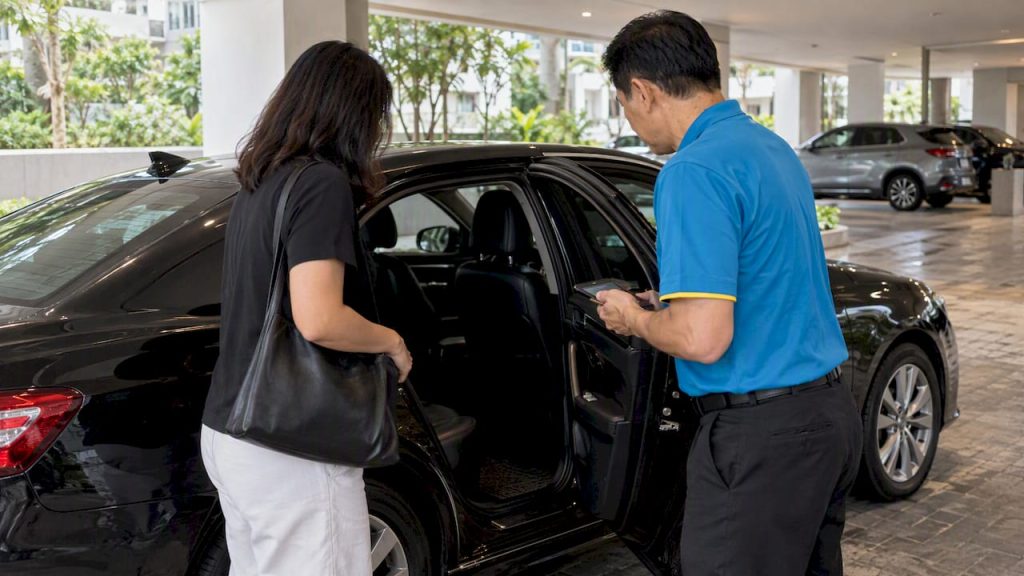
- Chauffeured sedans and MPVs work for VIP transfers, speaker pickups, and small bridal parties where comfort and discretion matter more than volume.
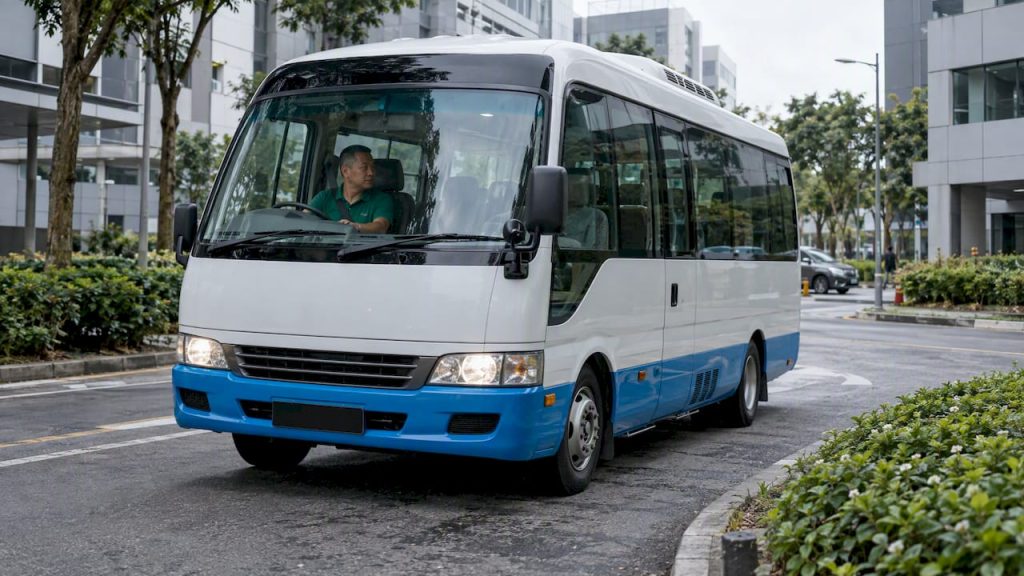
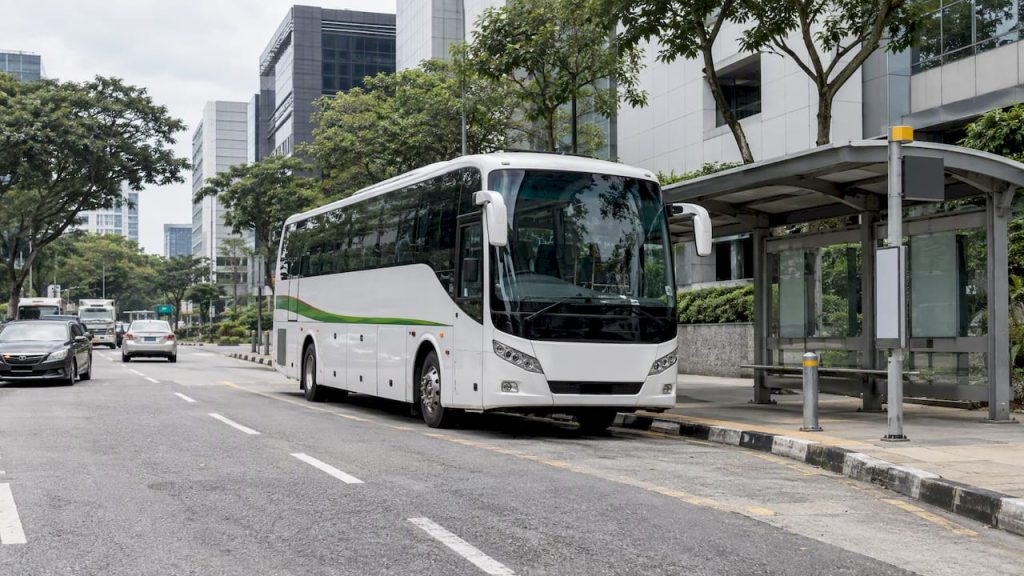
- Minibuses (12–20 seats) cover hotel-to-venue shuttles for corporate offsites and mid-sized weddings, particularly when guests are staying across two or three hotels.
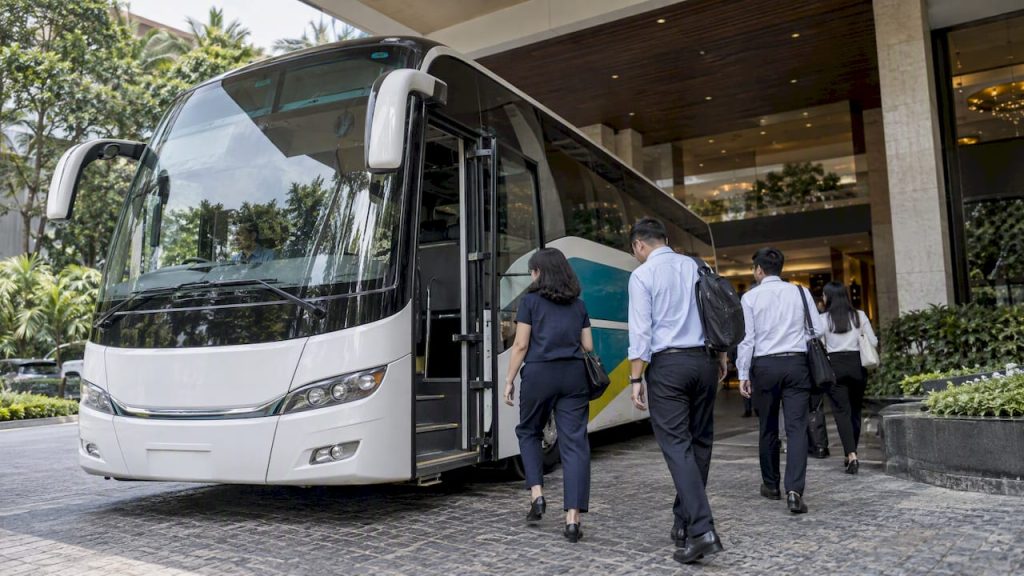
- Coaches handle large guest blocks, conference delegations, and festival crowds where headcount runs into the hundreds.
- Formal attire changes the calculation. Gowns and heels need step-in access and enough door width, not a high-clearance minibus designed for casual day trips.
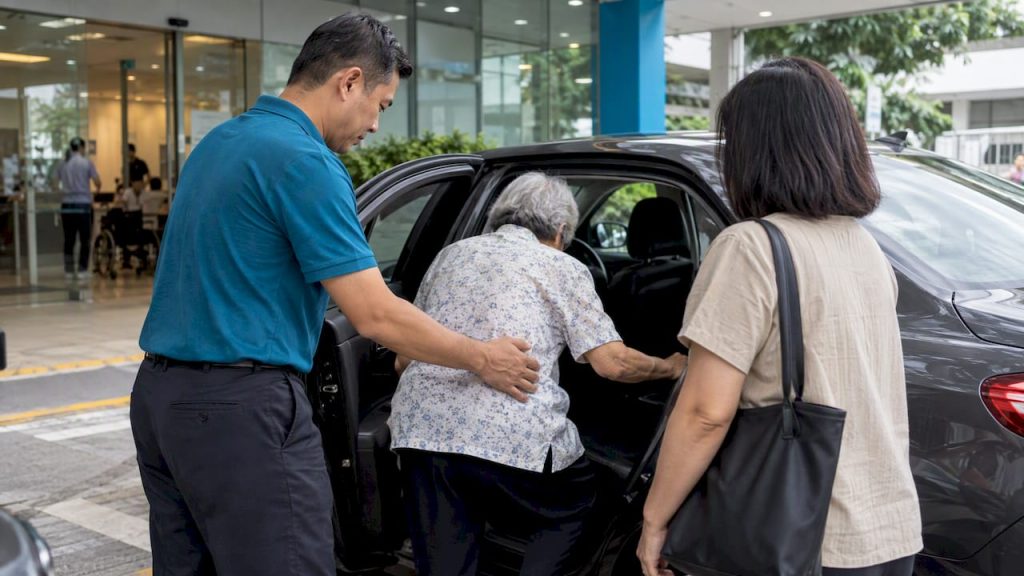
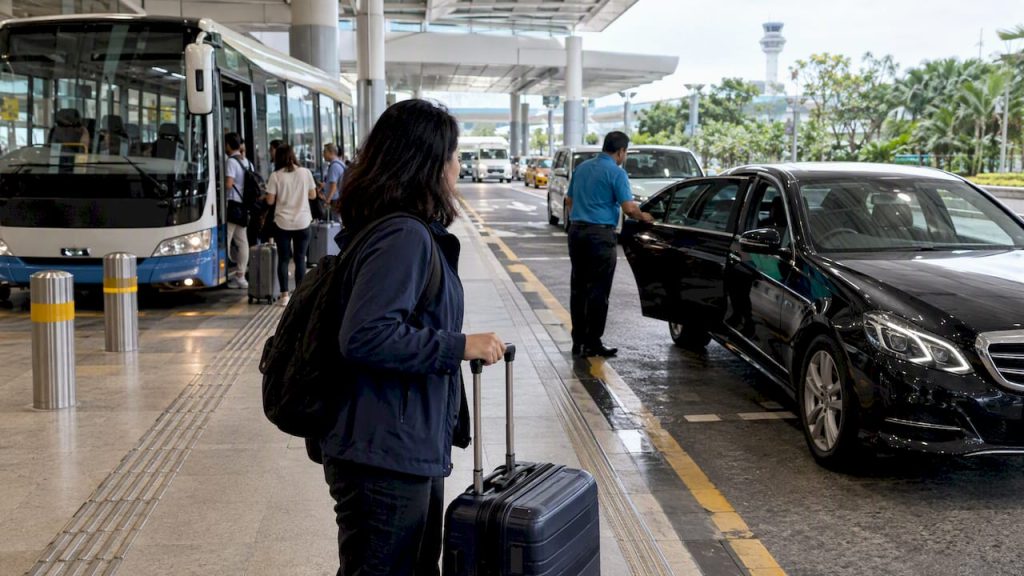
- Reserve vehicles with adequate luggage bays for airport-linked events, and ask about on-board stewarding when guests need help boarding or need directions relayed en route.
Matching vehicle to event type early avoids the awkward mid-planning scramble where a 15-seat minibus suddenly has to serve 40 wedding guests.
What LTA rules apply to event shuttle transportation?
This is where most planners get caught out, because “shuttle” is a marketing word, not a legal category. LTA distinguishes between private bus, private hire bus, excursion bus, and fare-collecting fixed-route services, and each carries different licensing and registration requirements. Private buses must be registered in Singapore, and most require a Category C or E COE.
If your event needs a fare-collecting or fixed-route shuttle, that falls under a Class 2 Bus Service Licence, and processing can take up to about one month.
Pro Tip: Ask suppliers explicitly which legal operating model they’ll use, not just whether they can “do a shuttle.” The answer determines your lead time.
Before confirming any operator, check the following:
- Ask whether the service is private hire, private bus, excursion bus, or a licensed fixed-route service.
- If your plan needs public bus stops for pickup or drop-off, know that this requires LTA approval, and the operator, not the organiser, should submit that application.
- Build in at least one month of lead time when public-stop use or fixed-route services are involved.
- Request written confirmation of the operator’s licences or registration before signing a contract.
30 working days. That’s how long a Class 2 Bus Service Licence application can take to process, which is exactly why “we’ll sort the permits later” is not a plan.
How do venue rules change your shuttle schedule?
Venue constraints often matter more than travel time. A shuttle that takes 12 minutes to arrive is useless if the venue only allows two coaches at the driveway at once.

Suntec Singapore, for example, permits a maximum of two coaches at its main convention driveway simultaneously, with a five-minute maximum waiting period. That single rule can dictate your entire arrival sequence for a large conference.
Before finalising your shuttle plan, ask the venue:
- What are the coach bay limits, and is there an alternative holding area for overflow vehicles?
- Are there height or turning restrictions that rule out certain coach types?
- What waiting time is actually enforced, and what happens if a vehicle overruns it?
Share your multi-coach schedule with the venue contact well ahead of the event, and design your marshalling so passengers are ready to board the moment a vehicle pulls in. Venue rules should shape your boarding process first; vehicle arrival times get scheduled around that, not the reverse.
How do you manage timing and convoy control?
Traffic in Singapore is generally predictable, but boarding delays are the real enemy of a tight shuttle schedule. Build buffers around people, not just roads.
- Add per-pickup buffers. Allow a few extra minutes at every stop for stragglers, wrong-turn confusion, or a guest who needed one more photo.
- Stagger release times. Assign a fixed vehicle order so coaches don’t arrive in a cluster and stack up at a restricted bay, a problem Suntec’s own coach guidance flags directly.
- Pre-book return windows. Departures are usually harder to manage than arrivals, since guests leave in uneven waves rather than on a schedule. A secondary meeting point absorbs the overflow when one exit point gets swamped.
For any event landing in a week with major road closures, such as during the F1 Singapore Grand Prix period, check LTA’s event notices before locking your route.
What safety and insurance checks matter most?
A cheap quote with no paperwork behind it is not actually cheap once something goes wrong. Verify these before you sign:
- Vehicle registration, roadworthiness, and periodic inspection records, particularly for coaches and minibuses in regular service.
- Wheelchair access options and appropriate seating for guests with reduced mobility, confirmed in writing, not assumed.
- Passenger liability insurance coverage and a named emergency contact plan the operator can activate immediately.
Any operator unwilling to put these details in writing is telling you something about how they’ll handle a real problem on event day.
What should your day-of shuttle checklist include?
Event day comes down to communication and visible order. Attendees who know exactly where to stand cause far fewer delays than ones guessing.
- Send reminders 24 hours and 2 hours before departure, including vehicle ID, a meeting point map, ETA windows, and the driver’s direct contact.
- Use clear signage and marshal roles. A visibly labelled vehicle and a marshal holding a sign cuts boarding confusion dramatically at busy pickup points.
- Keep a real-time escalation path open. One phone line, one decision-maker, and an on-call replacement vehicle ready if something breaks down mid-event.
Pro Tip: Run a 15-minute pre-event check with drivers and marshals to confirm the vehicle order and communicate any last-minute route changes before guests arrive.
Why a managed operator lowers your risk on the day

Handling shuttle logistics in-house means juggling LTA licence categories, venue rules, and driver coordination simultaneously, and most organisers only discover the gaps under pressure. A managed operator absorbs that administrative load and manages the licence conversations directly with LTA.
The most common mistake I see is treating venue rules as a footnote instead of the starting point, and underestimating how long licence approvals genuinely take. Get those two things wrong and no amount of driver skill fixes it on the day.
— Gurdip
How Kler Transport can help with your event shuttle
A managed transport operator can provide direct access to sorted transport for corporate events, weddings, and large gatherings, simplifying the booking process compared to chasing multiple quotes. Such operators typically offer a fleet covering sedans and MPVs for VIP transfers through to minibuses and coaches for full guest blocks, allowing you to work with one knowledgeable operator familiar with licensing requirements.
When you request a quote, be specific about vehicle mix, guest count, and whether your venue has bay restrictions like Suntec’s two-coach limit, so the operator can plan permits and timing properly rather than guessing after the fact. If your event needs a fixed-route shuttle or public bus stop use, raise it early. That licence conversation takes time, and a supplier who flags it upfront saves you a scramble later.
Check current rates for transfers, hourly bookings, and charters to see what shape of pricing fits your event, or browse the full range of services if you’re still working out what your event actually needs. For events with a Malaysia leg, such as a wedding party heading to Johor, charter rates to Malaysia are worth checking too. Get in touch with your headcount and venue details, and work out the vehicle mix and timing together before you commit to a date.
Sources
FAQ
How far ahead should I book event shuttles in Singapore?
Book four to six weeks ahead for standard transfers, and closer to eight weeks if your event needs public bus stop use or a fixed-route service, since a Class 2 Bus Service Licence can take up to 30 working days to process. Vehicle availability during peak wedding or conference seasons also tightens fast, so earlier is always safer.
What’s the difference between a private hire bus and a fixed-route shuttle?
A private hire bus or excursion bus serves a specific group under a hire agreement, while a fixed-route or fare-collecting shuttle needs a Class 2 Bus Service Licence and separate approval to use public bus stops. Ask your operator which model applies before you finalise the plan.
How much does event shuttle transport cost in Singapore?
Costs vary by vehicle type and trip length rather than a single flat rate. Kler Transport’s published rates list transfers from SGD 60 to 130, hourly bookings from SGD 50 to 100 per hour, and charter vehicles at SGD 450 per day, with current pricing confirmed at the point of quote.
What happens if my venue limits coach access?
Venues like Suntec allow a maximum of two coaches at the main driveway with a five-minute waiting limit, so you need a staggered arrival schedule and a marshal managing vehicle order. Share your multi-coach timetable with the venue contact in advance to avoid stacking at the bay.
Do I need LTA approval to use public bus stops for my shuttle?
Yes, using public bus stops for pickup or drop-off requires LTA approval, and the operator should submit that application on your behalf. Always request written confirmation that this approval is in place before the event date.