If you need an escorted, subsidised trip to a clinic, look at Medical Escort and Transport (MET), which eligible Singapore Citizens and PRs can use with subsidies of up to 80%. For clinical monitoring during a stable transfer, book an MOH-regulated Medical Transport Service (MTS). Wheelchair-accessible shuttles suit mobility-aid users, and a private chauffeured transfer suits caregivers who want flexibility.
TL;DR:
- As of January 2026, the 50th percentile MTS transfer fee was S$175 during office hours and S$200 after hours; confirm the full quote.
- MET round trips start at about S$40 before subsidies; eligible Singapore Citizens and PRs may receive up to 80% off, based on household means.
- Book at least six hours ahead and confirm the required lift or ramp; special equipment or peak periods may require more notice.
- Call SCDF at 995 for emergencies that threaten life; private MTS providers are not emergency responders and may redirect patients they cannot safely transport.
Table of Contents
- What each medical transport option is and when to use it
- What medical transport costs and which subsidies apply
- How to book medical transport: timing, details and a mobility checklist
- What to expect on the day of travel
- When a private chauffeured transfer is the right choice
- FAQ
- Sources
What each medical transport option is and when to use it
Choosing by price alone is the usual mistake. Each category exists for a different need, and the wrong pick can mean a vehicle without the right equipment or no one to help you inside the clinic.
- MET: transport combined with an escort who helps you get through the appointment. The help is practical and non-clinical, such as navigating the hospital and handing over paperwork.
- MTS or private ambulance: regulated by the Ministry of Health and meant for stable, non-emergency conveyance. Providers triage patients and typically send a two-person crew, a clinical lead such as a nurse or paramedic plus a driver, so monitoring is possible during the trip.
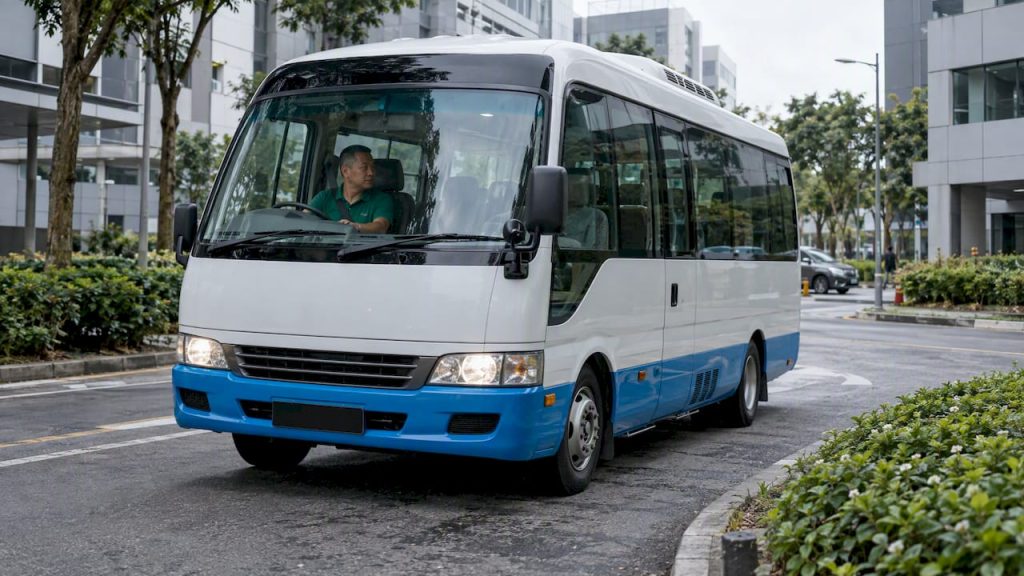
- Wheelchair bus or accessible shuttle: for people who use a wheelchair or other mobility aid but do not need monitoring on the way.
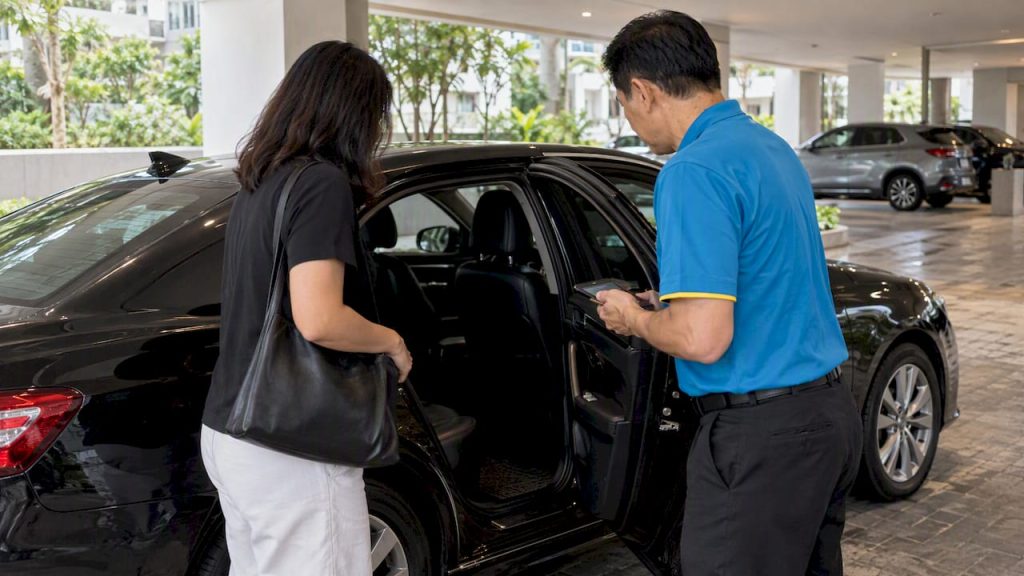
- Private chauffeured transfer or MPV charter: comfortable, flexible, door-to-door and non-clinical. It works well for caregivers, families and multi-stop days, but it does not replace an MTS when a patient needs clinical oversight.
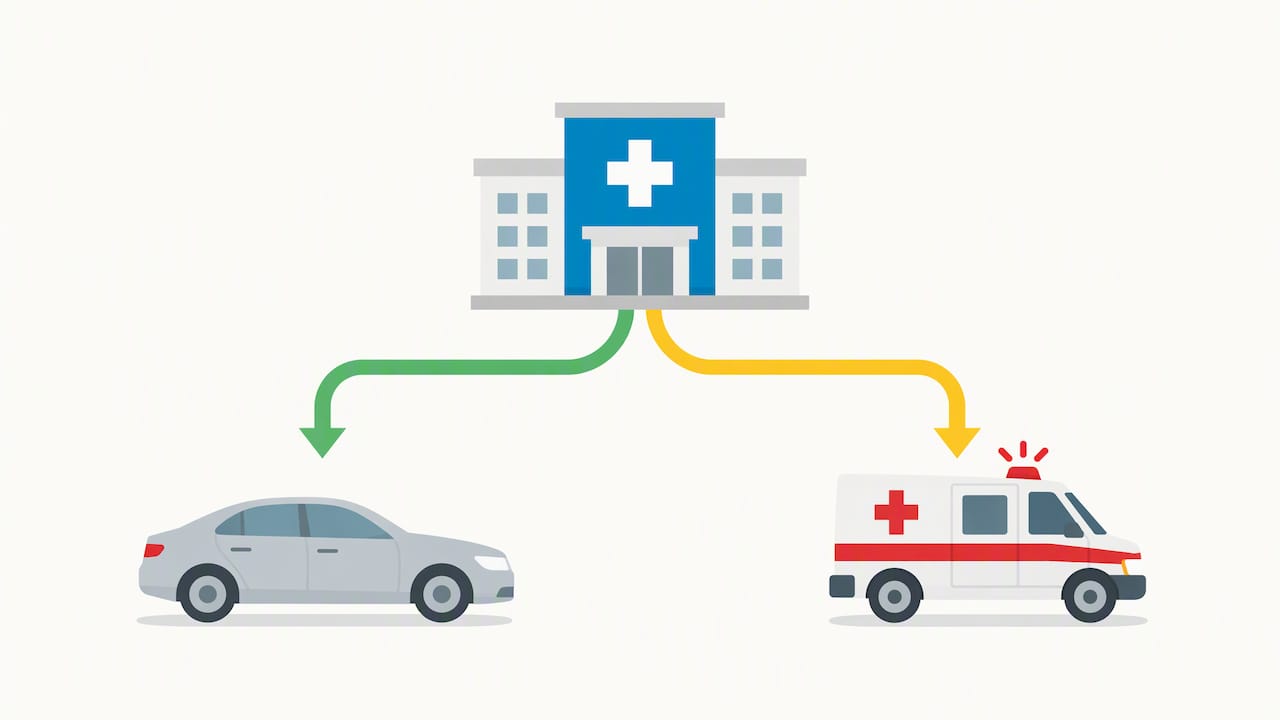
Emergencies are a separate matter. A private MTS is not an emergency service, and life-threatening situations belong with SCDF on 995. If you are unsure which category applies, ask your doctor or clinic coordinator before you book.
What medical transport costs and which subsidies apply
Fees vary by operator, time of day and the patient’s needs, so treat published figures as benchmarks rather than quotes.
MTS benchmark: as of January 2026, the 50th percentile fee for a one-way miscellaneous medical transfer is S$175 during office hours and S$200 after office hours. Use it as a benchmark when comparing provider quotes, and confirm the full fee directly with the provider.
- MET: round trips start from about S$40 before subsidies. Eligible Singapore Citizens and PRs may receive up to 80% off, and the subsidy is means-tested, so your own out-of-pocket cost depends on your household situation. The Agency for Integrated Care’s MET listing explains the service and how to apply through a doctor or AIC Link.
- MTS extras: conveyance is not always the whole bill. Equipment and special requirements can add charges, which is why the MOH common fees page is worth reading. It is a guide only and is not exhaustive, so confirm the full amount with the provider before the trip.
- Private chauffeured transfers: priced by vehicle type, route or hour. Our current rates are on our rates page.
How to book medical transport: timing, details and a mobility checklist
Late or vague bookings are where most problems start. Dedicated medical transport often needs at least six hours’ notice to guarantee a vehicle with a wheelchair lift, and peak times or special equipment can call for more.
- Call the provider early and give the appointment address and time.
- Describe the patient’s mobility level honestly: walks unaided, uses a stick, folding wheelchair or electric wheelchair, or needs a stretcher.
- Confirm the equipment: hydraulic lift or ramp, wheelchair securements, oxygen supply.
- Ask whether an escort is included or must be requested separately.
- Share medication needs, an emergency contact and patient identification details.
- Note any access instructions, such as lift lobbies, gate codes or steps at the pickup point.
- Agree the return pickup window and keep the provider’s contact number handy.
Pro Tip: Ask the provider to repeat back what vehicle and equipment are booked. A lift that was assumed rather than confirmed is the most common reason a pickup fails.
Be clear about the limits too. MTS providers must triage patients, and if a patient cannot be conveyed safely they will advise calling 995. Do not use a private service for a life-threatening situation.
What to expect on the day of travel
A good trip feels uneventful, and a little preparation makes that more likely.
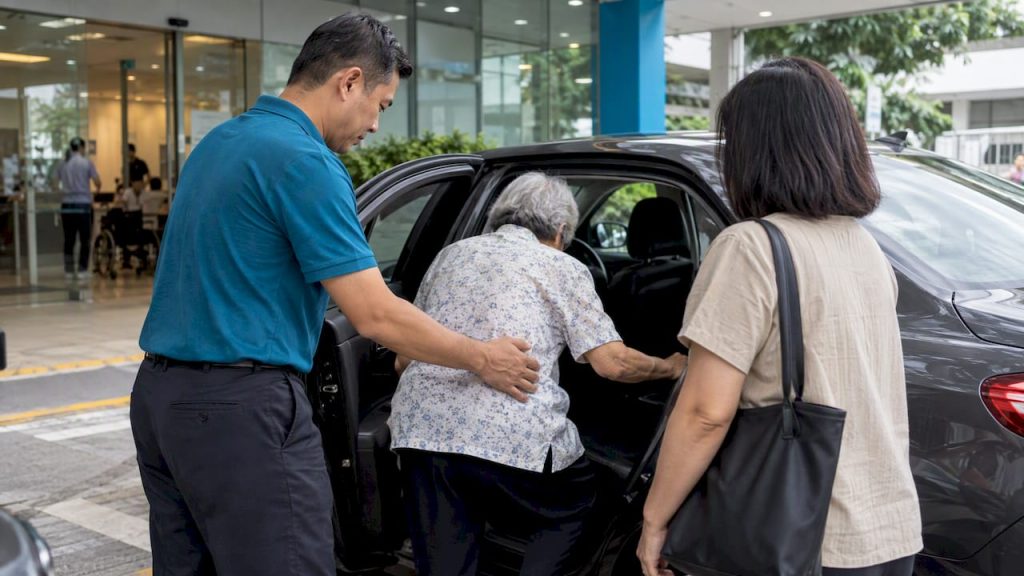
- Crew and meet-and-greet: expect a driver, and with MET or MTS a medical escort or crew member. Typical help includes door-to-door assistance, wheelchair transfers and handing paperwork over at the clinic.
- Triage and safety: MTS operators assess whether a patient is suitable for conveyance and arrange an SCDF ambulance if not. This is part of MOH’s licensing requirements, which also require providers to maintain training and certifications. A private chauffeur does not provide clinical monitoring, so match the service to the patient’s condition.
- Pickup timing: be ready before the scheduled pickup, with documents, medication and mobility aids within reach.
- The return leg: confirm the pickup time before you go in for the appointment. Clinic waits run long, so tell the provider if your timing changes.
When a private chauffeured transfer is the right choice
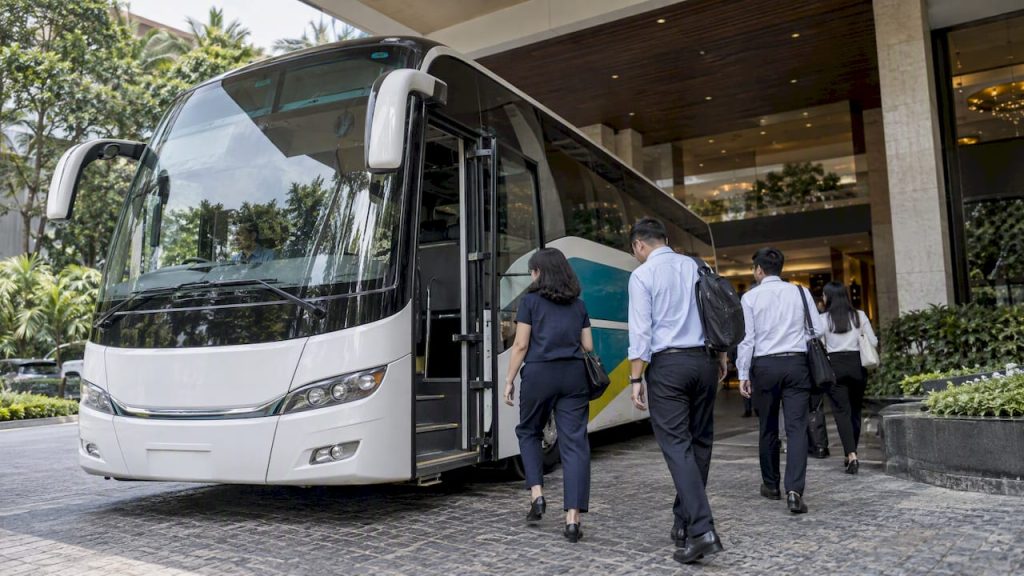
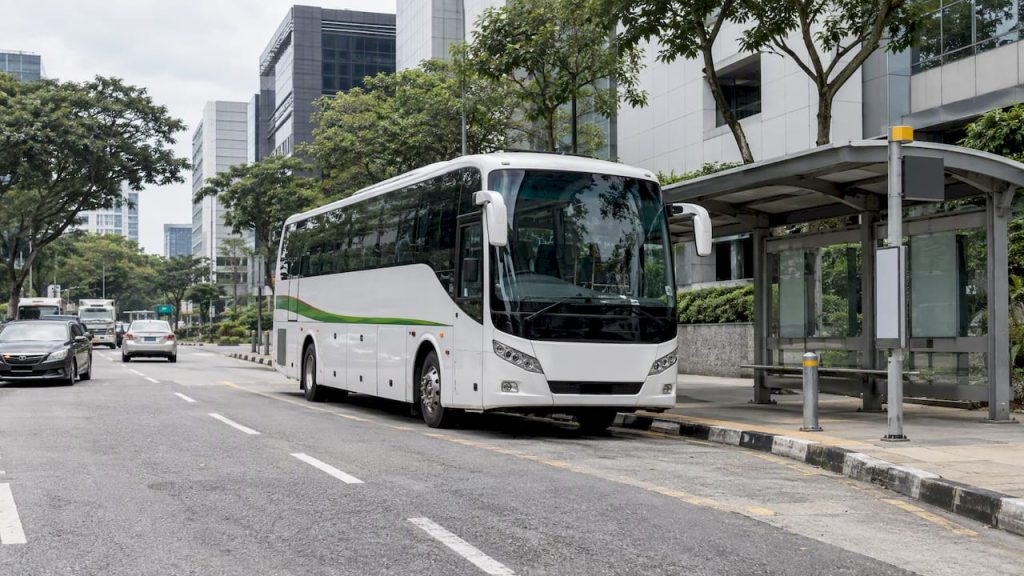
Not every appointment trip needs clinical care. For a stable patient with a caregiver, what matters is a punctual driver, a comfortable vehicle and one less thing to coordinate. That is where we come in. Our fleet covers sedans, MPVs, minibuses and coaches, and our chauffeured minivan rental suits families and caregivers travelling with a companion.
A private transfer fits best when:
- you want punctual, comfortable door-to-door travel with no clinical monitoring needed;
- several people are travelling together to the same appointment;
- your day has multiple stops, such as a clinic visit followed by a pharmacy or a family errand.
Before you request a quote, ask about vehicle accessibility, including whether a lift or ramp is available for your needs. Then confirm pickup and drop-off points and the estimated timing, and keep our contact details for coordination on the day. You can see our vehicle options on our services page, then send your request through our booking reservation page.
FAQ
What is the difference between MET and MTS in Singapore?
MET pairs accessible transport with an escort for people who cannot travel independently, and it is subsidised for eligible seniors. MTS is a regulated medical transport service for stable patients who may need clinical monitoring on the way.
How far ahead should I book medical transport for an appointment?
Book at least six hours ahead where you can, and earlier when you need special equipment such as a hydraulic lift. Confirm the lift or ramp at the time of booking rather than assuming it.
Can a private chauffeured car replace an MTS?
No. A private chauffeur offers comfortable, flexible, non-clinical transport, but it does not include triage or clinical monitoring. If a patient needs monitoring during the journey, book an MOH-regulated MTS instead.
Who should I call in a medical emergency?
Call SCDF on 995. Private MTS providers are not emergency responders, and MOH advises the public to distinguish emergency ambulances from private medical transport.
Sources
- Transport Assistance Measures Available for Patients with Mobility Needs Requiring Multiple Medical Appointments | Ministry of Health
- Private Ambulance Services | Ministry of Health
- Intermediate and Long Term Care (ILTC) Services | Ministry of Health