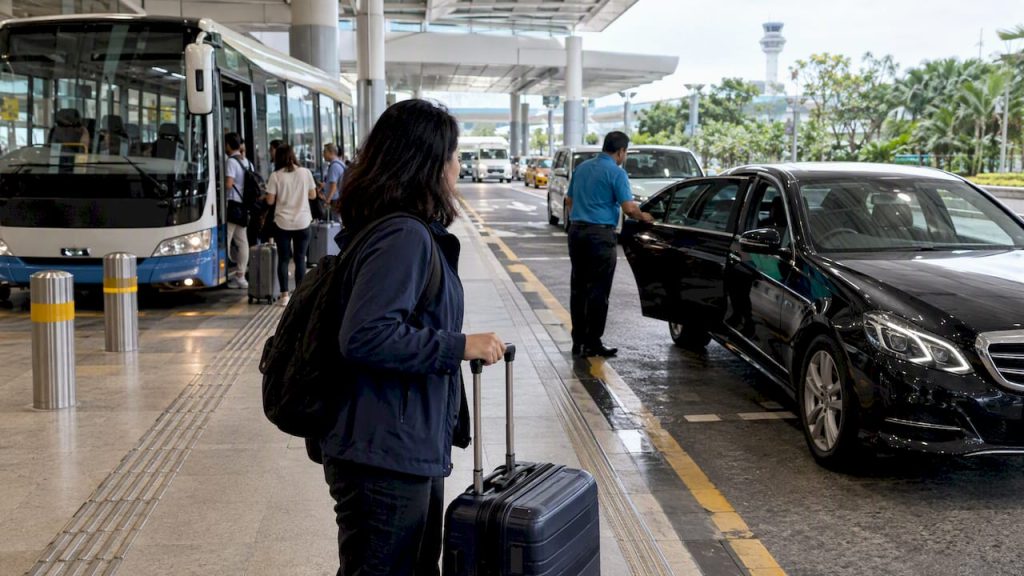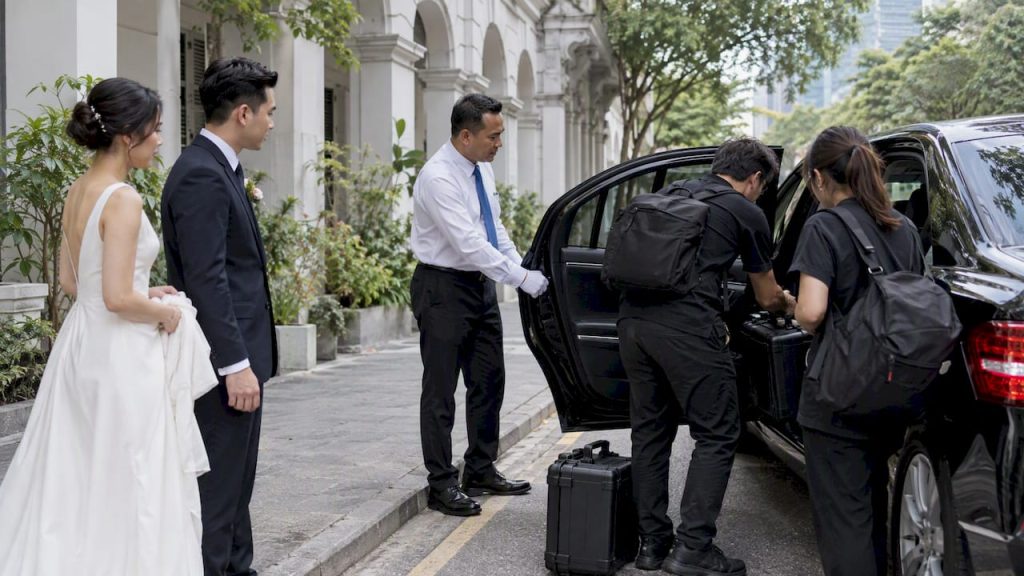
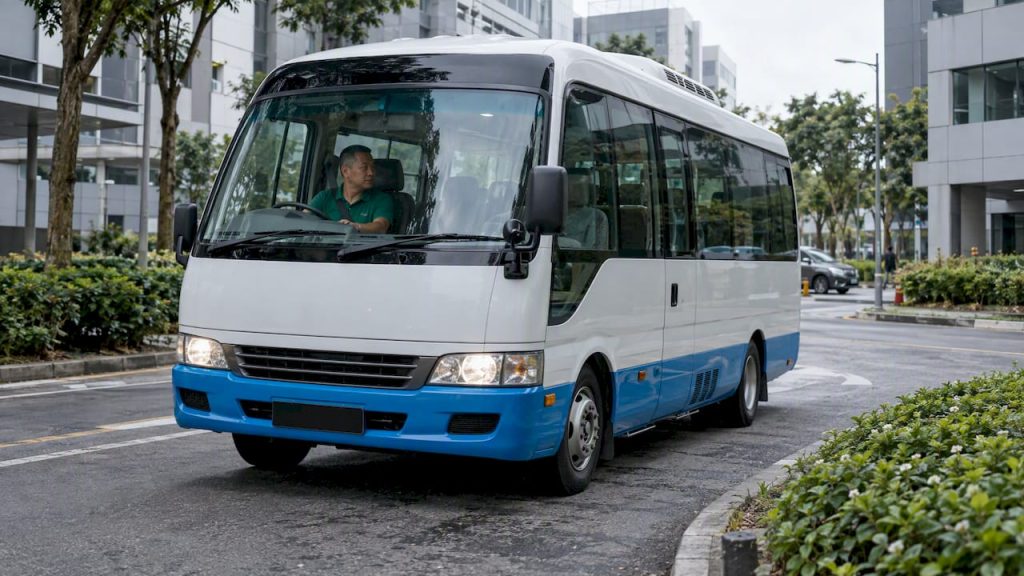
For most company offsites, book a chauffeured hourly charter, with a minibus or coach for the main group and a sedan or MPV for VIPs, well ahead. Before you sign anything, ask the operator to confirm its drivers hold a valid BDVL and its vehicles meet LTA rules. We at Kler Transport are one local option to consider.
TL;DR:
- Confirm seat counts with luggage loaded, since headline capacity can mislead; for long journeys, check reclining seats, rest stops, and onboard toilet availability.
- Set a headcount estimate at booking, confirm the final total before the event, and agree in writing how extra passengers and no shows are handled.
- Build pickup windows and buffer time into routes, confirm loading space, and arrange permits early for restricted areas or public bus stops.
- Compare written quotes by pricing model, waiting time, parking, tolls, and midnight surcharges; hourly bookings can cost more when traffic extends the schedule.
Table of Contents
- Which vehicle suits your group and itinerary?
- When should you book, and how do you build the timeline?
- Which licences and permits must you check in Singapore?
- How much should you budget, and how do you compare quotes?
- What is the organiser checklist from booking to departure?
- What safety and hygiene standards should you expect during transport?
- How can you customise transport for a corporate offsite?
- How does technology help with booking and real-time tracking?
- What should you know about environmental impact and eco-friendly vehicles?
- How can we support your company offsite transport in Singapore?
- FAQ
- Sources
Which vehicle suits your group and itinerary?
Matching the vehicle to the group can make a major difference to comfort and cost. Choose on headcount, luggage, trip length and how many stops the day contains. Capacities vary by model, so treat the ranges below as planning guides and confirm exact seat counts with the operator.
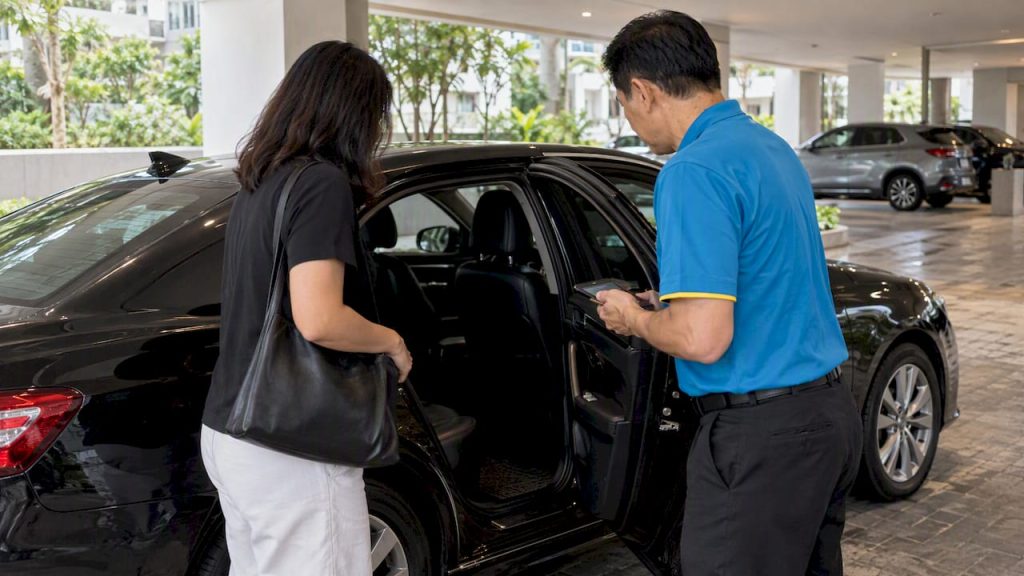
- Sedan: seats a small number of passengers and suits VIP transfers, senior leadership and airport pick-ups. Prompt: ask how much luggage fits alongside the passengers.
- MPV or chauffeured minivan: suits a small team or a mixed group moving together between a hotel and a venue. Prompt: confirm seat count with luggage loaded, not just the headline capacity.
- Minibus: the workhorse for departments and mid-sized teams on shuttle loops between an office, a restaurant and an activity site. Prompt: ask about boot space, aisle width and air-conditioning performance.
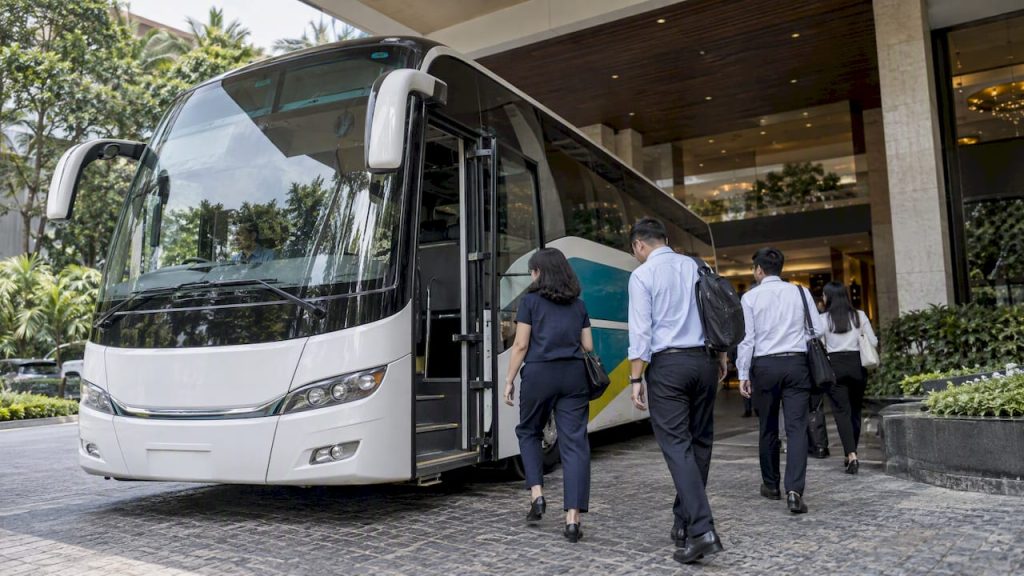
- Coach: the right call for large groups, long legs and cross-border travel into Malaysia. Prompt: for trips of several hours, ask whether the coach has an on-board toilet and how many rest stops the driver plans.
Luggage is where plans quietly fail. A team returning from an overnight retreat arrives with bags, laptops and sometimes event equipment, so a vehicle that was fine on paper can be full before the last person boards. Give the operator your rough bag count when you request a quote.
Comfort matters more as journeys lengthen. For a short hop between two venues, almost any vehicle works. For multi-hour transfers, a coach with proper reclining seats and a rest-stop plan beats three crowded MPVs. Driver experience also counts: someone who knows the venue access roads and loading bays saves you real minutes.
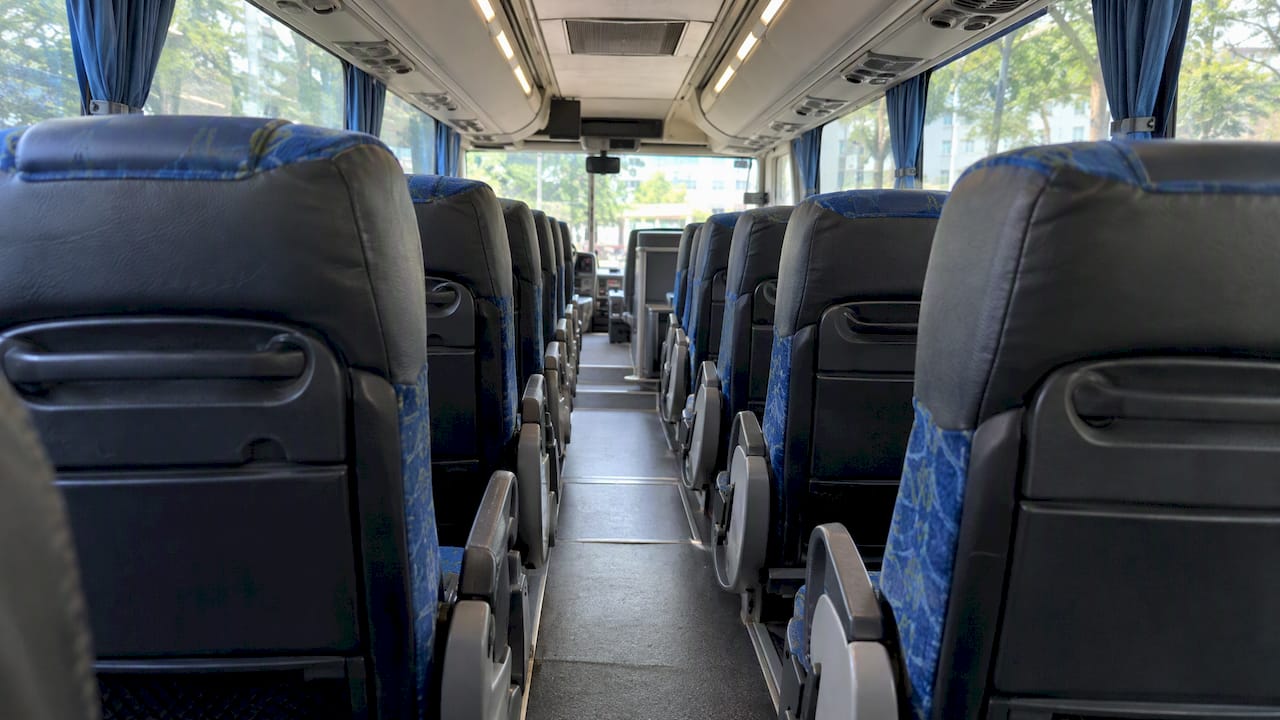
One vehicle usually beats several cars. A single minibus means one pick-up point, one driver to brief, one arrival time and one marshal. Several separate cars mean multiple drivers and sets of timings, increasing the chance that someone arrives late and holds up the programme. Split the group only when you have a clear reason, such as VIPs travelling separately or two venues in opposite directions.
For crowd-versus-VIP planning at larger events, our guide on conference delegate transport shows how shuttles and cars work together. If your group is heading for a minibus, our minibus charter guide covers the compliance checks, and the coach charter checklist does the same for larger vehicles.
When should you book, and how do you build the timeline?
Book earlier than feels necessary. Singapore’s MICE visitor arrivals reached 1.1 million in 2024, so organisers should plan ahead for transport demand during busy periods. Our suggested lead times are planning guidance based on group size, not official rules:
- Small team: book ahead, especially during busy periods.
- Medium group: allow more lead time as group size grows.
- Large or MICE-style event: plan as early as possible.
Peak weeks, public holidays and school-holiday periods call for the longer end of each range.
Confirm final headcounts in stages. Give the operator an estimated number at booking, then provide a firm number ahead of the event. Agree a no-show and extras policy in writing: who decides if three extra colleagues turn up on the morning, and which vehicle absorbs them? A small buffer of seats costs far less than a second vehicle called in at short notice.
Build the route around buffers, not best-case timings. Set a pick-up window rather than a single minute, add buffer minutes between legs, and sequence stops so that no vehicle has to double back across the island. For multi-venue days, plan the order of drop-offs and pick-ups before you plan the programme, because venue access often decides what is possible. Hotels and venues have loading bays, limited kerb space and sometimes reserved parking, so confirm where each vehicle will stage and how long it may wait.
If your offsite takes you into restricted areas such as industrial or port zones, entry passes need to be arranged well ahead, and the driver must hold the right licence.
Pro Tip: Appoint one single point of contact for the operator, stagger boarding by group or department, and keep a live spreadsheet or messaging group so every change reaches everyone at once.
Shuttle approvals can also add time. Our note on avoiding permit delays for event shuttles explains why you should start permit conversations at the same time as you book the vehicles.
Which licences and permits must you check in Singapore?
Hiring a vehicle that is not properly licensed puts your event, your staff and your company’s name at risk, so make these checks a standard part of procurement. Three things matter most:
- Driver licence: drivers of fare-paying buses, including private hire, excursion and school buses, must hold a valid Bus Driver’s Vocational Licence issued by the LTA.
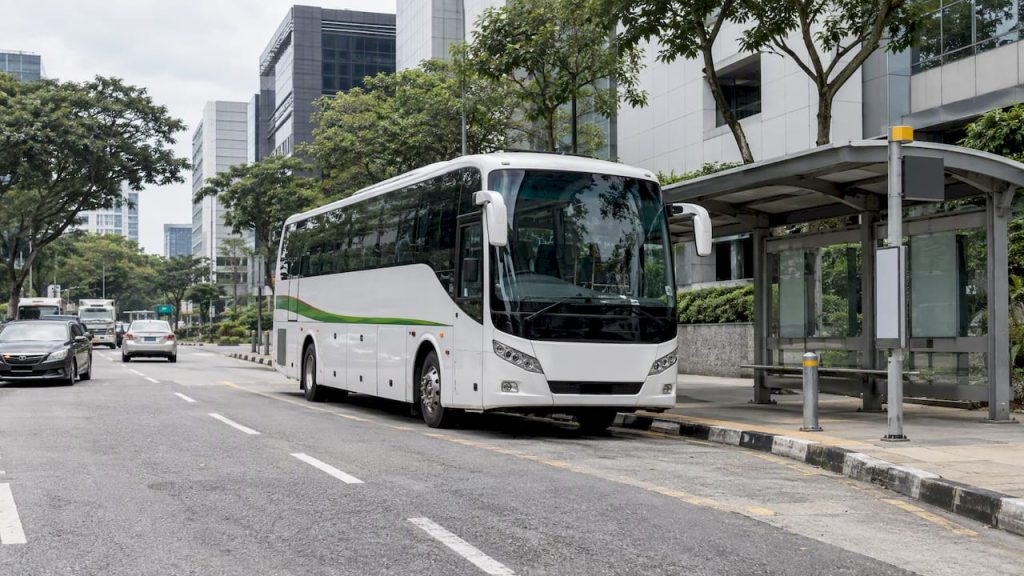
- Vehicle registration: private buses must be registered in Singapore, and LTA’s private bus rules set out registration, COE requirements for certain bus categories and the need for prior approval before using public bus stops for pick-up and drop-off.
- Regulatory framework: the Point-to-Point Passenger Transport Industry Act 2019 gives the LTA responsibility for licensing and regulating point-to-point passenger transport services in Singapore.
The key rule for organisers: drivers of private hire, excursion and school buses must hold a valid BDVL issued by the LTA, so ask for confirmation before you pay a deposit.
Ask every operator for proof, not assurances. A reasonable request covers the driver’s licence details, the vehicle’s registration and a written confirmation of any approval needed for the stops you plan to use. If you want to use a public bus stop as a pick-up point, check the LTA’s channels for approval requirements and raise the matter early.
Keep copies of what the operator sends you in the event folder. If a venue manager or building security asks who is carrying your staff, you want the answer within a minute.
How much should you budget, and how do you compare quotes?
Operators price in a handful of ways, and comparing like with like is half the battle. The common models are per hour, per trip and a flat charter for a day or half-day. Our own published rates use all three: for example, our rates page lists airport arrival transfers at 65–140 SGD, point-to-point transfers at 60–130 SGD and hourly booking at 50–100 SGD per hour, with midnight charges of 10–20 SGD. A day charter for cross-border trips is listed at 450 SGD per day on our Malaysia rates page. Rates depend on vehicle type, group size and service, so request a written quote for your specific plan.
When you set quotes side by side, check what each one includes:
- Waiting time: is it built into an hourly charter or billed separately?
- Parking and tolls: included, or passed through at cost?
- Late-night charges: does the quote apply a midnight surcharge?
- Extras: meet-and-greet, luggage handling or an additional driver.
Cost drivers are predictable. Bigger vehicles cost more per hour but less per head. Longer durations and distances raise the bill, and peak periods push prices up. Extra services add small line items that matter across a large group.
For illustration, a team splitting across minibuses will incur costs based on the number of vehicles and the booking duration. Your own quote will vary, so check how waiting time and duration affect the total.
Always include a contingency. Traffic delays stretch hourly bookings, and a last-minute headcount change can mean an extra vehicle. For a worked look at staff shuttle pricing, see our staff shuttle cost guide.
What is the organiser checklist from booking to departure?
Copy this sequence into your event plan and tick it off.
- Confirm the basics: event date and time, the deadline for the final guest list, luggage and accessibility needs, and the vehicle mix.
- Book at the right lead time: use the timeline above, longer for coaches and peak dates.
- Request compliance proof: BDVL confirmation for each driver, vehicle registration details and written confirmation of any approvals for public bus stops.
- Lock the paperwork: get the driver’s contact number, a written itinerary and a contingency clause covering breakdowns and delays.
- Circulate pick-up maps: send each passenger the exact boarding point, the departure time and the organiser’s phone number.
- Confirm loading points: agree with the hotel or venue where vehicles will stage, and arrange reserved parking where possible.
- Assign vehicle marshals: one named person per vehicle who holds the passenger list and checks people on.
- Run real-time check-ins: use a messaging group so departures, delays and swaps are visible to everyone.
- Verify before departure: a quick look at the driver’s licence and the vehicle’s condition, including seatbelts, air-conditioning and cleanliness.
- Handle swaps calmly: keep the operator’s dispatcher on speed dial for last-minute vehicle changes or extra passengers.
The day-of steps are where most organisers feel the pressure, which is why the preparation above matters. A marshal with a printed list and a charged phone can help address problems before they grow.
What safety and hygiene standards should you expect during transport?
Safety starts before the vehicle moves. Ask the operator about its vehicle maintenance routine, its driver rest and scheduling practice for long days, and what happens if a vehicle develops a fault mid-programme. A good answer names a replacement process, not just a phone number.
On board, expect working seatbelts, clear emergency exits, a stocked first-aid kit and a driver who briefs passengers where relevant. For coach trips of several hours, ask how rest stops are planned. Marshals should know where the nearest clinic or hospital is on the route.
Hygiene is simple but easy to overlook. Vehicles should be cleaned between groups, with seats, handles and armrests wiped down, and bins emptied. Ask whether air-conditioning filters are maintained, because a cold, clean cabin matters on a humid Singapore day. If your group includes anyone with allergies or sensitivities, mention them at booking so the operator can adjust, for example by avoiding strong air fresheners.
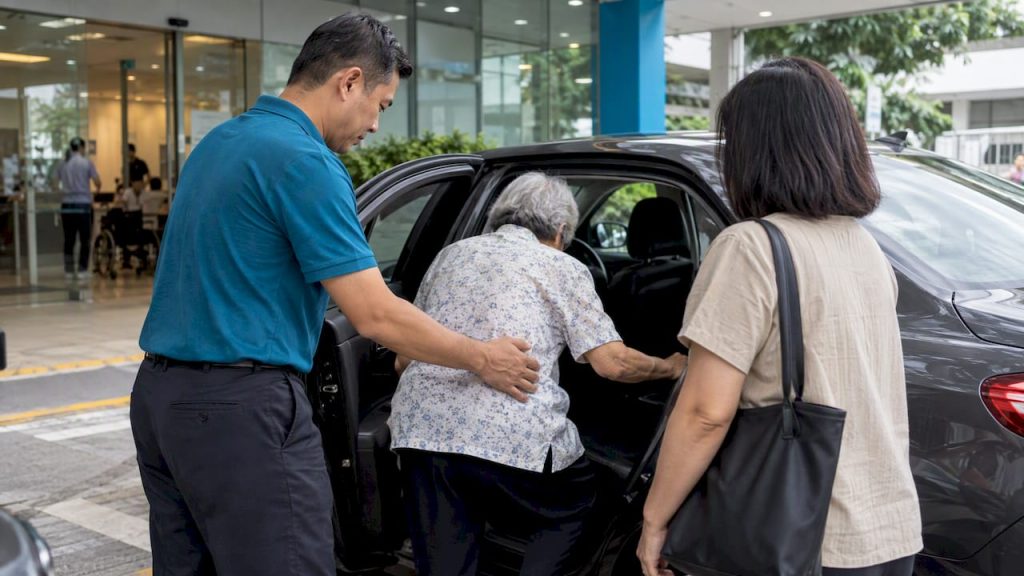
Accessibility is part of safety too. If a team member uses a wheelchair or has limited mobility, tell the operator early so the right vehicle is allocated and boarding time is planned in. Last-minute discoveries lead to rushed decisions.
Finally, brief your own people. A short message before the event covering where to board, who the marshal is and what to do if they are running late prevents the stragglers who delay everyone else.
How can you customise transport for a corporate offsite?
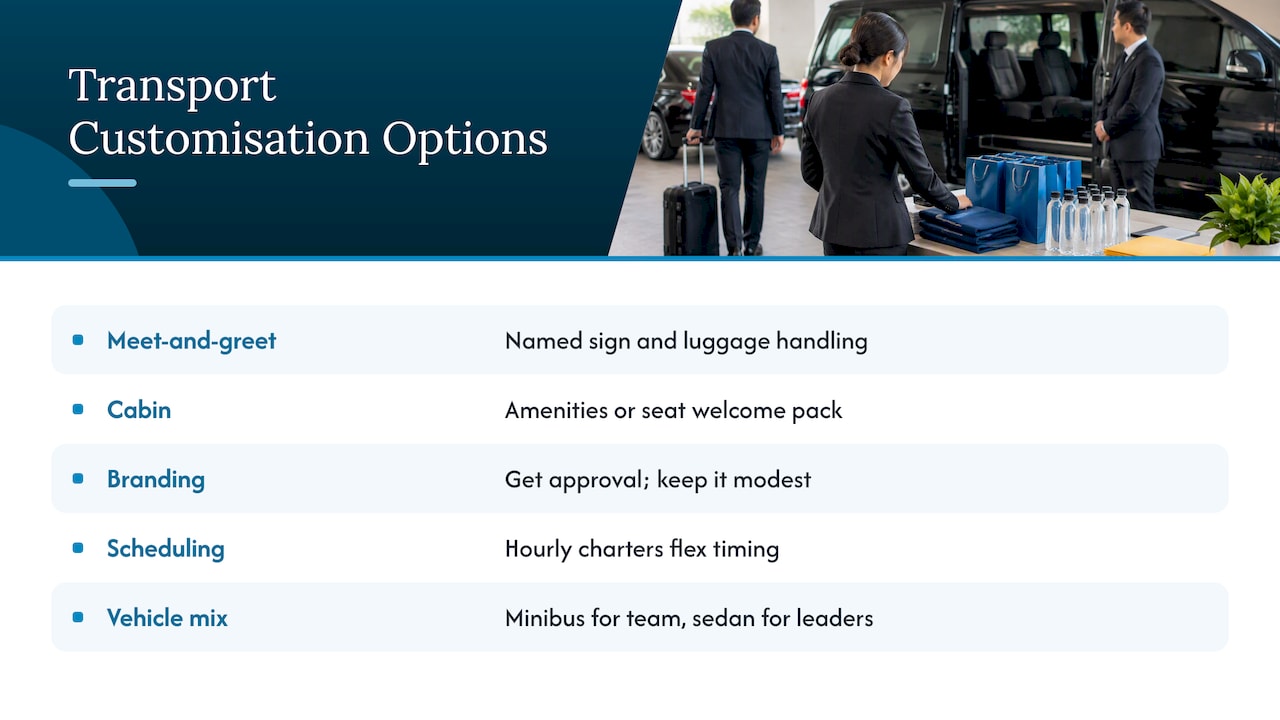
Transport can carry the tone of your event, not just move people. The first level of customisation is simple: agree on the greeting. A driver or marshal holding a named sign at the pick-up point sets the right impression for senior guests, and meet-and-greet and luggage handling are services we offer for exactly this purpose.
Next comes the cabin. Ask about on-board amenities such as bottled water, wet wipes, charging points and tissues. For a long drive, a welcome pack at each seat with the day’s schedule, a map and a snack feels thoughtful and keeps the programme on track. If your offsite has a theme, you can discuss interior touches or signage with the operator, though anything attached to a vehicle should be agreed in advance and removable.
Branding is worth asking about but should be handled carefully. Window signage, a company banner at the boarding point or branded welcome materials can all be arranged. Confirm what is permitted and what the operator needs for approval, and keep it modest so it does not affect visibility or safety.
Scheduling is another form of customisation. Hourly charters let you flex timing as the day develops, which suits programmes with workshops that overrun or team activities that run long. A fixed per-trip booking is cheaper but less forgiving.
Think about the mix as well. Many organisers book a minibus for the team and a sedan for the leadership, which gives senior people a quieter transfer and a flexible schedule. For routine staff movement outside events, our staff and workers transport service follows the same principle of matching the vehicle to the group.
How does technology help with booking and real-time tracking?
Technology is most useful in two moments: when you book and when the vehicles are moving. At booking, look for an operator with a clear online request process, written quote confirmation and itinerary sign-off by email. That paper trail protects both sides if details change later.
During the event, real-time visibility is the difference between a calm organiser and an anxious one. Even without a dedicated tracking app, a shared messaging group with the driver, the marshal and the organiser provides live updates on departures, arrivals and delays. Many organisers also share a live location link on request, which lets venue staff see when a vehicle is approaching and prepare the loading bay.
Ask operators what they can offer before you commit. Useful capabilities include a named dispatcher reachable during the event, automatic confirmation messages, flight-tracking for airport legs so pick-ups adjust to delays, and digital copies of driver and vehicle details sent ahead of time.
On your side, a shared spreadsheet is still the simplest tool. List each vehicle, driver, marshal, departure window and passenger count, and update it as the day unfolds. A QR code on the boarding sign can link to the day’s map and contact numbers, saving repeated questions.
Do not let technology replace judgement. A tracking link does not fix a missed pick-up point, so keep marshals on the ground and phone numbers handy. For flexible bookings, our booking reservation page is where you can send in your plan and confirm the itinerary in writing.
What should you know about environmental impact and eco-friendly vehicles?
Consolidating a group onto a minibus or coach can reduce the number of vehicles needed, making it a practical option for organisers focused on environmental impact. Fewer vehicles also means less congestion around the venue and fewer parking demands.
If sustainability is a priority for your company, ask the operator what fuel-efficient or lower-emission vehicles are available for your date. Availability of electric or hybrid options varies and may be limited, particularly for larger vehicles, so ask early and be ready to book well ahead. Do not assume an eco-friendly option exists; confirm it in writing before you promise it in internal communications.
You can reduce impact in other ways. Plan routes that avoid unnecessary backtracking, which saves fuel and time. Ask drivers to switch off engines while waiting at a venue where this is safe and permitted. Match vehicle size to headcount, so you are not driving a half-empty coach across the island.
Report back honestly. If your offsite has a sustainability section in its brief, record what you did: number of vehicles used, consolidation of trips and any lower-emission vehicle you secured. Avoid inflated claims, since staff notice when the story does not match what they saw.
Finally, think about the whole programme. Staging transfers around a single hub, grouping activities in one area and scheduling a lunch within walking distance of the venue all remove trips from the plan. The greenest vehicle is often the one you did not need to book.
How can we support your company offsite transport in Singapore?
When your plan includes several vehicle types, tight timings and compliance checks, the easiest route is one operator who handles it all. We offer chauffeured transport for corporate groups across Singapore, and our services page covers the options relevant to an offsite:
- Hourly charters: flexible booking that suits programmes where timing shifts through the day.
- Fleet range: sedans, MPVs, chauffeured minivans, minibuses and coaches, so groups of any size can travel together or in a mix.
- Meet-and-greet and luggage handling: a smooth start for senior guests and visiting colleagues.
- Airport, event and ferry terminal transfers: useful for visiting delegates and cross-border legs.
Our published rates are on our rates page. When you book, ask us for a written itinerary confirmation. Send us your date, headcount and route through our booking reservation page and we will come back with a quote.
FAQ
How far ahead should I book offsite transport in Singapore?
Book as early as you can, allowing more lead time for larger events. Longer lead times can help in peak periods, when MICE demand competes for the same vehicles.
Do charter bus drivers in Singapore need a special licence?
Yes. Drivers of fare-paying buses, including private hire and excursion buses, must hold a valid Bus Driver’s Vocational Licence. Ask the operator to confirm this in writing before you book.
Is one minibus better than several cars for a team offsite?
Usually yes. A single minibus gives you one pick-up point, one arrival time and one driver to brief, which is easier to manage. Use separate cars only for VIPs or venues in opposite directions.
What should a transport quote include?
A good quote states the pricing model (hourly, per trip or flat charter) and spells out waiting time, parking, tolls and any midnight charges. It should also name the vehicle type and confirm driver licensing.
Sources
- Licensing
- LTA | Private Bus Licence and Operation
- Point-to-Point Passenger Transport Industry Act 2019 – Singapore Statutes Online
- Written reply to PQ on Statistics for Mice Sector in Past Three Years Compared to Pre-Covid-19 Numbers | Ministry of Trade and Industry