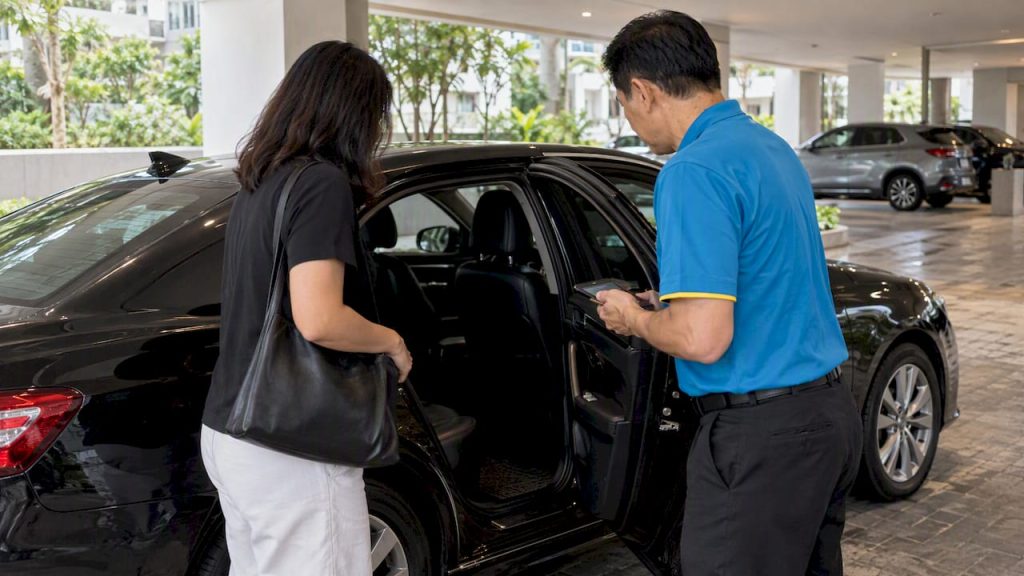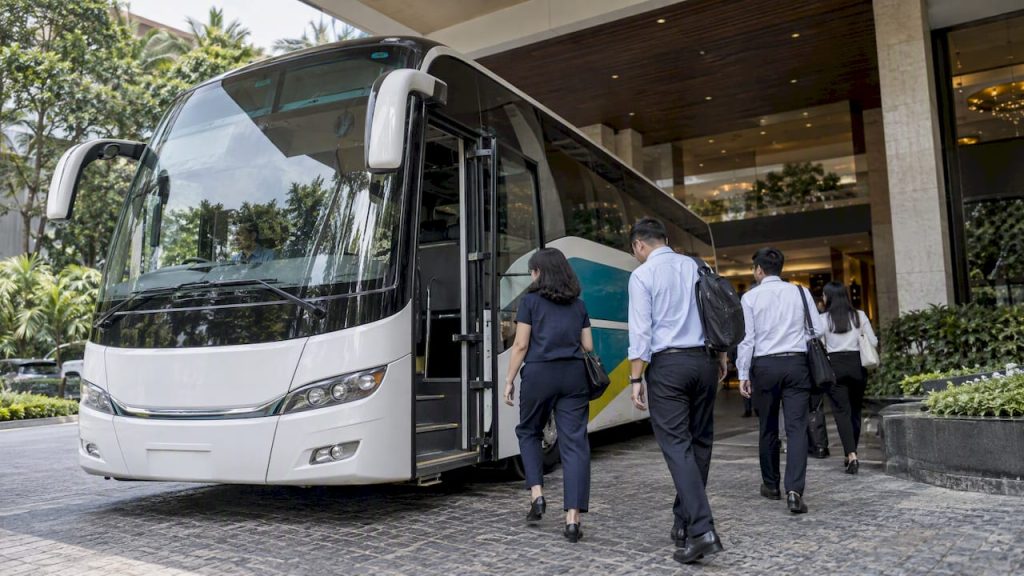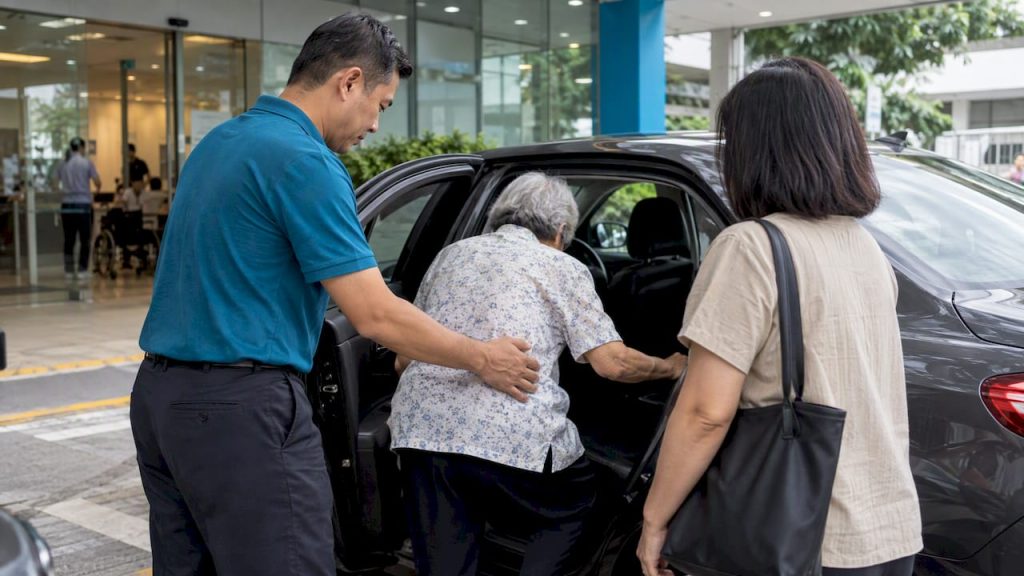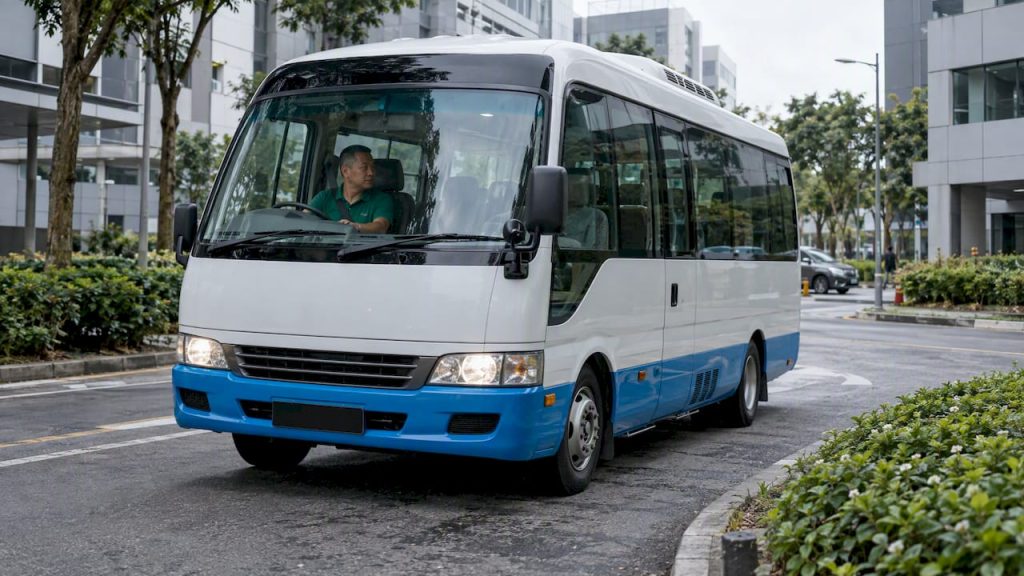
The right approach is a mixed fleet (sedans for VIPs, coaches for tables), one dedicated on-day coordinator, and two or three staged pickup points, all briefed against a written run sheet. Kler Transport handles this locally with sedans through to full coaches. Budget with a buffer for waiting time and overruns, and lock in vehicles well in advance.
TL;DR:
- Booking no more than two to three collection points and consolidating guest pickup locations reduces schedule complexity and minimizes delays.
- Using three service layers—shared shuttles, VIP sedans, and sponsor charters—ensures smoother transfers and avoids vehicle overcrowding.
- Building the departure schedule backwards from guest seating time, with staggered waves and buffer time, helps prevent long queues and late arrivals.
- Assigning a dedicated coordinator with real-time communication to brief drivers, manage reroutes, and handle issues reduces on-the-day chaos.
- Prioritizing VIP and sponsor transport, while offering general guests opt-in shuttles, balances cost control with a quality arrival experience.
Table of Contents
- What transport structure works best for a gala dinner in Singapore?
- Which vehicle class suits your guests and group size?
- How do you build the departure schedule and run sheet?
- What VIP and red-carpet protocols should you plan for?
- How much should you budget for gala transport in Singapore?
- How does the on-day handover actually run?
- When should you book, and what are the cancellation terms?
- How do you handle elderly or disabled guests during transfers?
- Which local suppliers should you actually contact?
- How do you avoid arrival queues and driveway congestion?
- Where should pickup points be, and how do you group guests?
- Who briefs drivers, and how do you handle problems on the night?
- When does gala transport actually pay for itself?
- Kler Transport: how we can help with your next gala
- Sources
What transport structure works best for a gala dinner in Singapore?
Most successful gala transfers use three service layers running at once, not one fleet doing everything. Guests move on shared shuttles, VIPs travel on dedicated sedan disposals, and sponsor tables get their own charter block so a keynote sponsor’s group doesn’t end up split across three separate vehicles.
Here’s how the three layers typically break down:
- Full-shuttle service: MPVs or mini-coaches running fixed loops from one or two hotel hubs to the venue, timed to arrive in waves rather than one crowd.
- VIP sedan disposal: A car and chauffeur assigned to a guest of honour, keynote speaker, or major donor for the full evening, not a single drop-off.
- Table or sponsor charters: A minibus or coach reserved for a specific table booking, useful when a company has bought ten or twelve seats and wants everyone arriving together.
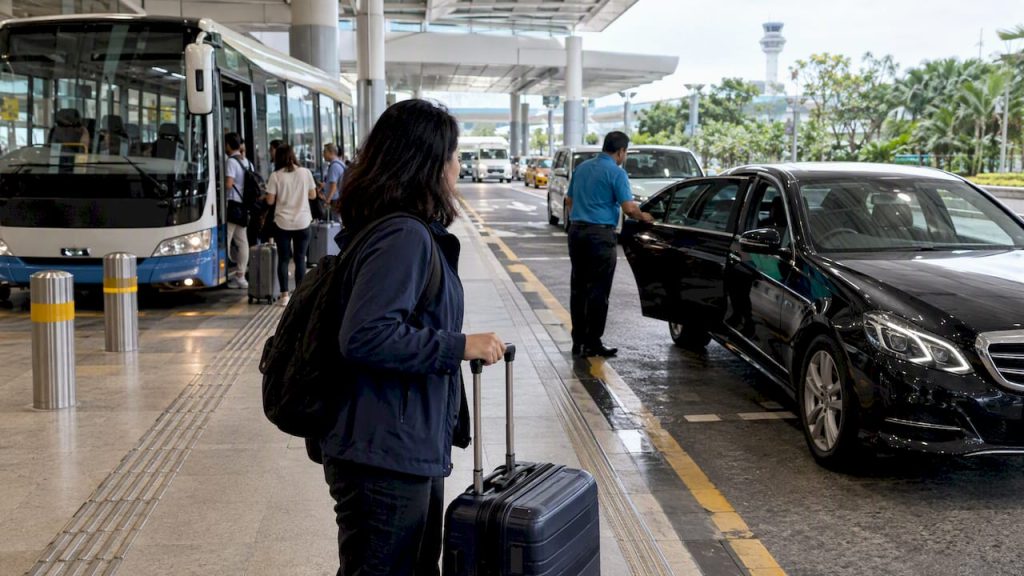
Fewer collection points beat more of them almost every time. Industry guidance from UK charity events suggests one central hub plus a single suburban stop covers most guest lists without turning the operation into a scavenger hunt. In Singapore, that usually means an MRT-adjacent hotel or office cluster as the primary point, with a second stop only if a large block of guests genuinely clusters elsewhere.
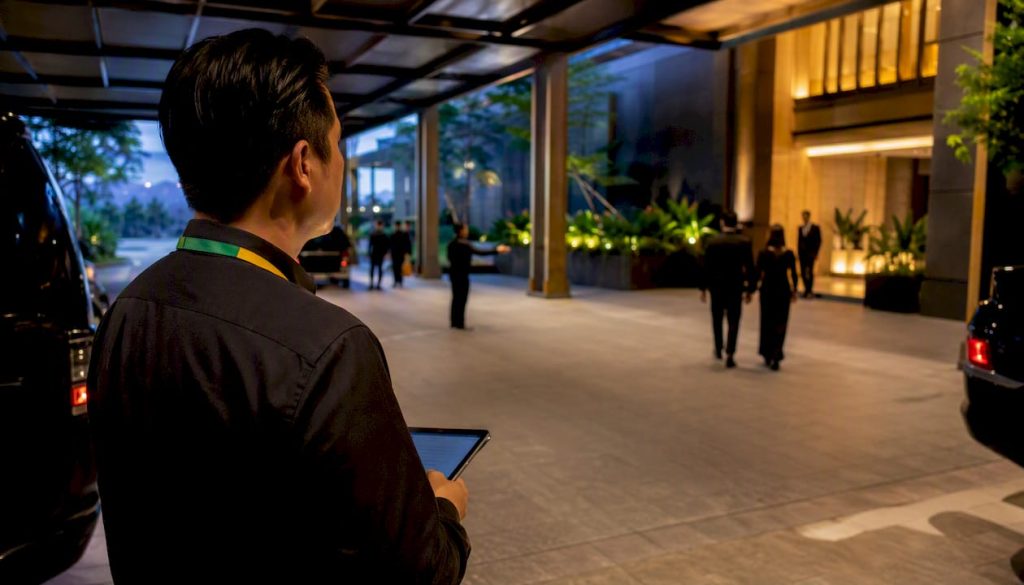
The coordinator role matters more than any single vehicle choice. One person needs authority to reroute a car, hold a departure, or radio a driver stuck at the Suntec drop-off, and every driver on the roster needs that person’s number before the first pickup.
Which vehicle class suits your guests and group size?
Picking the wrong vehicle class is the single most common gala transport mistake, usually because someone books on headcount alone and forgets what a ball gown does to a high step-in height.
- Executive sedan (1 to 3 passengers): Best for VIPs, speakers, and guests in formal wear who need a low step-in and minimal walking to the door.
- MPV (4 to 6 passengers): Good for small groups or couples travelling together, still comfortable for long gowns and dinner suits.
- Sprinter van (10 to 14 passengers): Efficient for a single sponsor table or a small department group with modest luggage or gift boxes.
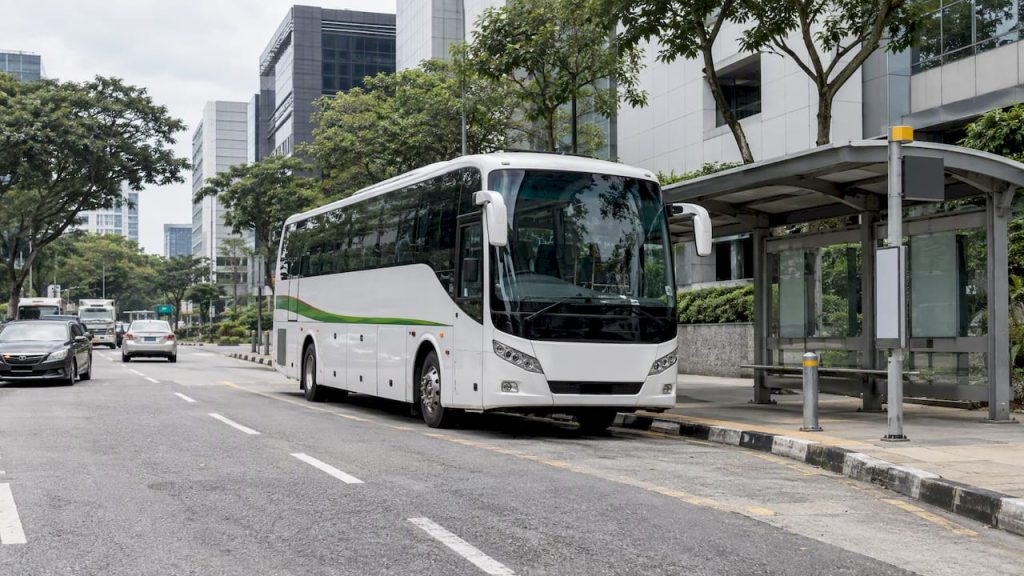
- Mini-coach (20 to 28 passengers): The workhorse for hotel-to-venue shuttles when guest numbers are moderate.
- Full coach (35 to 45 passengers): Right for large staff outings or when one shuttle run needs to clear a big hotel lobby fast.
Black-tie dress codes push most bookings towards sedans and MPVs for anyone senior, simply because coach steps and long gowns don’t mix well under evening lighting. Equipment matters too. If a table is bringing auction items, trophies, or AV cases, that’s a sprinter van decision even if the headcount would fit an MPV.
How do you build the departure schedule and run sheet?
Every schedule should be built backwards from the moment guests need to be seated, not forwards from when the first car is available. Coach-hire case studies covering large annual dinners point to this back-to-front method as the difference between a smooth arrival sequence and a queue of cars stacking up outside the venue.
- Fix the seating or curtain time first, then subtract travel time for the furthest pickup point.
- Add a 20 to 30 minute buffer for Singapore’s evening traffic around the Central Business District, Orchard Road, or Marina Bay, depending on the venue.
- Stagger departures from each pickup point in 10 to 15 minute waves so vehicles don’t all arrive at the driveway together.
- Set a flexible return window rather than a fixed time. Galas run long, and treating the return leg as a window rather than a fixed slot keeps guests from being stranded when the programme overruns.
- Confirm every driver’s pickup point, guest count, and contact number the morning of the event, not the night before.
Pro Tip: Build the run sheet in a shared spreadsheet the coordinator and every driver can see live. A printed sheet is useless the moment one car is delayed by ten minutes.
What VIP and red-carpet protocols should you plan for?
VIP handling is where most galas either look effortless or visibly scramble, and the difference usually comes down to preparation rather than budget.
- Assign a dedicated vehicle and driver to each VIP for the full evening, with a named coordinator holding direct contact with venue operations staff.
- Confirm the exact drop-off point with the venue in advance. Coach-hire case studies from large annual dinners warn that large vehicles attempting the main guest entrance without prior clearance are a common cause of driveway congestion.
- Verify the physical drop-off using a mapping tool before the event, checking the route is legal for a coach or minibus to stop, not just convenient.
- Brief chauffeurs on attire, signage wording, and where to hold luggage discreetly so nothing sits visible at the red carpet.
- Keep a security liaison contact on the coordinator’s list for any VIP requiring a quiet, separate arrival.
How much should you budget for gala transport in Singapore?
Costs move on a handful of levers: vehicle class, how many hours a car or coach waits on standby, how many stops it makes, and whether the date falls on a public holiday or runs late into the night.
- Vehicle type: A sedan disposal costs less per hour than a coach, but a coach costs far less per head once you divide by 40 seats.
- Waiting hours: A car booked for the full evening, including the wait during dinner, costs more than a simple drop-and-collect.
- Additional stops: Every extra pickup point adds time and usually a surcharge, which is another reason to hold the line at two or three hubs.
- Surcharges: Late-night finishes and public holidays typically carry a premium across the industry.
The most reliable way to cut per-person cost without cutting quality is consolidation: one pickup point, shared coaches instead of scattered sedans, and a sponsor picking up the transport line item for their own table. Charity fundraiser case studies suggest that removing the need for guests to drive themselves correlates with longer stay times and stronger auction participation, which is worth weighing against the line item on a spreadsheet.
How does the on-day handover actually run?
A clean handover comes down to three documents: a driver briefing sheet, a contact list, and clear signage instructions for guests who’ve never used the pickup point before.
- Driver briefing checklist: Pickup address, guest count, VIP flags, coordinator’s number, and the exact drop-off point at the venue.
- Contact list: Coordinator, venue operations manager, and a backup driver number in case of a breakdown or late change.
- Signage and guest instructions: A simple printed or digital notice at the pickup point stating vehicle type, departure time, and who to call if a guest is running late.
Kler Transport builds each gala booking around this structure, assigning vehicles from its own sedan, MPV, and coach fleet, then pairing them with a coordinator who holds the run sheet and communicates with drivers in real time rather than relying on guests to find their own car.
When should you book, and what are the cancellation terms?
Gala nights cluster around the same calendar weeks every year, particularly the Q4 charity and corporate awards season, which means popular dates book out faster than a routine airport transfer would. Guidance from gala transport providers suggests booking eight to twelve weeks ahead for major dates, with extreme peak nights needing even longer lead time to secure evening drivers.
For Singapore specifically, that means confirming your fleet as soon as the venue and guest list are locked, rather than waiting until invitations go out. A provider like Kler Transport can usually accommodate shorter notice for smaller bookings, sedans and single MPVs especially, but full coach charters on a Friday or Saturday night in November or December deserve early confirmation.
Cancellation terms vary by vehicle class and how close to the event date you cancel. As a general rule across the industry, expect a full or near-full refund outside two to three weeks from the event, a partial refund inside that window, and little to no refund inside 48 to 72 hours, since drivers have already been rostered and can’t easily be reassigned that late.
Ask any supplier for these terms in writing before you sign off on numbers, and get written confirmation of the exact vehicle count, not just a total headcount. A quote for “transport for 150 guests” means something different depending on whether that’s ten MPVs or four coaches, and you want that locked down before invitations go out, not the week of the event.
How do you handle elderly or disabled guests during transfers?
Guest handling deserves its own line in the run sheet, not an afterthought once the vehicles are booked. A sedan with a high step-in height or a coach with steep stairs can turn an evening out into a genuine ordeal for a guest with limited mobility, so flag these needs at the RSVP stage, not on the night.
Ask organisers to note mobility requirements on the invitation reply, then match those guests to sedans or MPVs specifically, since both offer a lower step and shorter walk to the seat. Reserve at least one vehicle in the fleet as a lower-access option even if no one has flagged a need yet. Someone always does on the night.
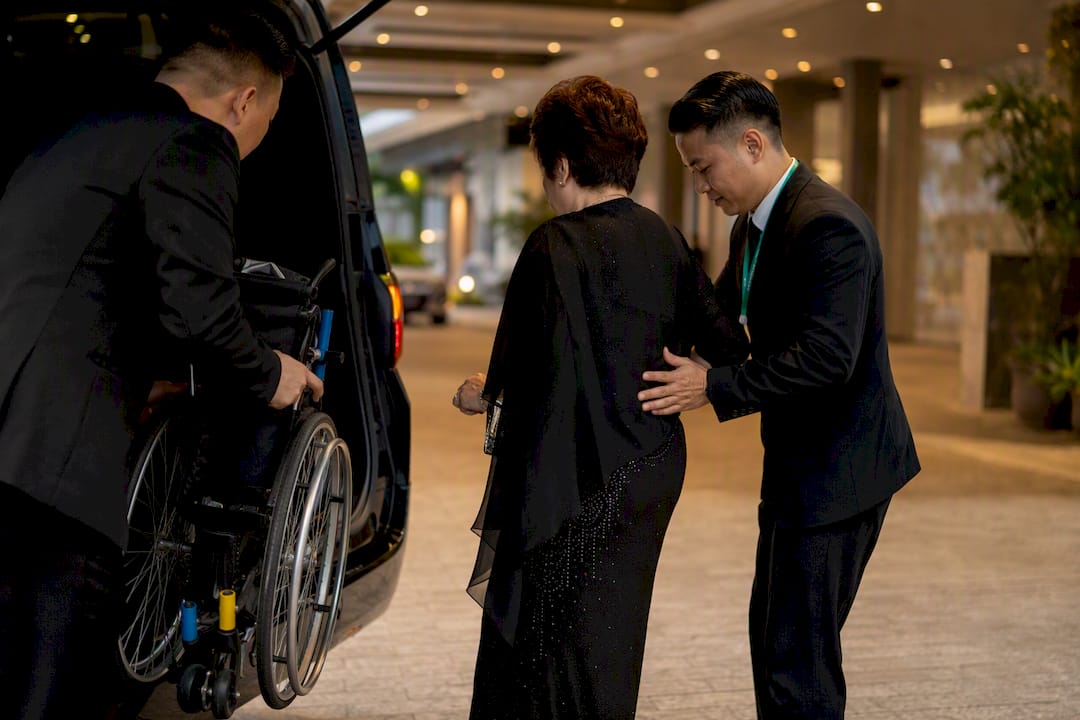
Chauffeurs should be briefed to offer an arm, hold the door, and wait rather than rushing a guest who needs an extra thirty seconds to settle in. It sounds obvious, but it’s the detail that gets skipped when a driver is focused on the next pickup in the queue.
For guests using a wheelchair, confirm in advance whether the booked vehicle can accommodate it folded in the boot or whether a wheelchair-accessible vehicle needs to be sourced separately, since not every MPV in a general fleet is fitted for this. Build in a few extra minutes at both pickup and drop-off for these guests specifically, and make sure the coordinator knows which car they’re in so venue staff can be ready with a ramp or level entry point if the drop-off has a curb.
Which local suppliers should you actually contact?
Singapore has a reasonably deep bench of chauffeur and coach operators, but few run the full range from a single executive sedan through to a 45-seat coach under one booking system, which matters when you’re trying to coordinate a gala with mixed vehicle needs across VIPs, sponsors, and general guests.
Kler Transport covers that full range locally: luxury sedans, MPVs, minibuses and coaches, with chauffeured service built around corporate events, hourly charters, and group transfers rather than one-off airport runs alone. That matters for a gala booking specifically, because the same coordinator who arranges your VIP sedan disposal can also confirm your shuttle loop and your sponsor table charter, rather than juggling three separate suppliers and three separate contact numbers on the night.
When shortlisting a supplier for a gala, ask for their fleet inventory by vehicle class, confirmation that drivers hold the relevant chauffeur licensing and insurance for hire-and-reward work, and a written run sheet template they’ve used for a comparable event before. A supplier who can produce that template unprompted has usually done this before. One who needs it explained from scratch probably hasn’t run a multi-vehicle gala at this scale.
Get quotes in writing that break down cost by vehicle type and waiting hours, not a single lump figure, so you can see exactly where the budget is going and where consolidation might save money.
How do you avoid arrival queues and driveway congestion?
Congestion at the drop-off point is almost always a sequencing failure, not a vehicle failure. It happens when too many cars are told to arrive at the same time instead of staggered waves.
Stagger every wave of arrivals by 10 to 15 minutes rather than sending the whole shuttle fleet at once, and brief every driver on the exact hold point if they arrive early, whether that’s a nearby car park or a designated waiting bay rather than idling at the entrance. Confirm with venue operations exactly where coaches and sedans should each stop. Many Singapore venues, particularly those inside larger hotel or convention complexes, have separate bays for large vehicles and cars, and using the wrong one is a common cause of a blocked driveway.
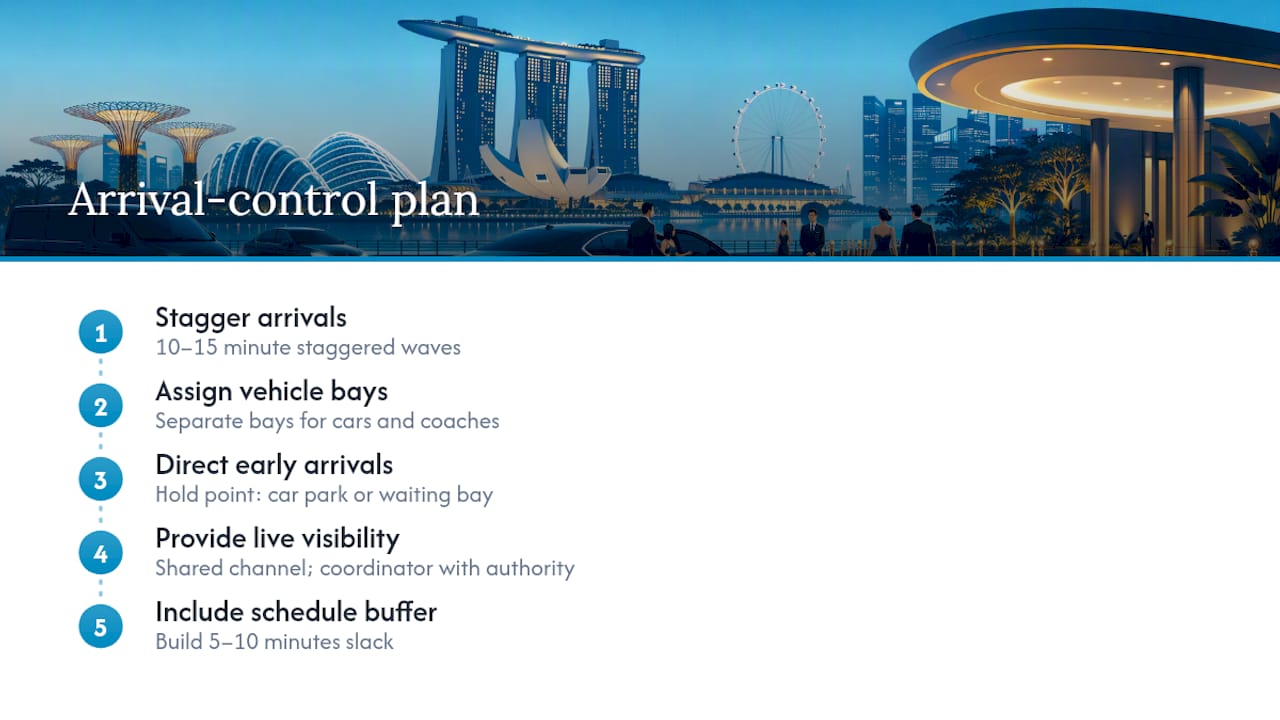
Give the coordinator visibility of every vehicle’s estimated arrival time, ideally through a shared messaging channel with drivers, so a delay on one shuttle can be radioed ahead and the next wave held back rather than compounding the queue. Case studies on large annual dinner logistics point to exactly this kind of proactive rerouting, decided by one person with the authority to act, as the difference between a two-minute hold-up and a fifteen-minute pile-up outside the entrance.
Build a small buffer into the schedule specifically for this. Even a well-planned sequence needs five to ten minutes of slack somewhere, and it’s better spent waiting calmly than absorbed as a delay at the door.
Where should pickup points be, and how do you group guests?
The instinct to offer pickups near every guest’s home address feels considerate, but it’s the single fastest way to blow out your schedule and your budget. Every additional stop adds driving time, adds a surcharge, and adds a point of failure where a car waits for a guest who isn’t ready.
One central hub, typically a hotel lobby or office building guests already know how to reach, plus a single secondary stop if a real cluster of guests genuinely needs it, covers most gala guest lists without turning the operation into a multi-stop tour. Guidance from UK fundraiser logistics backs this two-point structure specifically because it keeps the schedule simple enough for a single coordinator to manage without losing track of who’s where.
Group guests by table or department where possible rather than by geography alone. A sponsor who’s bought ten seats generally wants their group arriving together, not scattered across three different shuttle waves because their offices happen to be in different districts. Communicate the pickup point, time, and vehicle type to guests well ahead of the event, ideally in the same email as the dress code and dinner timing, so nobody arrives at the wrong hub or misses their wave entirely.
Who briefs drivers, and how do you handle problems on the night?
The coordinator briefs every driver, ideally in person or on a call the same day, never left to a group chat message read halfway through a shift. That briefing should cover the exact pickup address, guest count, VIP flags, drop-off point, and what to do if a guest is late or a passenger count changes at the last minute.
A single communication channel matters more than any app or system. A shared messaging group with the coordinator, all drivers, and one venue contact means a delay, a change of plan, or a stranded guest gets resolved in minutes rather than through a chain of missed calls. Decide contingency responses before the night, not during it: who handles a no-show guest, who reroutes a car if a road closes, and who authorises an extra return run if the programme overruns.
Kler Transport’s chauffeurs are briefed against exactly this kind of run sheet ahead of each gala booking, with a coordinator holding real-time contact so a delay on one leg doesn’t cascade into the rest of the schedule. That structure, one briefed team working off one document, is what separates a gala that runs quietly from one where guests are left checking their phones outside a venue wondering where their car went.
When does gala transport actually pay for itself?
Transport spend earns its keep fastest at fundraising galas and donor-heavy events, where getting people through the door without the hassle of parking or a taxi queue tends to translate into longer stay times and stronger bidding. That’s the pattern UK fundraiser case studies point to, and it holds up in Singapore’s own charity dinner circuit just as readily.
The real decision isn’t whether to offer transport. It’s who receives it. Covering every guest is generous but expensive; covering VIPs and top-tier donors only is cheaper but can read as tiered treatment if it’s too visible. A middle path works well for most organisers: transport VIPs and sponsor tables as standard, then offer a shared shuttle as an opt-in for general guests, priced into the ticket or absorbed by a sponsor looking for visible branding on the arrival experience.
— Gurdip
Kler Transport: how we can help with your next gala
Kler Transport runs the full vehicle range a gala actually needs under one booking, sedans for VIP disposals, MPVs and sprinters for sponsor tables, and coaches for shuttle loops. You’re not juggling three suppliers and three run sheets on the same night. Every booking comes with a coordinator who briefs drivers, holds the venue contact, and manages the real-time messaging channel described earlier in this guide.
If you’re planning a gala dinner and need a fleet quote broken down by vehicle type and waiting hours, request a quote directly through Kler Transport’s booking page, where you can outline guest numbers, pickup points, and your event date. Corporate clients can also arrange invoicing directly rather than paying per booking, which is worth raising with the team when you first get in touch.
Sources
- Why UK charities rely on chauffeured group transport for fundraisers and gala events
- Gala event logistics: managing shuttles for the FLA annual dinner 2026
- Transportation guide | LMW Gala 2026