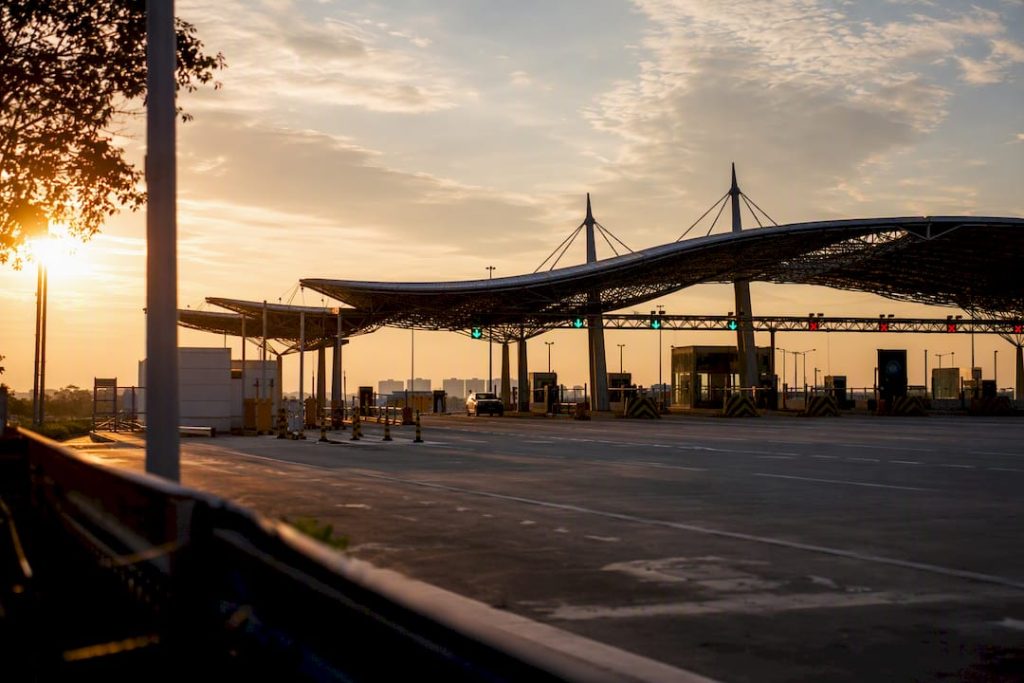
Immigration clearance at Second Link works through two possible routes: the standard passport check at manned counters, or a QR code system (MyNIISe or MyBorderPass) for eligible travellers moving through Woodlands and Tuas. Neither route removes the passport requirement. Tuas runs 24 hours a day, seven days a week, and handles cars, motorcycles, buses and commercial vehicles without exception.
If you’re heading there today:
- Carry a physical passport regardless of which lane or app you use.
- Check eligibility for QR clearance before you queue, since coverage still varies by nationality and vehicle type.
- If you’re unsure which lane applies to your vehicle, follow the step-by-step sequence below rather than guessing at the checkpoint.
Key Takeaways
Passports remain mandatory at Second Link regardless of QR eligibility, and Tuas operates 24/7 for all vehicle types.
| Point | Details |
|---|---|
| Passport always required | QR and automated systems are conveniences, not replacements for passport checks. |
| Two systems, different coverage | MyNIISe is expanding by nationality and vehicle type; MyBorderPass has narrower, older coverage. |
| Vehicle type dictates the lane | Buses alight passengers individually; cars may access automated in-car lanes. |
| MDAC applies to non-exempt travellers | Submit within three days before arrival; Singapore citizens are exempt. |
| Manual counters are the fallback | System outages and peak congestion mean you should always be ready to queue manually. |
Table of Contents
- What is the Second Link and who runs it?
- How does immigration clearance at Second Link actually work?
- Which QR and automated clearance options apply at Second Link?
- Do the rules differ by vehicle type?
- What documents do you need for Second Link clearance?
- What happens when the QR system fails or the checkpoint is busy?
- Why a chauffeured transfer changes the Second Link experience
- Book a chauffeured crossing through the Second Link
- Where to check the latest Second Link rules
- Sources
What is the Second Link and who runs it?
The Second Link is the Tuas checkpoint, a road crossing that connects Singapore directly to the Sultan Abu Bakar Complex (KSAB) on the Malaysian side. It’s a separate route from the Woodlands Causeway, and for many drivers heading towards Johor’s western districts or onward to Malacca, it’s the shorter, less congested option.
Two authorities run the crossing, and they don’t share a single system. On the Singapore side, the Immigration & Checkpoints Authority (ICA) manages exit checks, and it confirms Tuas operates 24/7, every day of the year, processing everything from motorcycles to lorries. Cross the bridge and you’re in Malaysian jurisdiction, where the Malaysian Immigration Department (Imigresen) runs entry checks at KSAB.
Practically, this matters because:
- Congestion patterns differ hour to hour between the two checkpoints, so Tuas is often the better choice when the Causeway is backed up.
- Because the sides are run independently, an outage or slowdown at one doesn’t necessarily affect the other.
- Both checkpoints answer to different national systems, so rules on QR eligibility can change on one side without changing on the other.
How does immigration clearance at Second Link actually work?
The sequence is the same whether you’re driving a sedan, riding a motorcycle, or sitting in a coach, though the details of where you present documents change by vehicle type.
- Approach the Singapore checkpoint. Have your passport out and, if applicable, your QR code generated in advance rather than fumbling with an app at the booth.
- Clear ICA exit checks. Officers verify your passport (and QR code, if you’re using one) before waving you towards the bridge. ICA’s own guidance is explicit that QR clearance speeds things up but doesn’t replace manual checks when officers ask for one.
- Cross the bridge. This takes a few minutes; keep documents accessible rather than packed away.
- Clear Malaysian CIQ entry checks at KSAB. Passports get stamped or scanned here, and non-exempt travellers need to have already submitted their Malaysia Digital Arrival Card (MDAC) within three days of arrival. Singapore citizens are exempt from the MDAC requirement, but the passport itself is never optional.
- Pass through customs. Declare anything that requires it before you exit the complex.
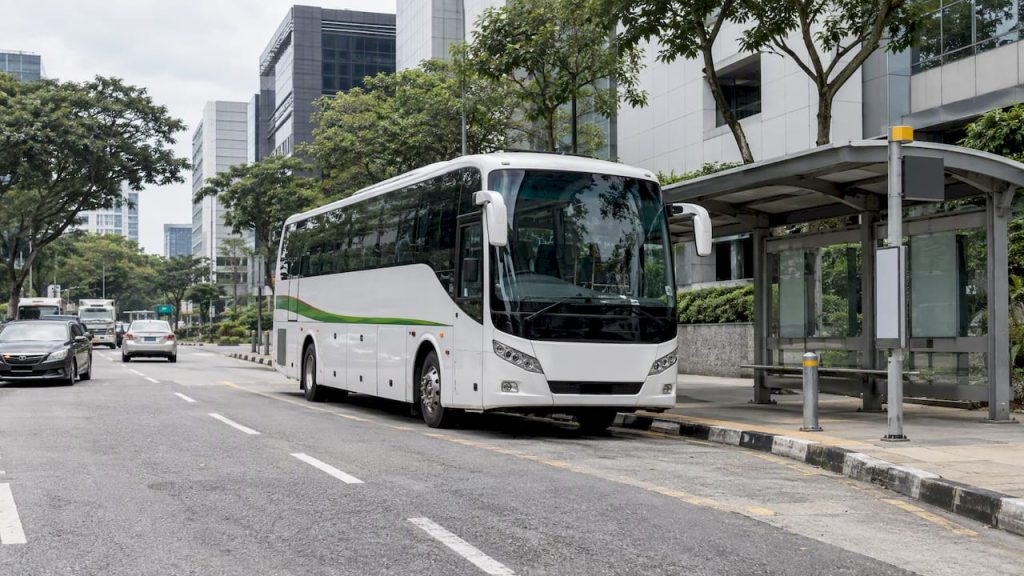
Buses and coaches almost always require passengers to alight and queue individually or as a scanned group, rather than clearing while seated. Private cars are the vehicles most likely to benefit from automated in-car clearance where it’s rolled out, meaning the driver and passengers may stay inside the vehicle while a scanner reads the vehicle and passport details.
Group travel through a single QR code (a family, a tour group, or a coach party) usually means one representative presents the manifest at the counter or scanner, though officers can and do ask individual passengers to confirm identity on the spot.

Pro Tip: Screenshot your QR code and keep a printed backup. Signal drops near the bridge more often than you’d expect, and a dead phone battery shouldn’t be the reason you’re stuck in a manual queue.
Which QR and automated clearance options apply at Second Link?
Two digital systems matter here, and they’re not interchangeable.
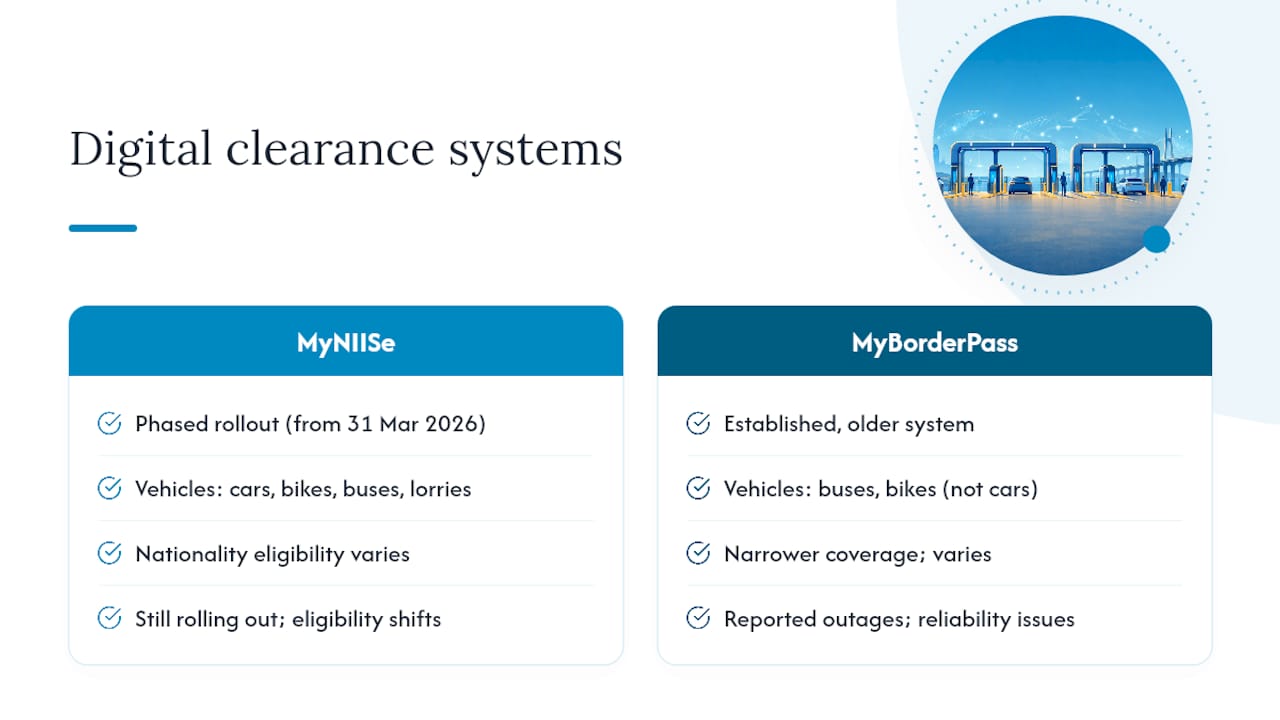
MyNIISe is the newer Malaysian system, in phased national rollout from 31 March 2026 according to the Ministry of Foreign Affairs Singapore’s travel advisory. It’s designed to eventually cover a wide list of eligible nationalities and vehicle types, including cars, motorcycles, buses and lorries, but because it’s still rolling out in stages, coverage depends on your nationality and the vehicle you’re driving at the time you travel.
MyBorderPass is the older, established system, historically focused on buses and motorcycles rather than private cars. It’s had its own reliability issues; outages at the Sultan Abu Bakar Complex have been reported by Free Malaysia Today, which is exactly the scenario where a manual passport check becomes your only option.
On the Singapore side, ICA offers its own QR clearance convenience feature at Woodlands and Tuas, separate from the Malaysian systems.
What ties all of these together: none of them remove the legal requirement to carry a passport. QR and automated systems are convenience layers on top of, not replacements for, standard immigration clearance. Authorities are actively expanding QR coverage to more vehicle classes and nationalities, but eligibility genuinely varies week to week during rollout, so check before you assume your vehicle or passport qualifies.
Do the rules differ by vehicle type?
They do, and knowing which lane applies before you arrive saves real time.
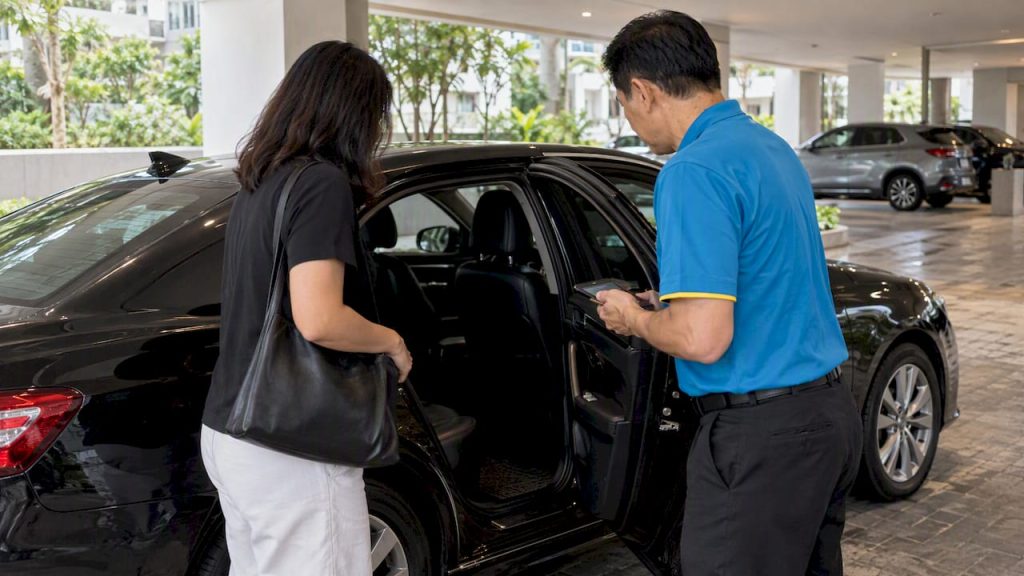
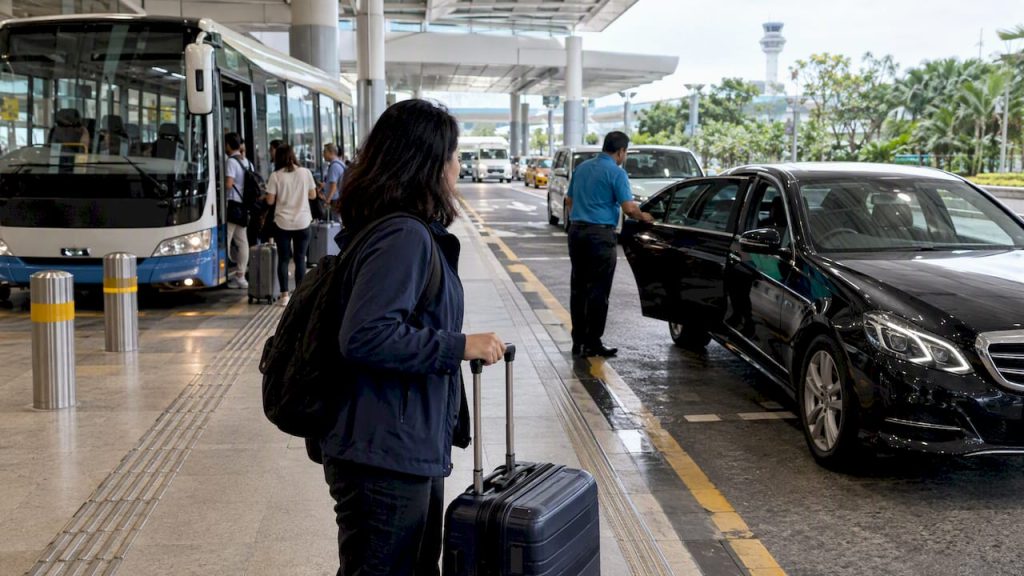
- Private cars: Likely candidates for automated in-car clearance lanes where available. Keep your passport and vehicle registration within reach rather than in the boot.
- Chauffeured transfers: Professional drivers typically prepare a passenger list and company registration paperwork in advance, which speeds up any officer query about the vehicle’s purpose or occupants.
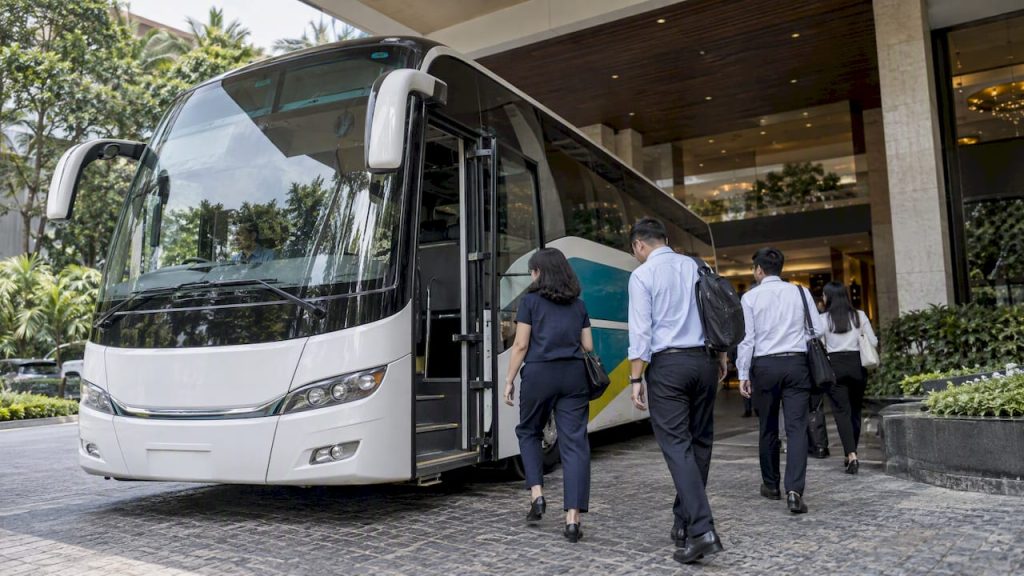
- Buses and coaches: Passengers usually need to alight to clear immigration individually, though a group QR code and a printed manifest can shorten the counter process considerably.
- Motorcycles: Generally use dedicated motorcycle lanes, faster than car lanes but with less flexibility if a passport needs manual inspection.
- Commercial vehicles and lorries: Expect additional customs steps beyond standard passport checks, particularly if you’re carrying goods that require declaration.
What documents do you need for Second Link clearance?
Sort this before you leave home, not at the booth.
- Passport with sufficient remaining validity. Check both Singapore exit and Malaysian entry requirements, since expiry margins can trip up travellers who assume “a few months left” is automatically enough.
- MDAC submission for non-exempt travellers, completed within three days before arrival; Singapore citizens don’t need this, but everyone still needs a passport.
- Visa or e-visa, if your nationality requires one for Malaysia entry.
- Vehicle registration, insurance and driver’s licence, plus any charter or hire paperwork if you’re not driving your own vehicle.
- Group manifest, printed or screenshotted, if you’re travelling under a single group QR code.
Pro Tip: Keep a paper copy of everything digital. A dead phone, a corrupted QR code, or a scanner outage shouldn’t be the reason your whole group is stuck at the counter.
What happens when the QR system fails or the checkpoint is busy?
Digital systems glitch. When that happens, the fallback is always the manual counter, and it’s not a downgrade, it’s simply how the checkpoint was designed to work before QR existed at all.
Common reasons you’ll end up in a slower queue:
- System outages, which Bernama has reported happen periodically enough that travellers should always be ready to revert to manual processing.
- Peak holiday traffic, particularly around long weekends and school holidays on both sides of the border.
- Random inspections, which can apply even to travellers who are otherwise QR-eligible.
Two practical moves reduce your wait. Travel outside peak hours where your schedule allows, since congestion at land checkpoints shifts noticeably by time of day. And if you’re managing a group, a corporate itinerary, or simply don’t want to gamble on system uptime, a private transfer that already accounts for lane selection and timing removes most of this uncertainty entirely.
Pro Tip: If you hit a queue that isn’t moving, don’t jump lanes hoping for a faster one; officers often redirect traffic based on real-time counter capacity, and switching lanes yourself can cost more time than it saves.
Why a chauffeured transfer changes the Second Link experience
Coordinating a Second Link crossing for a family, a coach party, or a corporate itinerary is a logistics problem as much as an immigration one. Someone has to manage the passenger list, pick the right lane, and time the departure to dodge peak congestion, and getting any one of those wrong means everyone in the vehicle waits.

Drivers who cross the border regularly for Klertransport register their vehicles with the operator and keep company paperwork ready, which shortens officer queries considerably. For large groups or executives on a tight schedule, that preparation is the difference between a smooth handover and a stalled queue at Tuas. It’s especially worth arranging when you’re moving a coach group that would otherwise need everyone to alight individually, or when a corporate itinerary simply can’t absorb an unpredictable delay.
Book a chauffeured crossing through the Second Link
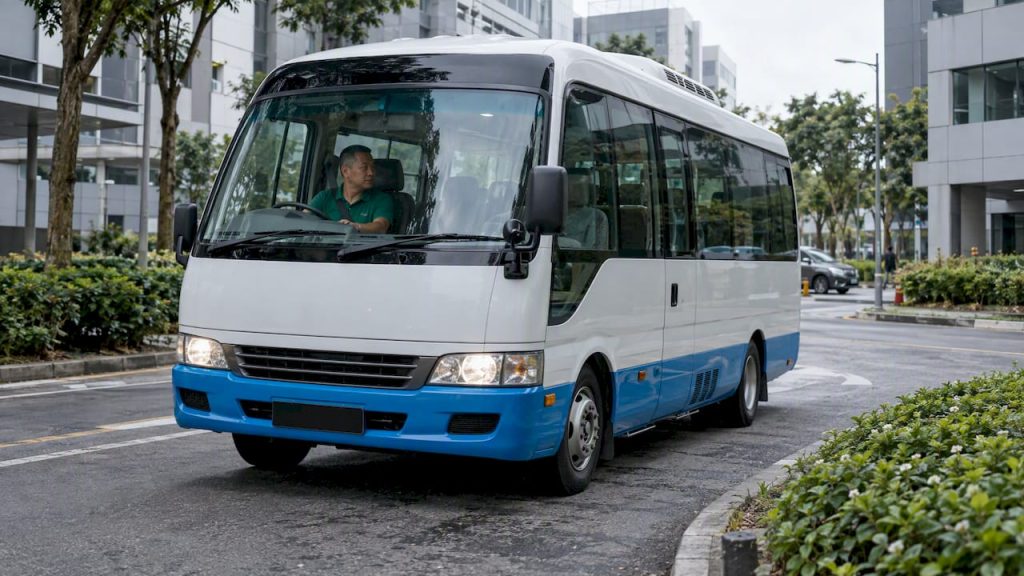
If you’d rather not manage QR eligibility, lane choice and passenger manifests yourself, Klertransport arranges cross-border transfers between Singapore and Malaysia, including routes through Johor and Malacca via the Second Link. The fleet covers sedans for individual travellers, MPVs for families, and minibuses or coaches for larger groups, with drivers experienced in the checkpoint’s practical quirks rather than just its official rules. If your trip involves a coach group or time-sensitive corporate schedule, arranging a private cross-border transfer beforehand removes most of the guesswork from the crossing itself.
Where to check the latest Second Link rules
- ICA’s checkpoint guidance for QR clearance rules at Tuas.
- The High Commission of Malaysia’s entry requirements page for MDAC and visa rules.
- MHA’s parliamentary reply on counter capacity at Woodlands and Tuas.
Sources
- ICA – Our checkpoints
- High Commission of Malaysia in Singapore – Entry requirements for foreigners
- Use of QR code for immigration clearance at Woodlands and Tuas checkpoints — ICA
- MHA – Written reply to parliamentary question on number of immigration counters at Woodlands and Tuas