For a predictable door-to-door trip from Singapore to Kuala Lumpur, book a licensed chauffeur operator running Vehicle Entry Permit (VEP)-registered vehicles that gives you a fixed, itemised quote before you travel. This suits corporate groups heading to a conference, families who don’t want to manage border paperwork, and event planners moving a whole team at once.
- Journey time: typically 4 to 6 hours door-to-door, depending on which crossing your driver takes and how busy it is on the day
- Who it suits: groups, families, corporate travellers, and anyone who values a fixed price over a cheap one
- What to demand: written quote, VEP compliance, and a driver who monitors both checkpoints in real time
Border queues, not motorway traffic, are what actually decide whether you arrive on time.
Key Takeaways
A compliant, fixed-quote chauffeur transfer removes the legal and financial guesswork from crossing between Singapore and Kuala Lumpur.
| Point | Details |
|---|---|
| Verify legal authorisation first | Confirm the operator holds a licensed cross-border permit; private-hire cars cannot legally run this route. |
| Check VEP and Autopass status | Ask for evidence the vehicle carries a valid Vehicle Entry Permit before booking. |
| Get a fixed, itemised quote | Insist tolls, ERP, fuel, and driver return costs appear as separate line items in writing. |
| Expect 4 to 6 hours door-to-door | Border queue conditions, not motorway speed, decide your actual arrival time. |
| Klertransport handles compliance | Klertransport offers VEP-compliant vehicles, fixed quotes, and a fleet sized for solo travellers through to full corporate groups. |
Table of Contents
- How does the Singapore to Kuala Lumpur route work?
- What permits and licences does a legal operator need?
- What should you ask before confirming a booking?
- How much should a Singapore to Kuala Lumpur transfer cost?
- What happens on transfer day, start to finish?
- Is your journey insured and how safe is the vehicle?
- Do reviews and reputation actually tell you anything?
- What happens at customs and immigration during the transfer?
- Why the safest choice is also usually the smartest one
- Book a private transfer to Kuala Lumpur with Klertransport
- Sources
How does the Singapore to Kuala Lumpur route work?
The drive covers a distance of approximately 350 kilometres, mostly on Malaysia’s North-South Expressway, and a car cruising at highway speed could theoretically do it in under four hours. Reality is messier, because every vehicle has to clear immigration and customs on both sides of the border first.
You’ve got two crossings to choose from, and the choice matters more than most travellers realise:
- Woodlands Causeway is the shorter route on paper but tends to back up badly during peak hours and holiday weekends
- Tuas Second Link adds a few extra kilometres of driving but often clears faster outside of school-holiday peaks
A chauffeur who tracks both checkpoints in real time and switches routes on the fly is doing the one thing that reliably shaves time off your journey. Fixed departure times from a self-drive plan can’t adapt to a sudden queue at Woodlands; an experienced operator reroutes before you even notice the delay.
What permits and licences does a legal operator need?
This is the part most travellers skip, and it’s the part that can leave you stranded at the checkpoint. Cross-border passenger transport in this corridor is regulated, not a free-for-all, and getting it wrong has consequences beyond inconvenience.
Three checks matter most:
- VEP and Autopass compliance. Any Malaysia-registered vehicle entering Singapore needs a valid Vehicle Entry Permit and an Autopass card, which covers entry fees and road tax obligations. A vehicle without current VEP registration risks being turned away or fined at the checkpoint, which is not a risk you want discovered mid-journey.
- Licensed point-to-point authorisation. The Land Transport Authority is explicit that cross-border point-to-point services are limited to licensed taxis and authorised operators. Private-hire cars, including the ride-hailing apps you use daily around Singapore, are not permitted to run this route for hire. Industry reporting confirms that any app-based liberalisation of this rule would need bilateral government approval first, so treat any app offering a cheap cross-border ride with real scepticism.
- Recent regulatory movement. A joint statement from Singapore’s Ministry of Transport and Malaysia’s Ministry of Transport, published 30 April 2026, confirmed enhancements to the cross-border taxi scheme, including expanded vehicle quotas and operating areas. That’s good news for capacity, but it doesn’t change the core rule: only licensed operators can legally carry you across.
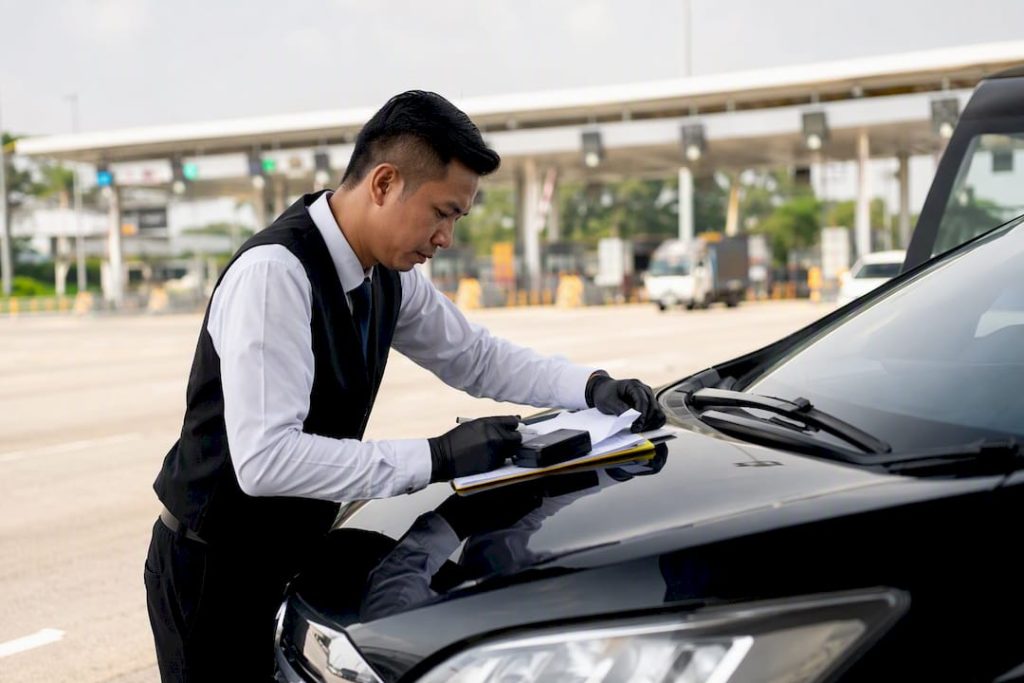
Ask any operator to show their cross-border licence and current VEP registration before you hand over a deposit. A legitimate company will produce these without hesitation.
What should you ask before confirming a booking?
Treat this like hiring a contractor, not booking a taxi. A five-minute conversation before you pay saves you from every common horror story travellers share about this route.
- Request a fully itemised fixed quote that names fuel, ERP charges, North-South Expressway tolls, and the driver’s return trip cost separately. Vague round numbers are where hidden fees hide.
- Confirm the exact vehicle model, seating configuration, and boot capacity against your group size and luggage. A minibus quote means little if it can’t fit six large suitcases.
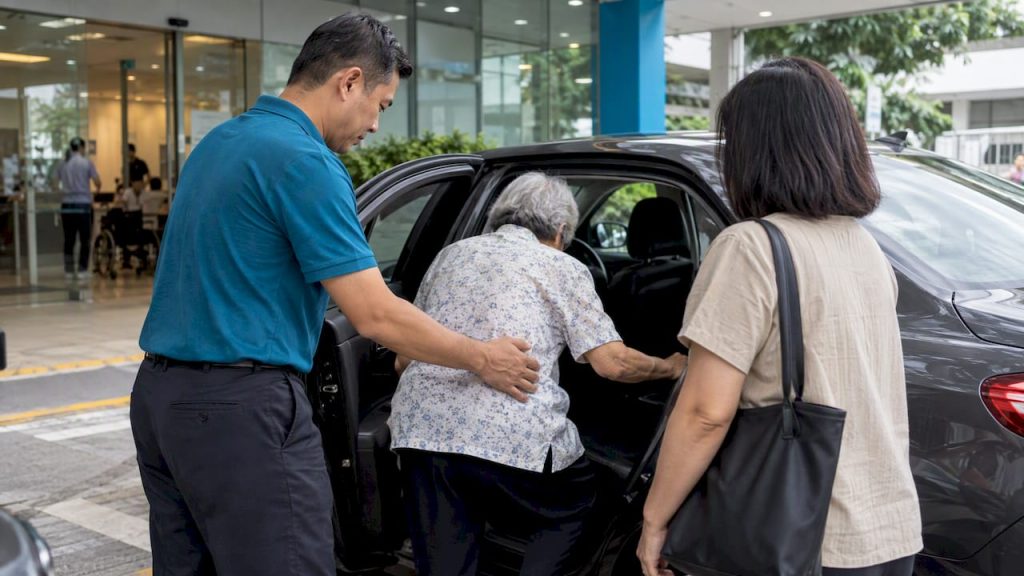
- Ask directly whether child seats are available and fitted correctly, if travelling with young children.
- Verify the driver’s licence class and confirm they’re comfortable working in both English and Bahasa Malaysia, useful at checkpoints and hotel drop-offs alike.
- Ask what happens if the border queue runs long: does the driver absorb the delay, or does waiting time get billed separately?
- Get the cancellation policy and payment terms in writing, including how extra driving time beyond the quoted hours is charged.
Pro Tip: Ask the operator specifically which Autopass card they use for the vehicle and how exit and entry fees are settled. A company that answers this instantly has clearly done this crossing many times before.
How much should a Singapore to Kuala Lumpur transfer cost?
Pricing for this route generally follows one of two structures. A fixed trip quote covers pickup to drop-off at a set price, ideal if your schedule is fixed and you want zero surprises. A per-hour charter suits itineraries with stops along the way, such as a lunch break in Malacca, but only works if you trust the operator not to pad the clock.
Broad price bands vary by vehicle class:
- Sedans sit at the lower end, suited to one or two passengers with light luggage
- MPVs cost more but fit families or small groups with more bags
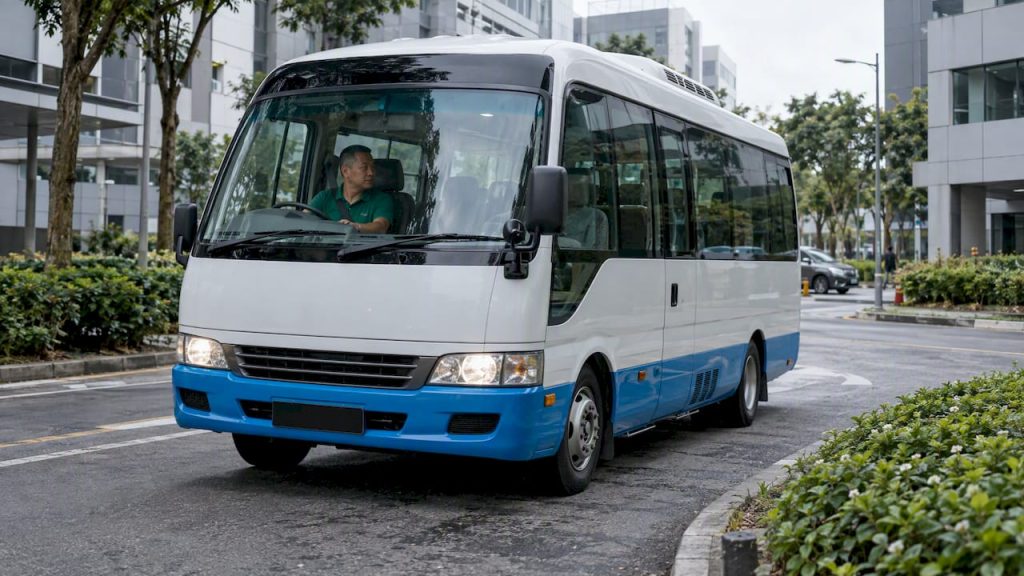
- Minibuses step up again, built for corporate teams of six to ten
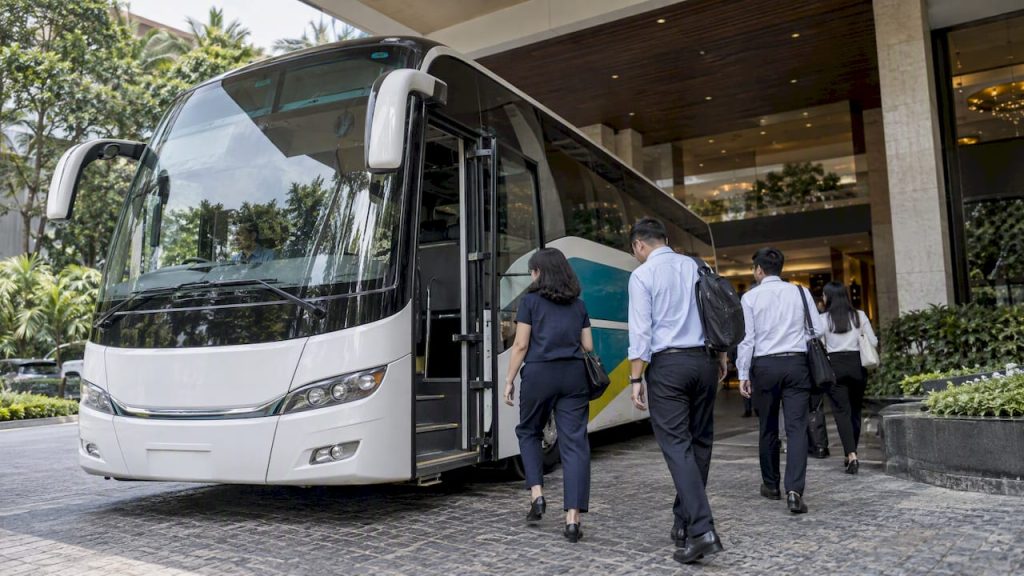
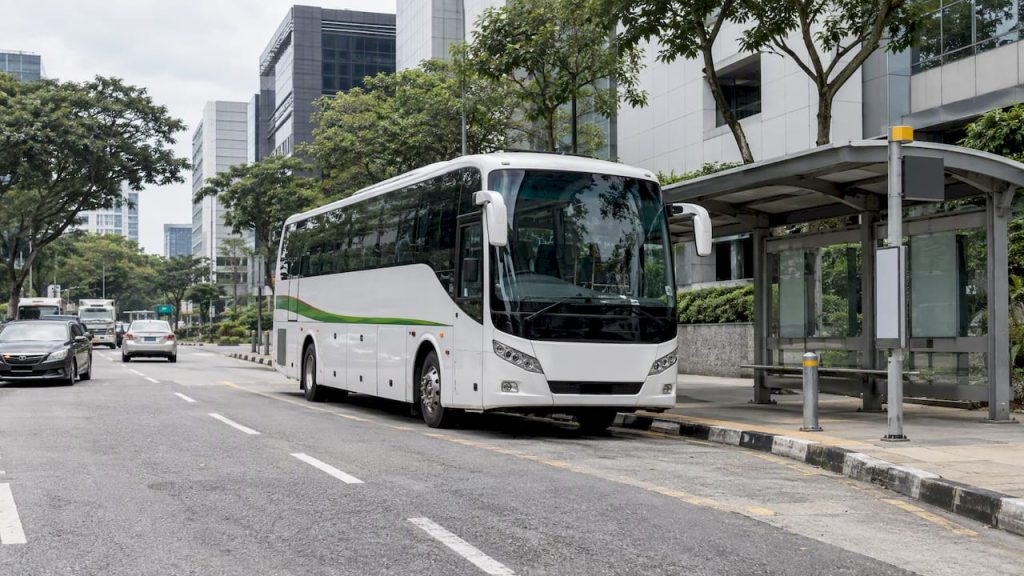
- Coaches are priced highest, reserved for larger event groups or conference transfers
Whatever the vehicle, your quote should already include tolls, ERP charges, fuel, and the driver’s return journey. What it might not include, unless you ask, is parking at your destination or extended waiting time if plans shift. Most operators ask for a deposit to confirm the booking, with the balance settled on the day or before departure.
What happens on transfer day, start to finish?
A typical Singapore to Kuala Lumpur transfer runs a predictable shape, even though the exact minutes shift with border traffic.
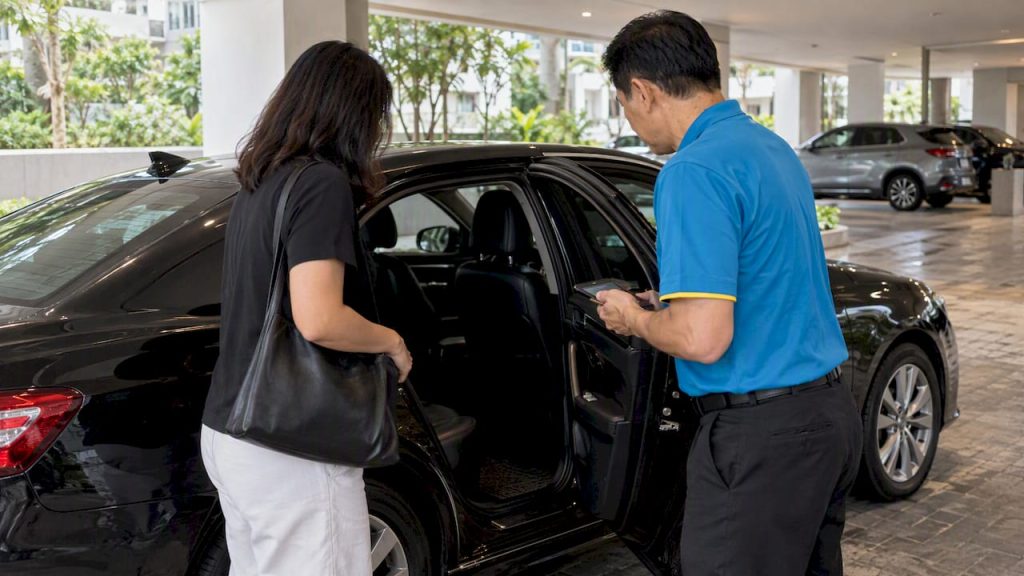
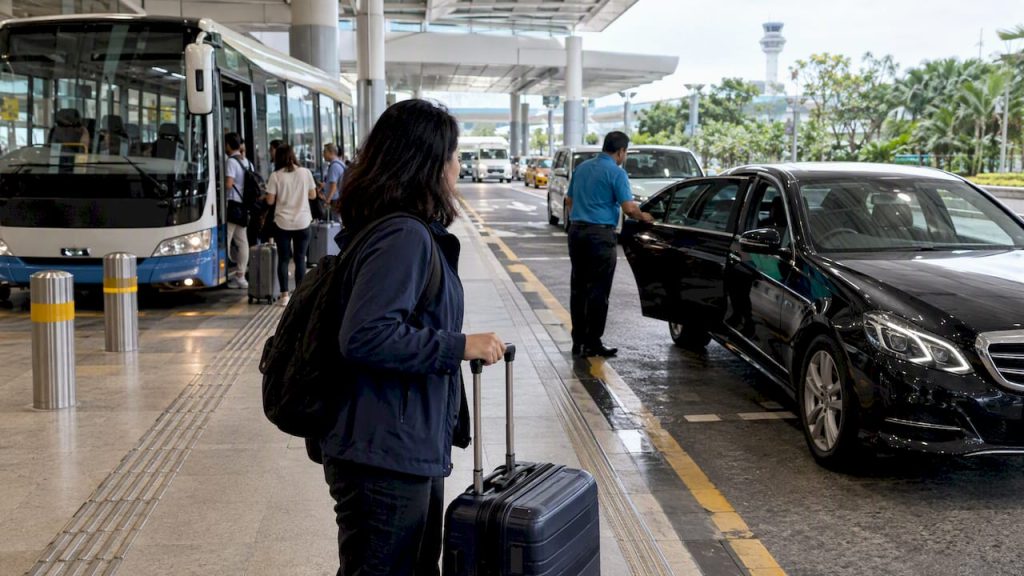
- Pickup at your hotel, office, or Changi Airport, usually with a short buffer built in for Singapore traffic.
- Border crossing, where your driver has already decided between Woodlands and Tuas based on live queue conditions.
- Highway leg on the North-South Expressway, roughly two to three hours of driving depending on the crossing used.
- Arrival at your Kuala Lumpur hotel or destination, with the whole trip typically landing in the 4 to 6 hour range door-to-door.
Keep your passport and any required visa documents easily accessible rather than buried in checked luggage, since you’ll need them at both checkpoints. Share your driver’s mobile number with your group so everyone can coordinate if the party splits at a rest stop. For a journey this long, a proper break around the halfway point helps more than pushing straight through, and most professional drivers will suggest one without being asked. If a checkpoint delay hits, a good operator messages you directly rather than leaving you guessing in the back seat.
Is your journey insured and how safe is the vehicle?
Ask this before you book, not after something goes wrong. A licensed cross-border operator should carry commercial insurance covering passengers for the full length of the journey, including the time spent queuing at immigration, not just the highway driving portion.
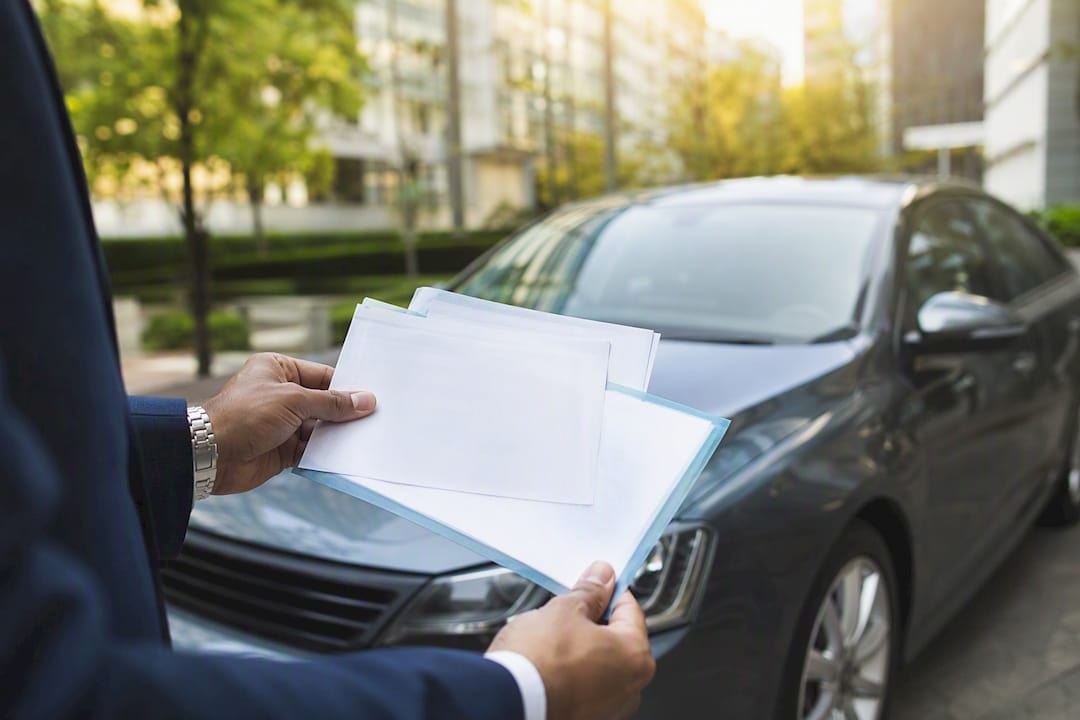
Request confirmation that the specific vehicle assigned to your booking has valid road tax and a current certificate of insurance. Checkpoint officers occasionally request these documents, and a driver who can’t produce them on the spot creates a delay that’s entirely avoidable. Vehicles running commercial cross-border routes also tend to see more frequent servicing than private cars, given the daily mileage, so ask when the vehicle was last inspected if that matters to you.
Basic safety habits still apply on a 4 to 6 hour drive: seatbelts for every passenger, correctly fitted child seats confirmed in advance, and a driver who takes a break rather than pushing through fatigue on a long highway stretch. None of this is exotic. It’s the same standard you’d expect from any professional transport booking, just applied to a route that crosses an international border.
Do reviews and reputation actually tell you anything?
Yes, but read them for the right signals. A pattern of reviews mentioning punctuality, clean vehicles, and drivers who communicated proactively about delays tells you far more than a star rating alone. Look specifically for mentions of cross-border trips rather than local Singapore transfers, since the two services demand different skills.
Repeat corporate bookings are a strong signal too. A company that regularly moves the same business clients to Kuala Lumpur has almost certainly ironed out the border-crossing kinks that catch first-time operators off guard. If a provider’s reviews consistently mention drivers who spoke confidently to checkpoint officers and kept passengers informed during queues, that’s a far more useful data point than a generic five-star average with no detail behind it.
Be equally alert to what’s missing. An operator with no reviews mentioning Malaysia at all, only Singapore airport runs, may be strong domestically but untested on this specific corridor.
What happens at customs and immigration during the transfer?
Every passenger clears immigration on foot or through the vehicle lane at both the Singapore checkpoint and the Malaysian counterpart, depending on the crossing and current procedures at the time. Your chauffeur handles the vehicle-side paperwork, including VEP and Autopass verification, while you handle your own passport and any visa requirements.
Keep passports in hand, not packed away, for both stops. Declare anything requiring customs declaration honestly, particularly if travelling with commercial goods or event equipment for corporate trips. The process is routine for a professional operator who does this crossing regularly, but it still requires every passenger to be present and alert, not asleep in the back seat with a passport buried somewhere in a suitcase.
Why the safest choice is also usually the smartest one
The instinct with cross-border trips is to hunt for the cheapest option and hope it works out. That instinct is backwards here. This route has a hard legal boundary, private-hire cars simply cannot run it for hire, so the “cheap alternative” travellers sometimes find through an app isn’t a bargain. It’s a booking that may not legally exist.
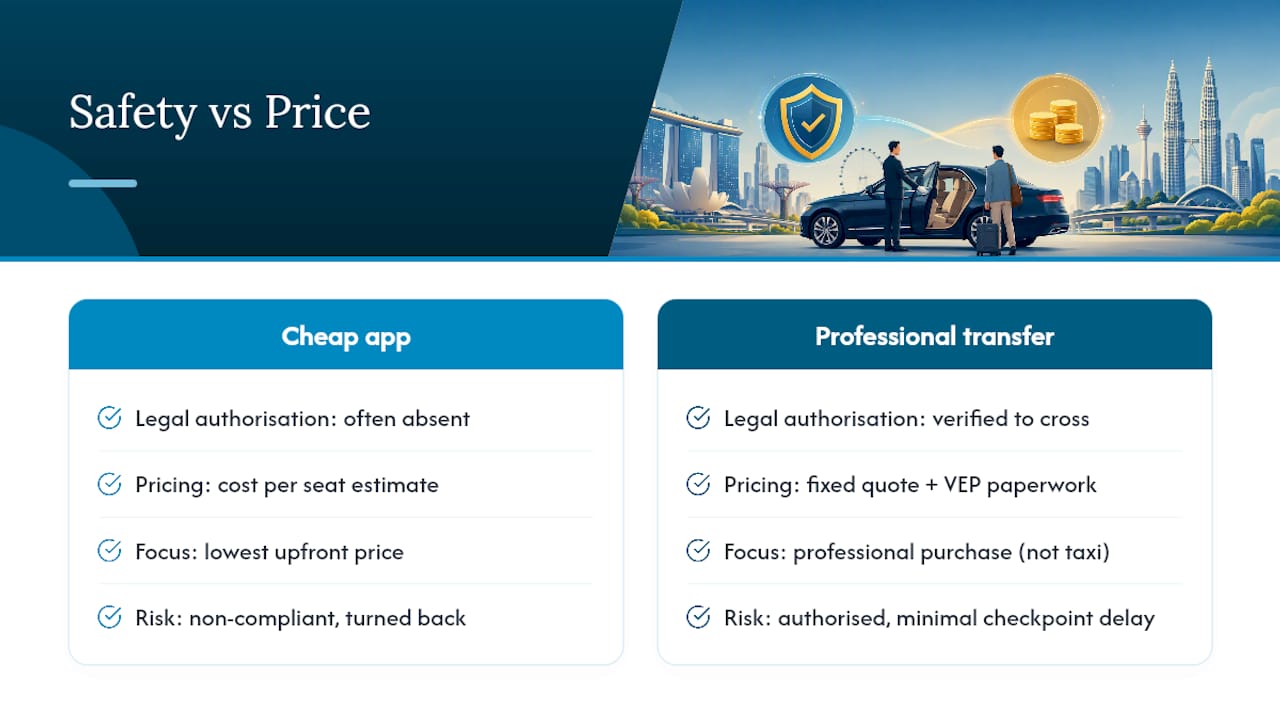
What the research actually supports is treating this transfer as a professional purchase, not a taxi ride. That means prioritising the fixed quote and the VEP paperwork before comparing prices. Conventional advice tends to focus entirely on cost per seat, which misses the bigger risk: a non-compliant vehicle turned back at the checkpoint costs you far more in delay and stress than the small savings promised upfront.
If there’s one thing to get right first, it’s verifying the operator’s legal authorisation to cross the border at all. Everything else, vehicle comfort, driver friendliness, exact pricing, matters far less than that single check.
— Gurdip
Book a private transfer to Kuala Lumpur with Klertransport
Klertransport is the straightforward alternative to hunting through apps and informal drivers for a trip that legally requires a licensed operator. You get a fleet built for exactly this route, from sedans for a couple travelling light to minibuses and coaches for corporate teams and event groups who need everyone moving together.
Every quote from Klertransport is fixed and itemised before you travel, covering fuel, ERP, North-South Expressway tolls, and driver return costs, so the number you agree to is the number you pay. VEP compliance and real-time border monitoring are handled on the operational side, meaning your driver adjusts between Woodlands and Tuas based on live conditions rather than a fixed plan that ignores the queue in front of it. Punctuality and professionalism have earned Klertransport strong client feedback from corporate travellers and families alike who wanted the border-crossing logistics handled without guesswork.
If you’ve got a date in mind, request a fixed quote for your Singapore to Kuala Lumpur transfer and get your vehicle and pricing confirmed in writing before you commit.
Sources
- Joint statement by the Ministry of Transport, Singapore and Ministry of Transport, Malaysia on the enhancements to cross‑border taxi scheme
- LTA | Cross‑border services
- Onemotoring — bringing Malaysia‑registered vehicles into and out of Singapore