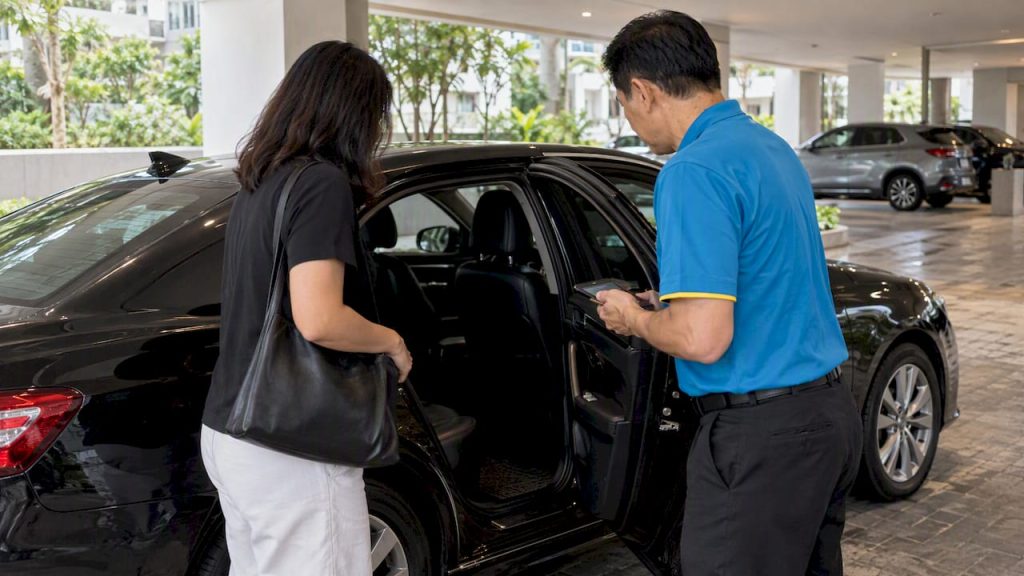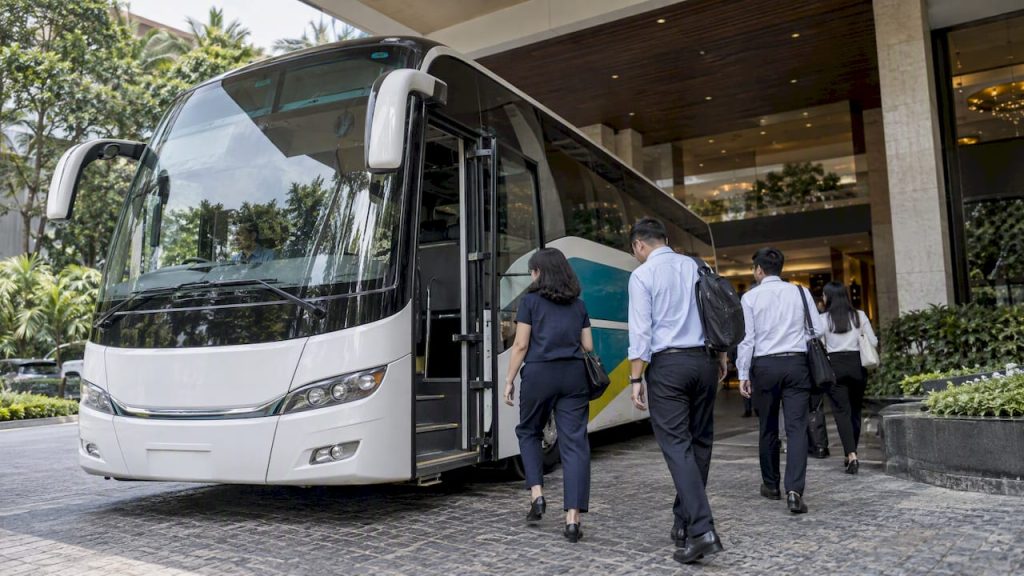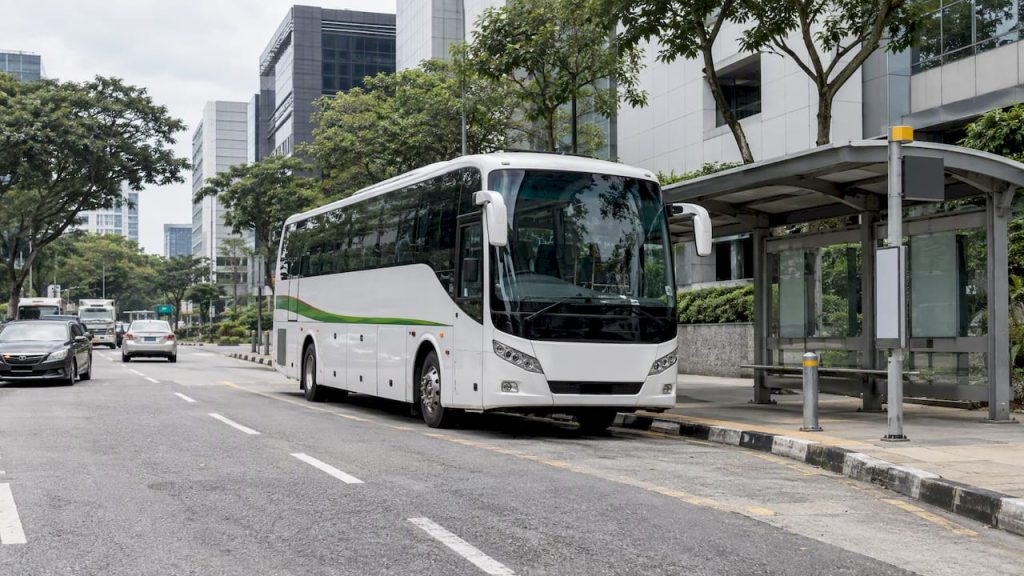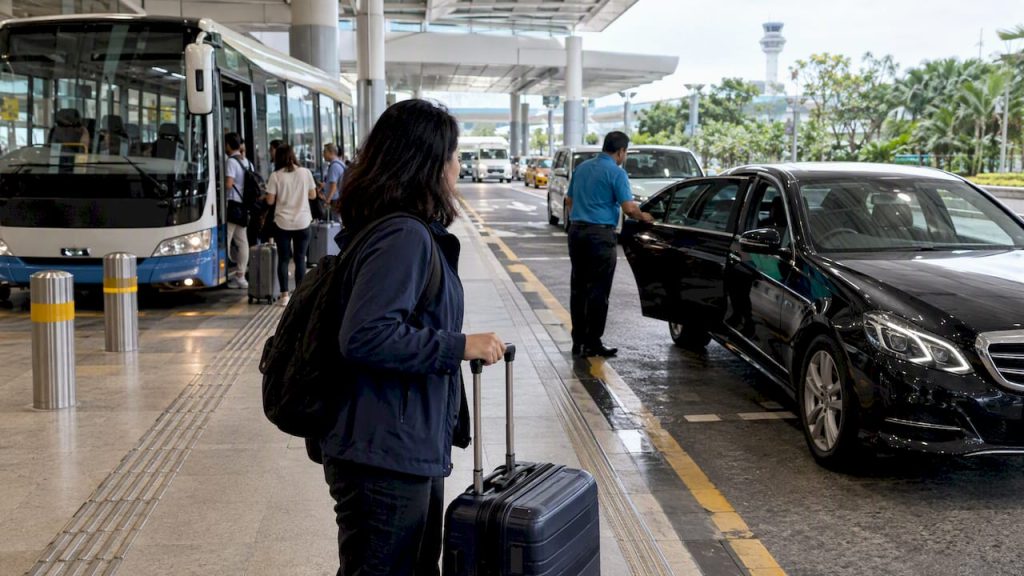
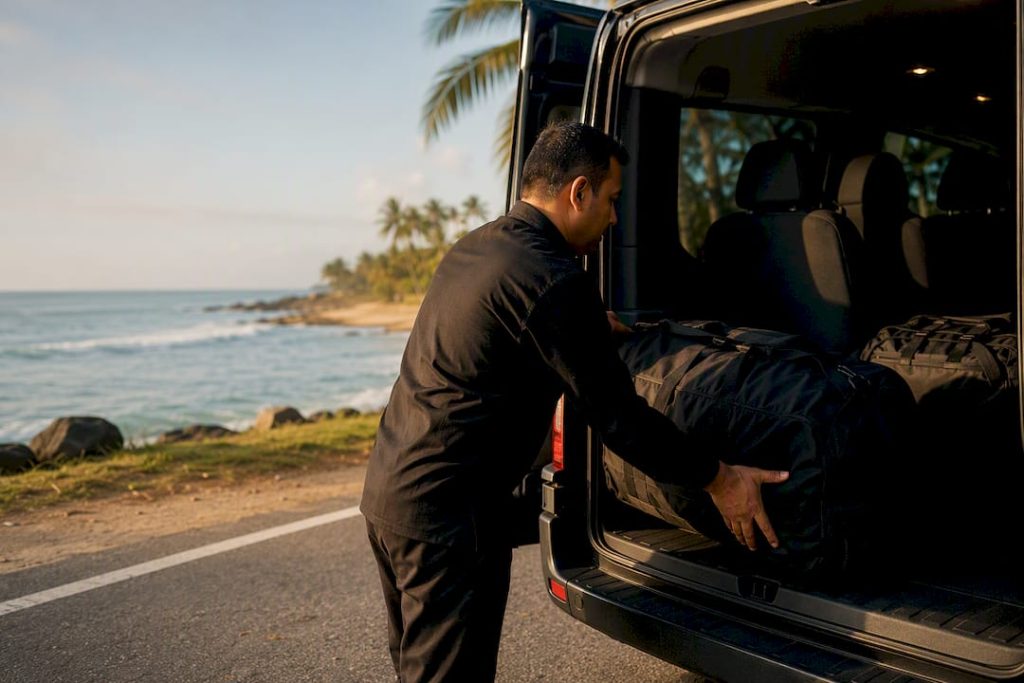
The simplest reliable way to reach Mersing Jetty from Singapore is a private chauffeured transfer timed against your ferry departure. Send your provider the pickup address, ferry time, passenger count and luggage details, and ask for a firm quote. Kler Transport runs this route directly and can confirm pricing once it has those details.
TL;DR:
- Exact pickup details, ferry departure times, passenger information, and luggage specifics are critical for accurate quotes and vehicle allocation.
- Allow at least three-quarters of an hour before ferry departure to reach the jetty, with earlier departures requiring even more buffer time and potential surcharge.
- Cross-border travel paperwork includes Singapore’s SG Arrival Card, VEP RFID registration, and vehicle fuel requirements, which require proper management to avoid delays.
- Suitable vehicle choices depend on group size and luggage, with sedans for up to three people, MPVs for four to seven, and minibuses for larger groups or bulky equipment.
- Booking a private chauffeur simplifies crossing formalities, especially for early or luggage-heavy runs, and ensures timely pickup, checkpoint handling, and less stress.
Table of Contents
- What to tell Kler Transport when booking your Singapore to Mersing transfer
- How long does the drive from Singapore to Mersing actually take?
- Immigration and vehicle rules that affect your cross-border transfer
- Which vehicle suits your group size and luggage
- What does a Singapore to Mersing transfer typically cost?
- Why a private chauffeur changes the whole Mersing run
- Book your Kler Transport chauffeur to Mersing Jetty
- Sources
What to tell Kler Transport when booking your Singapore to Mersing transfer
A vague enquiry gets you a vague quote. Getting the price and vehicle right the first time means giving a provider exact figures before they can commit a driver to your slot, so treat the booking message like a mini brief rather than a chat.
Here’s what actually moves the needle on accuracy:
- Pickup address and time window. State your exact address and whether you have flexibility on pickup time, plus a preferred meeting point if you’re coming from a condo or hotel with restricted vehicle access.
- Ferry departure time and terminal. Give the exact sailing time and operator if you know it. This single detail decides everything else about your schedule.
- Full passenger list with ages. Child seats, mobility needs and headcount all affect which vehicle fits your group.
- Luggage and equipment counts. Dive tanks, surfboards, and bicycles need to be flagged separately from ordinary suitcases, since they change the vehicle class required.
- Waiting or return instructions. Say whether the driver needs to wait at the jetty, do multiple pickups, or simply drop and go.
- A live contact number. WhatsApp works best for day-of coordination if your ferry gets delayed or brought forward.
- Payment preference. Confirm whether you need a formal receipt or invoice, particularly for corporate bookings.
Pro Tip: Send your booking details as a single message rather than a back-and-forth thread. Providers price faster and more accurately when they can see the whole job at once, and you’re less likely to get a quote that misses your luggage or headcount.
How long does the drive from Singapore to Mersing actually take?
The Mersing distance from Singapore is roughly 130 kilometres, and the drive itself runs close to three hours door to door via the Tuas Second Link onto the Senai-Desaru Expressway. That figure assumes normal traffic. Add half an hour on a Saturday morning, during school holidays, or around Malaysian and Singaporean public holidays when checkpoint queues lengthen noticeably.
Jetty operators generally want passengers arriving a recommended arrival buffer of about three-quarters of an hour to an hour before departure to handle ticketing, marine park fees, and boarding. Work backwards from your ferry time and you get a fairly reliable pickup window:
- Ferry departs 8:30 AM — arrive at the jetty by 7:45 AM, which means leaving Singapore by roughly 4:45 AM to absorb checkpoint variability.
- Ferry departs 10:00 AM — jetty arrival by 9:15 AM, so a 6:15 AM pickup gives comfortable buffer without an unreasonably early start.
- Ferry departs 1:00 PM — a 10:00 AM pickup covers midday traffic on the expressway, which tends to be lighter than the dawn rush at Tuas.
Early ferries are the trickiest to plan around. Most morning sailings to Tioman cluster near the earlier end of the day, which pushes pickups into the small hours. Some providers apply a modest surcharge for pickups before 5:00 AM, so ask about this upfront rather than discovering it on your invoice.
Immigration and vehicle rules that affect your cross-border transfer
Crossing into Malaysia by road involves paperwork that has nothing to do with your driver’s skill and everything to do with government systems on both sides. Getting this wrong costs time at the checkpoint, not money, but a delay here can mean missing your ferry.
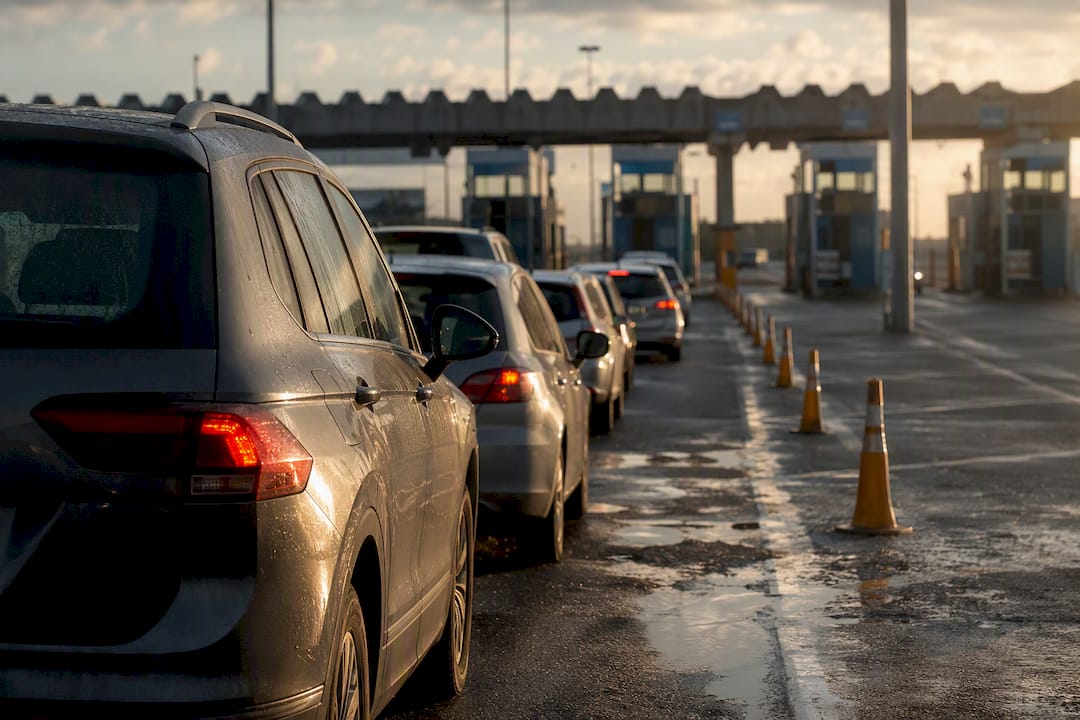
Every traveller entering Singapore must submit the SG Arrival Card within three days before arrival, including the electronic health declaration it now carries. This matters more for your return leg than your outbound one, but it’s worth checking before you travel either direction since immigration officers will ask for it.
At the Woodlands and Tuas checkpoints, many travellers can now clear immigration using a a QR code generated via the MyICA mobile app instead of presenting a physical passport at every lane. First-time foreign visitors and a handful of other categories are excluded, so passports still need to be on hand regardless.
On the vehicle side, Singapore-registered cars leaving via land checkpoints must carry at least a a substantial amount of fuel in the vehicle’s tank, and vehicles entering Malaysia fall under vehicle entry permit requirements with RFID registration handled through Malaysia’s VEP system. A professional cross-border operator manages this as routine, but it’s the reason a casual rental car or ride-hail booking often can’t do this trip legally.
Your day-of checklist:
- Passports for every occupant, including children
- Proof of onward travel if requested at the checkpoint
- Confirmation of who hands passports to the driver versus who presents their own
One practical note worth remembering: a recommended arrival buffer of about three-quarters of an hour to an hour is the jetty’s own recommended arrival buffer, and it’s the number your entire pickup schedule should be built around.
Which vehicle suits your group size and luggage
Matching the vehicle to your party avoids the two most common headaches on this route: arriving with bags that don’t fit, or paying for space you didn’t need.
- Sedans suit one to three passengers travelling light, typically weekend trips with a single carry-on each.
- MPVs handle four to seven people comfortably, and they’re the natural choice once dive bags, snorkelling gear, or a couple of hard-shell suitcases enter the picture.
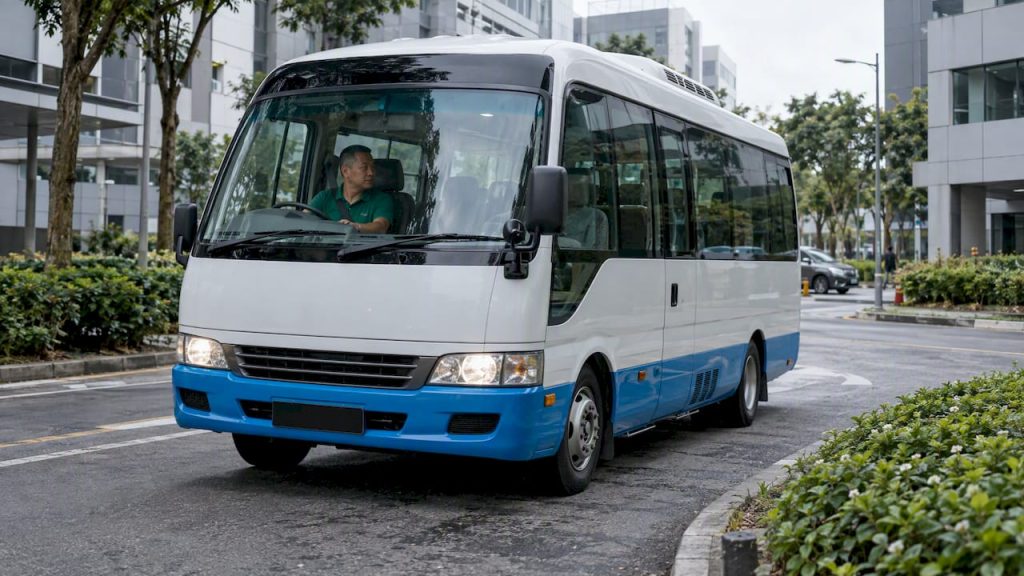
- Minibuses (10 to 13 seats) fit larger family groups or small dive clubs, particularly when tanks or bulky equipment need dedicated space rather than being wedged between seats.
Bulky kit changes the calculation even for smaller groups. A party of three with full dive equipment often needs an MPV’s boot space rather than a sedan’s, and some providers apply a small surcharge for oversized items like surfboards or bike cases, so mention these when you enquire.
Comfort matters more than people expect on a pre-dawn run. A higher-spec MPV with reclining seats makes a genuine difference when your group is trying to sleep through a 4:30 AM departure, and it’s usually worth the modest step up from a standard sedan for that reason alone.
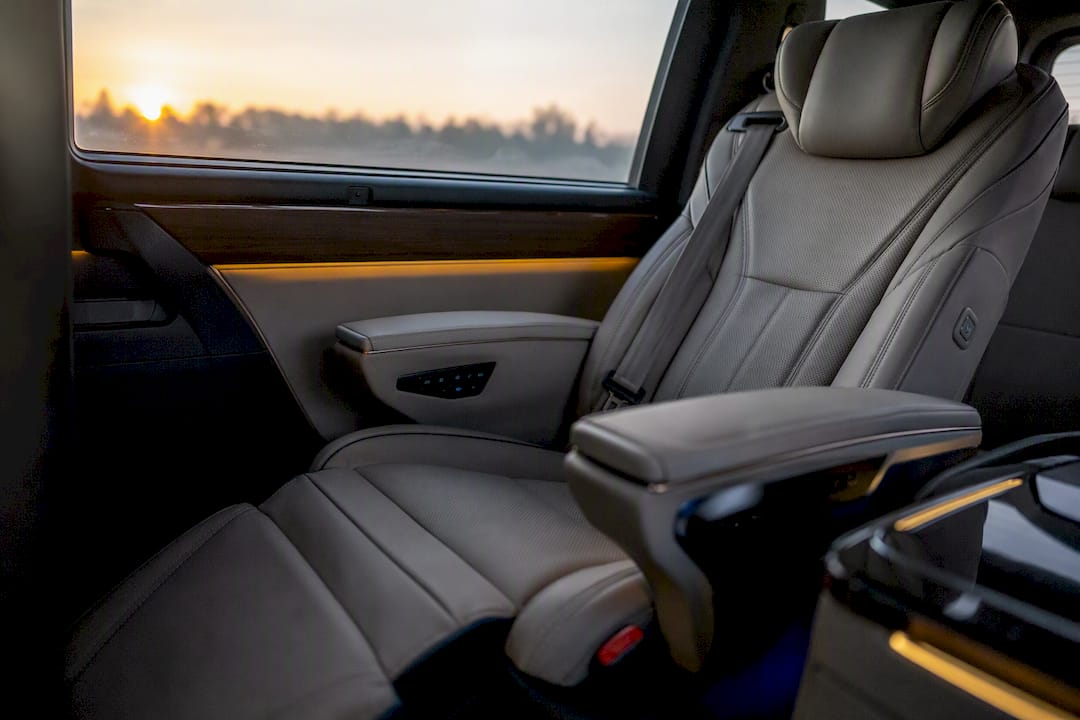
Kler Transport runs sedans, MPVs, minibuses and coaches across this route, which means groups don’t need to split across two bookings just because their headcount sits awkwardly between vehicle classes.
What does a Singapore to Mersing transfer typically cost?
Pricing on this route runs on a per-vehicle, one-way basis, and the range depends heavily on vehicle class, time of day, and how far in advance you book. Treat any figure you see online as a starting point for discussion rather than a fixed rate, since fuel costs, checkpoint conditions and vehicle availability all shift the final number. Always ask for a firm, itemised quote before confirming.
What’s usually included:
- The driver, fuel, and standard tolls
- Causeway or Second Link checkpoint clearance
- A reasonable waiting allowance at checkpoints
What’s commonly billed as extra:
- Extended waiting time at the jetty beyond the agreed window
- Additional stops along the route
- Late-night or pre-dawn surcharges
- Jetty parking fees where applicable
Book at least 48 hours ahead where possible. Cross-border scheduling and vehicle paperwork both need lead time, and last-minute bookings limit which vehicles are available for your slot. Ask for confirmation in writing, ideally an itemised message over WhatsApp, so there’s no ambiguity about what the quoted price covers.
Why a private chauffeur changes the whole Mersing run
Coordinating a 4:30 AM pickup for a group weighed down with dive bags is a different logistical puzzle than booking a regular airport transfer, and it took a few early misfires to appreciate why. Public transport options don’t run at that hour, taxis won’t reliably wait through checkpoint queues, and a self-drive rental leaves someone in your group responsible for VEP paperwork they’ve likely never handled before.
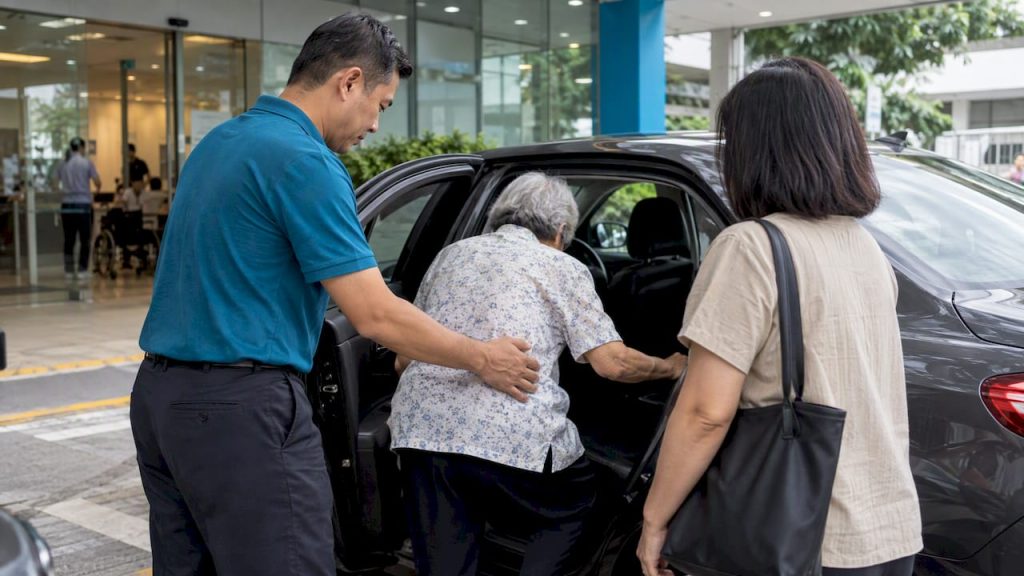
Families travelling with young children and older travellers benefit most from a chauffeur handling the border formalities, since it removes the one variable nobody wants to manage half-asleep at Tuas. Kit-heavy groups, particularly dive parties, gain the same relief simply from not having to Tetris tanks and fins into a hire car boot at dawn.
Kler Transport’s fleet spans sedans through to coaches, and its punctuality record and client feedback consistently point to the same thing travellers actually want from this route: a driver who shows up on time and handles the paperwork so you don’t have to.
— Gurdip
Book your Kler Transport chauffeur to Mersing Jetty
Kler Transport is the practical alternative to piecing together a rental car, VEP paperwork and a taxi connection yourself, purpose built for travellers who’d rather hand the border-crossing logistics to someone who does it daily. The fleet covers sedans for light-packing pairs through to minibuses for dive groups hauling tanks, and every driver on the Mersing run handles checkpoint clearance and passport presentation as standard.
When you request a quote, ask Kler Transport to confirm tolls, Causeway clearance and driver-handled immigration in writing so there’s nothing to dispute on the day. Reputable providers also flag their rescheduling policy upfront, since ferry times shift and you’ll want flexibility built into your booking rather than a fixed, unmovable slot.
To lock in your transfer, message Kler Transport through its booking page with your ferry time, pickup address, and passenger and luggage counts, and request a firm, itemised quote before you confirm payment.
Sources
- Entering Singapore — Immigration & Checkpoints Authority (ICA)
- Road Traffic (Motor Vehicles, Registration and Licensing) Rules — Singapore statutory sources
- Guide to driving from Singapore to Malaysia — SingSaver
- Mersing jetty guide — Jumppy