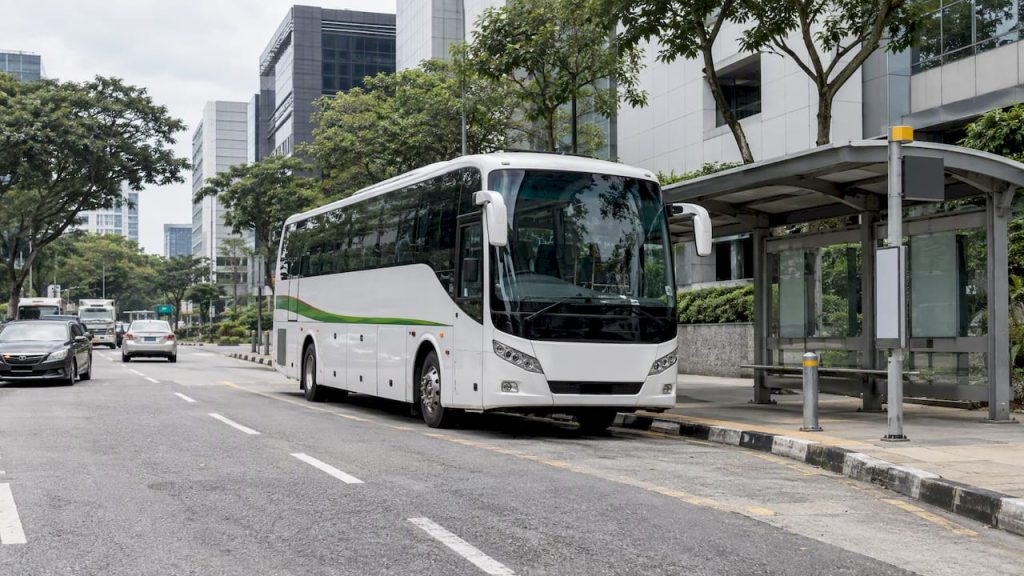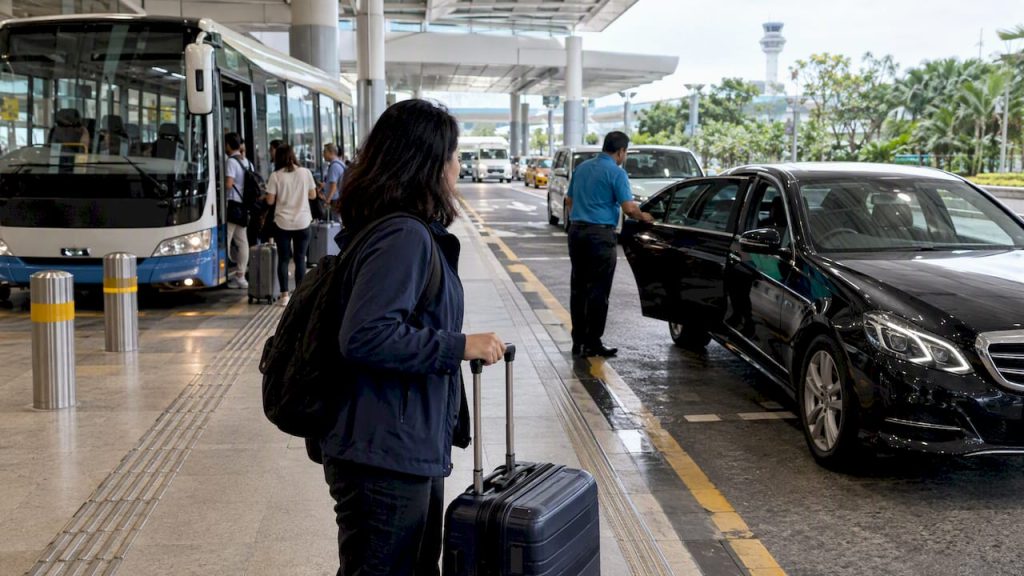

Drivers heading to Johor Bahru or beyond should generally use Tuas Checkpoint for peak-hour outbound trips, long hauls up the Malaysian expressway network and larger vehicles, while Woodlands Checkpoint remains the better call for public transport users, day-trippers heading into central JB, and anyone without a car. The right choice hinges on departure time, your destination cluster in Malaysia, and whether you’re relying on buses or trains, which is exactly what LTA and ICA data, plus operators like Klertransport, help you plan around.
TL;DR:
- Drivers heading to Malaysia should generally use Tuas Checkpoint for long-distance trips and outside peak hours to save time, despite higher tolls.
- Public transport users and short-trip travelers benefit most from Woodlands Checkpoint due to its proximity to JB Sentral and better connectivity.
- Peak traffic patterns favor Tuas in weekday mornings and Friday nights, but queues can fluctuate based on lane staffing and Malaysian counter openings.
- The choice depends on destination, transport mode, toll costs, and real-time traffic trends, with trend charts preferred over camera snapshots.
- Booking a chauffeured transfer eliminates crossing decisions entirely, offering real-time optimization and reducing wait times for groups or corporate travelers.
Table of Contents
- Woodlands vs Tuas checkpoint: the quick comparison
- Where is Woodlands checkpoint and what should you expect on approach?
- Where is Tuas checkpoint and what should you expect on approach?
- When does each checkpoint actually win on traffic and wait times?
- What costs and documents should you prepare before crossing?
- Which checkpoint suits drivers and long-distance road trips best?
- Which checkpoint works best if you’re not driving?
- A quick decision framework you can apply right now
- How a chauffeured transfer removes the decision entirely
- How have Woodlands and Tuas checkpoints evolved over the years?
- Why does one checkpoint sometimes process traffic faster than the other?
- What transport and parking options exist near each checkpoint?
- What actually decides the choice between these two checkpoints?
- Let Klertransport handle the crossing decision for you
- Sources
Woodlands vs Tuas checkpoint: the quick comparison
Before diving into detail, here’s how the two crossings stack up on the basics that decide most journeys.
- Woodlands Checkpoint sits in the north, feeds directly into JB Sentral and central Johor Bahru, tends to run busier on weekday mornings and Sunday evenings, has strong public transport links, and suits city-centre day trips and bus or train travellers best.
- Tuas Checkpoint sits in the west, connects to Gelang Patah and Iskandar Puteri via the Second Link, generally sees lighter queues outside specific peak windows, has almost no public transport presence, and suits drivers heading north or on long-distance runs.
- Toll difference: Tuas typically carries a higher Singapore-side toll than Woodlands, so the trade-off is straightforward. Pay more at Tuas for a often-quicker crossing, or save at Woodlands and accept more variable queueing.
Where is Woodlands checkpoint and what should you expect on approach?
Woodlands Checkpoint sits at 21 Woodlands Crossing, reached via the BKE or SLE, and it’s the checkpoint most Singaporeans picture when they think of “the Causeway.” It’s worth noting this is the road checkpoint for cars, motorcycles and coaches. The separate Woodlands Train Checkpoint handles KTM Shuttle Tebrau passengers with its own queuing process, so don’t confuse the two if you’re booking rail travel.
Cross at Woodlands and you land close to JB Sentral, putting you within easy reach of JB’s city centre, shopping malls and food streets almost immediately. That proximity is precisely why short trips and day visits favour this route. The checkpoint runs 24 hours, as ICA confirms, with multiple car and bus counters, though counter capacity can strain hard during commuter surges.
Where is Tuas checkpoint and what should you expect on approach?
Tuas Checkpoint, at 501 Jalan Ahmad Ibrahim, connects via the AYE and PIE onto the Second Link, Singapore’s western crossing built specifically to spread Causeway traffic. It’s also a 24-hour facility under ICA’s checkpoint network.

Crossing here drops you near Gelang Patah and Iskandar Puteri, which sits awkwardly for a JB city trip but works brilliantly if you’re continuing north on Malaysian expressways toward Melaka, Kuala Lumpur or beyond. Tuas has benefited from added automated lanes and generally wider lane layouts, a point several Singapore travel guides highlight when comparing the driving experience. Fewer motorcycles, fewer buses, and a more spread-out lane arrangement make it feel noticeably calmer to drive through, even when it’s technically busy.
When does each checkpoint actually win on traffic and wait times?
Traffic at both checkpoints follows patterns predictable enough to plan around, provided you know what to look for.
- Weekday mornings (6:30 to 9:30am): Tuas frequently wins because outbound commuter traffic clogs Woodlands’ approach roads and BKE feeder lanes, while Tuas’s wider lane setup absorbs volume more evenly.
- Friday evenings (5pm to 10pm): this is Tuas’s strongest window. CausewayTraffic’s benchmarking defines a “winner” as saving at least 15 minutes, and Tuas clears that bar on many Friday nights as weekend-bound traffic floods Woodlands.
- Saturday mornings: closer call, with both checkpoints seeing steady but manageable queues.
- Sunday evenings: Woodlands sometimes pulls ahead here, because Malaysian-side counters tend to open more lanes later in the day, which changes actual throughput even when the visible queue looks similar at both crossings.
Queues rarely form purely because of checkpoint processing. Expressway back-ups, factory shuttle-bus surges, and how many counters Malaysia’s side chooses to open all shape what you experience, meaning a checkpoint that looks “clear” on camera can still back up ten minutes later.
Pro Tip: Never trust a single camera snapshot. Check the live camera feeds and look at the trend, building, steady or clearing, rather than one frozen image, since queues can double in 20 to 40 minutes.
What costs and documents should you prepare before crossing?
Tuas generally costs more to cross by car on the Singapore side than Woodlands, a gap Motorist flags as the core trade-off between the two routes: pay more, save time, or pay less, accept some queueing risk.
Before you drive to either checkpoint, sort out:
- Passport valid for at least six months, plus your vehicle logcard.
- VEP (Vehicle Entry Permit) for Singapore-registered cars entering Malaysia, tagged via the RFID system.
- Touch ‘n Go card, topped up in advance, since Malaysian expressway tolls run on this system almost exclusively.
- Autopass card for Singapore-side toll and levy payments.
- ERP charges on approach roads during peak hours, factored into your total trip cost.
Which checkpoint suits drivers and long-distance road trips best?
If you’re driving north onto Malaysian expressways, whether that’s Melaka, Kuala Lumpur, or a multi-day road trip, Tuas is usually the smarter pick. The Second Link feeds directly onto northbound routes without threading through JB’s city streets first, which matters even more for coaches or convoys where manoeuvring through central Johor Bahru eats time and patience.
Woodlands still wins for quick, central JB access: shopping trips, a meal, a short visit. If your destination sits within a few kilometres of JB Sentral, there’s little reason to pay Tuas’s higher toll for a detour.
Motorcyclists get automated lanes at both checkpoints, but Tuas’s wider layout generally makes larger vehicles, coaches especially, easier and calmer to manoeuvre through.
Which checkpoint works best if you’re not driving?
Woodlands is the clear default for anyone without a car. Bus services, the KTM Shuttle Tebrau train, and the upcoming Johor Bahru to Singapore Rapid Transit System link all route through or near Woodlands, giving public transport users a genuine choice of onward connections once across.
Tuas offers almost nothing for non-drivers. Once you cross on foot or by bus there, last-mile options into Iskandar Puteri or Gelang Patah are limited, and you’ll likely need a pre-arranged pickup. Book bus or train tickets ahead during weekends and holidays, and choose a pickup point close to JB Sentral if you’re arriving by rail.
A quick decision framework you can apply right now
Cut the guesswork with this three-step routine before you leave the house:
- Check live cameras and trend charts roughly 30 minutes before departure, watching whether queues are building or clearing rather than reading one static image.
- Match your destination: central JB and public transport connections point to Woodlands; northbound expressway travel points to Tuas.
- Weigh the toll against the time saved: if the live trend suggests Woodlands delays will cost you more than 15 to 20 minutes over Tuas, the higher toll is usually worth paying.
Three quick scenarios: a solo shopper heading to JB Sentral takes Woodlands; a family driving to Melaka for the weekend takes Tuas; a commuter without a car catching KTM Shuttle Tebrau takes Woodlands, no contest.
How a chauffeured transfer removes the decision entirely
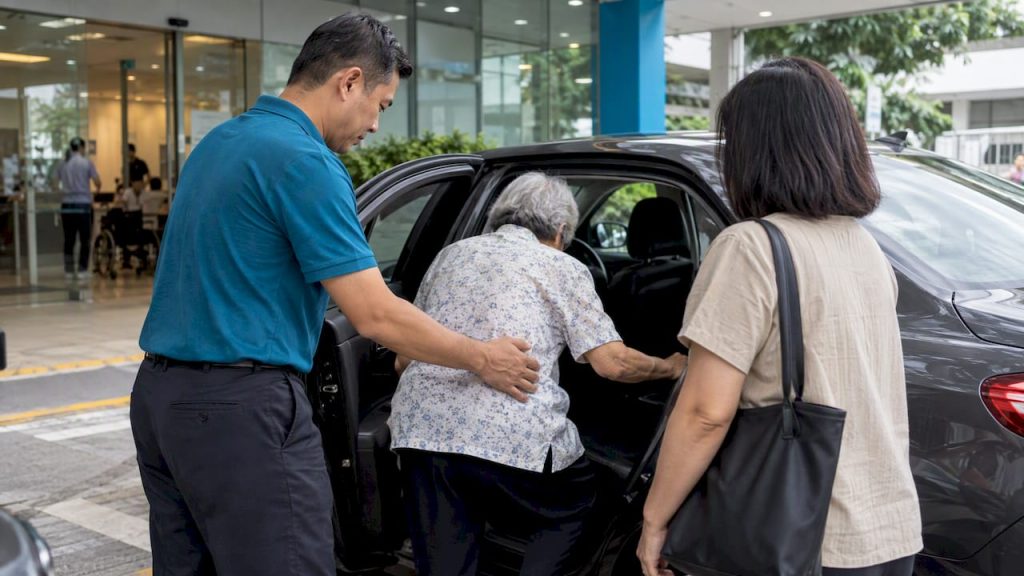
For corporate travellers, groups, or anyone hauling luggage across the border, a booked transfer sidesteps the entire calculation. Klertransport runs cross-border transfers with drivers who track real-time conditions, handle paperwork, and choose the crossing for you. That’s worth real money on tight-schedule corporate trips or family groups where nobody wants to be the one squinting at a traffic camera app at 6am.
How have Woodlands and Tuas checkpoints evolved over the years?
Woodlands Checkpoint has operated as Singapore’s primary land crossing since long before Tuas existed, handling the bulk of Causeway traffic for decades and absorbing steady upgrades to counter capacity as commuter volumes grew. It remains listed by ICA as one of two official road checkpoints, alongside Tuas, both running around the clock.
Tuas Checkpoint opened specifically to relieve pressure on Woodlands and the Causeway, giving Singapore a second physical link to Malaysia via the western Second Link crossing. Its more recent build meant planners could design wider lanes and a more generous layout from the outset, rather than retrofitting an older facility.
Recent years have brought targeted upgrades to Tuas, including additional automated immigration lanes that speed up processing for registered frequent travellers and reduce dependence on staffed counters during quieter periods. These lane additions, documented by local travel guides, have shifted some traffic patterns, particularly during weekday mornings when automated processing absorbs volume that would once have queued at manual counters.
Woodlands, meanwhile, has seen its role evolve alongside upcoming regional transport projects. The Rapid Transit System link connecting Woodlands to Johor Bahru is set to change how non-drivers cross entirely, reducing reliance on buses for a meaningful share of passenger traffic once operational. Neither checkpoint has stood still, and the gap between them keeps narrowing on some measures while widening on others, like the automated-lane advantage Tuas currently holds.
Why does one checkpoint sometimes process traffic faster than the other?
Processing speed depends less on which checkpoint you choose and more on how many counters are open on both sides at the moment you arrive. Singapore’s side runs consistently at both crossings, staffed and automated lanes operating in parallel, but Malaysia’s immigration counters don’t always mirror that consistency.
It’s a quirk worth understanding: Malaysian counters sometimes open fewer lanes at Tuas than at Woodlands during certain windows, creating a mismatch between how long the visible queue looks and how quickly it actually moves. A short-looking queue at Tuas can crawl if only two counters are staffed, while a longer queue at Woodlands can clear briskly if six lanes are running. This is precisely why checking a single camera image tells you far less than watching a trend over ten or fifteen minutes.
Automated lanes add another layer. Frequent travellers enrolled in automated clearance schemes move through noticeably faster at both checkpoints, but Tuas’s newer automated-lane rollout has, at times, given it an edge during off-peak hours when fewer staffed counters are needed. Security screening itself doesn’t differ meaningfully between the two, both follow standard ICA procedures, but the combination of lane count, staffing decisions, and automation uptake creates real variation in how fast you’ll actually get through, even on the same day of the week.
What transport and parking options exist near each checkpoint?
Woodlands sits within a well-connected corner of Singapore. Multiple bus services converge near the checkpoint, the Woodlands MRT and bus interchange sit a short distance away, and drivers dropping off passengers before crossing on foot have reasonable short-term parking nearby. This connectivity is part of why Woodlands remains the sensible pick for anyone travelling without a car, since onward options on the Singapore side are almost as strong as those waiting in JB.

Tuas offers a starkly different picture. It sits in a more industrial, less residential part of western Singapore, with limited public bus connections and essentially no walk-in passenger infrastructure comparable to Woodlands. Parking options near Tuas exist but cater mostly to drivers passing through rather than passengers being dropped off, reflecting its design purpose as a vehicle-focused relief route rather than a multi-modal hub.
This connectivity gap matters more than most guides admit. If your journey involves any leg on foot, by taxi, or by ride-hail before or after the crossing, Woodlands’ surrounding infrastructure removes friction that Tuas simply doesn’t have. Drivers doing a straight car-to-car journey won’t notice the difference, but anyone mixing transport modes, meeting a driver on the Malaysian side, say, will find Woodlands considerably easier to coordinate around. Kler Transport’s chauffeured pickups account for this directly, matching pickup points to whichever checkpoint suits the traveller’s actual route rather than defaulting to habit.
What actually decides the choice between these two checkpoints?
Most guides treat this as a simple traffic question. It isn’t. The real decision sits at the intersection of where you’re going in Malaysia, whether you’re carrying passengers who need public transport on the other side, and how much a saved 20 minutes is worth against a higher toll. Drivers heading to Melaka or KL who default to Woodlands out of habit are usually leaving time on the table. My honest local tip: build a habit of glancing at the trend chart, not the live snapshot, before every single crossing. It takes ten seconds and it’s saved me from queuing behind a factory shuttle surge more than once.
— Gurdip
Let Klertransport handle the crossing decision for you
Klertransport is the practical alternative to weighing Woodlands against Tuas yourself every time you cross, particularly for corporate travellers, groups, and anyone juggling luggage or a tight schedule. Rather than checking cameras and calculating toll trade-offs, you book a chauffeured transfer and the driver picks the faster route on the day, whether that means Tuas for a Melaka run or Woodlands for a quick JB Sentral trip.

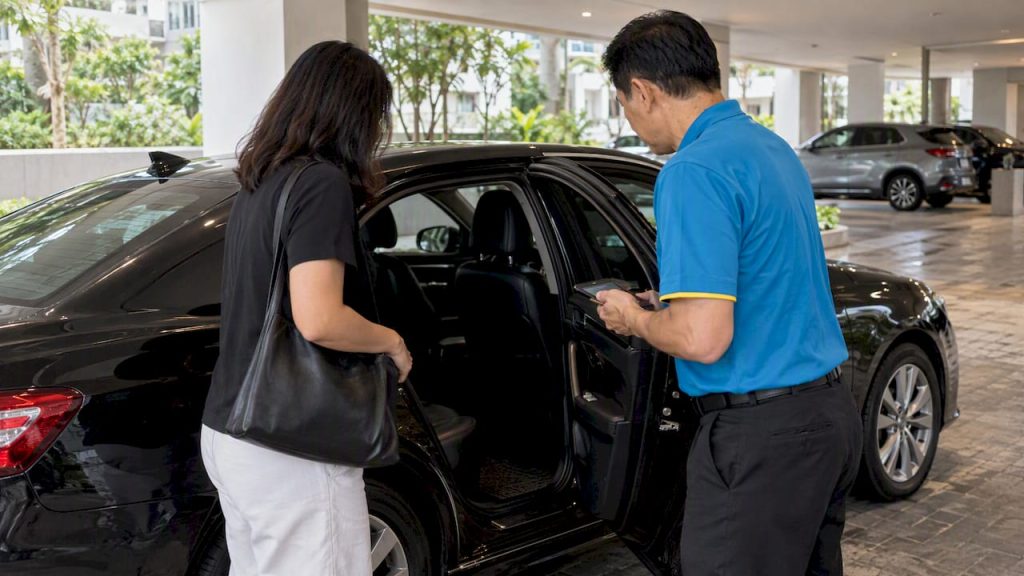
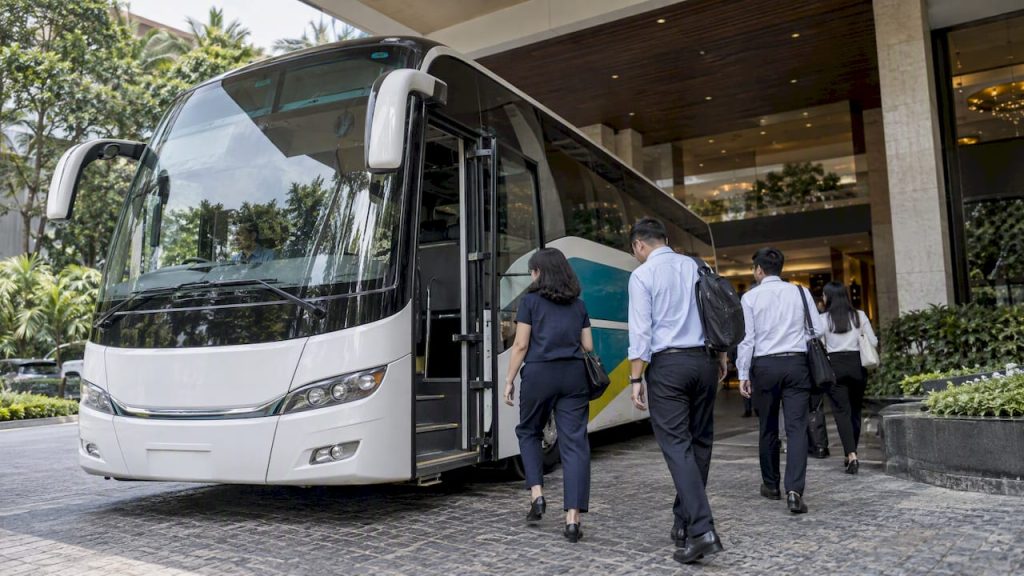
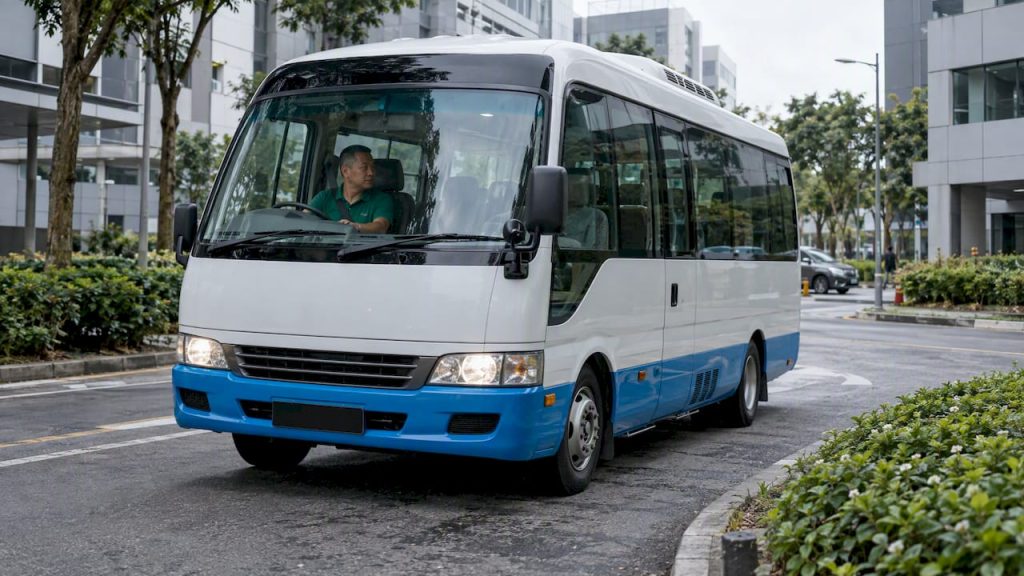
The fleet covers everything from sedans for solo business trips to minibuses and coaches for larger groups, with drivers experienced in cross-border paperwork and punctual pickups built into every booking. If your next Malaysia trip involves a deadline, a group, or simply zero patience for checkpoint guesswork, get a quote through Klertransport’s booking page and let someone else make the call.
Sources
Check ICA’s checkpoints page for official addresses and operating hours, and OneMotoring’s traffic cameras for live Woodlands and Tuas views. Treat a single camera image as a snapshot only, and use trend-based traffic guidance to see whether queues are building or clearing before you commit to a route.
- Immigration & Checkpoints Authority — Our checkpoints
- Causewaytraffic
- The Motorist Guide to choosing between Woodlands and Tuas checkpoints